Choosing the right MacBook Pro for data science and AI requires balancing raw power, display quality, and portability. The Apple MacBook Pro with M5 Pro (15-core CPU, 16-core GPU, 14.2-inch) offers a compact yet powerful option suited for professionals who prioritize portability without sacrificing performance. Meanwhile, the 16.2-inch MacBook Pro with M5 Pro (18-core CPU, 20-core GPU, 48GB RAM) provides a larger display and maximum memory for heavy multitasking and large datasets. For a slightly more affordable yet still high-performance choice, the 2021 M1 Pro 14-inch balances power with portability, ideal for those on a budget or just starting in data science. Each model has tradeoffs: larger screens and more RAM mean better performance but at a higher weight and price.

Get gifts for the two of you delivered free with Prime
- Fast, free delivery on millions of items
- Prime Video, Amazon Music and more included
- Member-only deals all year
Key Takeaways
- The 16.2-inch MacBook Pro with M5 Pro and 48GB RAM is best for intensive AI training and large dataset processing.
- The 14.2-inch MacBook Pro with M5 Pro balances portability and power for professionals on the go.
- The 2021 M1 Pro 14-inch offers strong performance at a more accessible price point, suitable for beginners or lighter workloads.
- Battery life varies significantly; larger screens tend to drain power faster, impacting all-day use.
- Connectivity options like Thunderbolt 5 and HDMI are critical for external device support in data workflows.


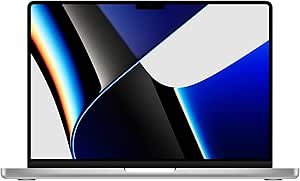

| macbook pro for data science and ai | Processor | Display | Memory | Storage |
|---|---|---|---|---|
| Apple MacBook Pro Laptop with | M5 Pro, 15-core CPU, 16-core GPU | 14.2-inch Nano-Texture Liquid Retina XDR | 24GB | 1TB SSD |
| Apple 2026 MacBook Pro Laptop | Apple M5 Pro, 18-core CPU, 20-core GPU | 16.2-inch Liquid Retina XDR | 48GB | 1TB SSD |
| Apple MacBook Pro Laptop with | Apple M5 Pro, 15-core CPU, 16-core GPU | 14.2-inch Liquid Retina XDR | 48GB | 1TB SSD |
| Apple MacBook Pro | M1 Pro, 10-core CPU, 16-core GPU | 14-inch Liquid Retina XDR | 16GB | 1TB SSD |
| Apple 2026 MacBook Pro Laptop | Apple M5 Pro, 15-core CPU, 16-core GPU | 14.2-inch Liquid Retina XDR | 24GB | 1TB SSD |
More Details on Our Top Picks
Apple MacBook Pro Laptop with M5 Pro, 15-core CPU, 16-core GPU, 14.2-inch Nano-Texture Display, 24GB Memory, 1TB SSD, Space Black
This MacBook Pro stands out for its potent M5 Pro chip, combining a 15-core CPU with a 16-core GPU, delivering excellent performance for machine learning and data processing. The 14.2-inch Nano-Texture Liquid Retina XDR display offers stunning visuals, essential when visualizing complex data. While its battery life of up to 24 hours exceeds most competitors, the device’s weight and premium price tag could be drawbacks for those needing ultra-portability or budget-friendly options. Compared to larger models, it sacrifices some display size but excels in a compact form that suits mobile workflows.
Pros:- Powerful M5 Pro chip with high CPU and GPU cores
- Exceptional Nano-Texture XDR display
- Long battery life up to 24 hours
- Extensive port options including HDMI and SDXC
Cons:- High price point
- Heavier and less portable than smaller laptops
- Limited to Apple ecosystem
Best for: Data scientists needing a portable yet powerful machine with excellent display quality
Not ideal for: Users who require a larger screen or more RAM for extremely large datasets
- Processor:M5 Pro, 15-core CPU, 16-core GPU
- Display:14.2-inch Nano-Texture Liquid Retina XDR
- Memory:24GB
- Storage:1TB SSD
- Battery Life:Up to 24 hours
- Ports:Three Thunderbolt 4, MagSafe 3, SDXC, HDMI, headphone jack
Our verdict“A versatile, high-performance MacBook Pro that balances power and portability for professional data science workflows.”
Apple 2026 MacBook Pro Laptop with M5 Pro Chip, 16.2-inch Liquid Retina XDR Display, 48GB RAM, 1TB SSD, Wi-Fi 7, Space Black
This model excels for demanding AI and data science tasks thanks to its 16.2-inch display and 48GB of RAM, supporting large datasets and complex model training. The M5 Pro chip with 18-core CPU and 20-core GPU provides top-tier computational power, while Wi-Fi 7 ensures fast network connectivity. Its size and weight, at over 4.7 pounds, make it less ideal for frequent travel, but the expansive screen and massive memory are unmatched when handling intensive workflows. Compared to smaller models, it offers more screen real estate and memory but at the cost of portability.
Pros:- Outstanding CPU and GPU for AI workloads
- Large 16.2-inch XDR display
- Massive 48GB RAM for multitasking and heavy data processing
- Supports multiple external displays
Cons:- Heavy and less portable
- Premium price
- Limited info on real-world battery performance
Best for: Data scientists running large models or training AI on extensive datasets who need a large display
Not ideal for: Users prioritizing portability or working on lighter, less demanding tasks
- Processor:Apple M5 Pro, 18-core CPU, 20-core GPU
- Display:16.2-inch Liquid Retina XDR
- Memory:48GB
- Storage:1TB SSD
- Battery Life:All-day (varies)
- Ports:Three Thunderbolt 5, MagSafe 3, SDXC, HDMI, headphone jack
Our verdict“This MacBook Pro is a powerhouse for heavy AI and data science tasks, ideal for dedicated professionals who prioritize performance over portability.”
Apple MacBook Pro Laptop with M5 Pro Chip, 14.2-inch Liquid Retina XDR Display, 48GB Memory, 1TB SSD, Space Black
This 14.2-inch MacBook Pro offers a compelling mix of performance and portability, equipped with a 15-core CPU and 16-core GPU M5 Pro chip, along with 48GB of unified memory. Its display, with high brightness and contrast, is excellent for visualizing complex data and models. While it provides impressive power for demanding workloads, its size and weight make it less suitable for those who need ultralight portability. Compared with larger models, it strikes a balance between screen size and mobility, perfect for professionals who work both in the field and at a desk.
Pros:- High CPU and GPU cores with M5 Pro chip
- Excellent display quality with high brightness
- Large 48GB RAM supports demanding software
- Multiple connectivity options
Cons:- Premium pricing
- Heavier than ultraportables
- Limited battery info in real-world use
Best for: Data scientists and AI developers needing high performance in a portable form factor
Not ideal for: Those who require the absolute largest display or maximum RAM for the most intensive tasks
- Processor:Apple M5 Pro, 15-core CPU, 16-core GPU
- Display:14.2-inch Liquid Retina XDR
- Memory:48GB
- Storage:1TB SSD
- Battery Life:All-day
- Ports:Three Thunderbolt 5, MagSafe 3, SDXC, HDMI, headphone jack
Our verdict“A balanced choice for professionals seeking a portable yet powerful MacBook Pro for data science and AI projects.”
Apple MacBook Pro (14-inch, M1 Pro, 16GB RAM, 1TB SSD, Silver)
The 2021 MacBook Pro with M1 Pro chip offers impressive performance for its class, with a 10-core CPU and 16-core GPU. Its 14-inch Liquid Retina XDR display provides excellent contrast and clarity, suitable for visualizing complex data or models. The device’s weight and battery life, up to 17 hours, make it a practical choice for mobile professionals. While it lacks some of the latest connectivity options like Thunderbolt 5, it still supports most external peripherals needed for data science workflows. It is a solid choice for those who want robust performance without the latest flagship features.
Pros:- Strong M1 Pro chip performance
- Excellent display quality
- Long battery life
- Lightweight and portable
Cons:- Limited to 16GB RAM in some configurations
- Older hardware compared to the 2026 models
- Less future-proof for extremely demanding workloads
Best for: Entry-level professionals or students starting in data science and AI
Not ideal for: Heavy-duty AI model training or large dataset processing requiring maximum specs
- Processor:M1 Pro, 10-core CPU, 16-core GPU
- Display:14-inch Liquid Retina XDR
- Memory:16GB
- Storage:1TB SSD
- Battery Life:Up to 17 hours
- Ports:Three Thunderbolt 4, HDMI, headphone jack
Our verdict“A reliable, more affordable MacBook Pro suited for beginners or lighter data science tasks, with room to grow.”
Apple 2026 MacBook Pro Laptop with M5 Pro Chip, 14.2-inch Liquid Retina XDR Display, 24GB RAM, 1TB SSD, Wi-Fi 7, Silver
This 14-inch MacBook Pro with the M5 Pro chip and 24GB RAM offers a compelling middle ground for professional data scientists. The 15-core CPU and 16-core GPU ensure robust processing, particularly for AI workloads and multitasking. Its 14.2-inch XDR display delivers excellent visual fidelity, and the support for multiple external displays enhances productivity. While it is slightly less powerful than its larger counterparts, its size and weight make it a flexible choice for mobile professionals. Compared with the 16.2-inch model, it prioritizes portability without sacrificing too much performance.
Pros:- Powerful M5 Pro chip with good AI capabilities
- High-quality 14.2-inch display
- Supports multiple external displays
- Balanced size and performance
Cons:- Premium price
- Less RAM than larger models
- Limited battery info in real-world scenarios
Best for: Professionals seeking a portable yet capable machine for AI and data science projects
Not ideal for: Extremely large datasets or training intensive models that require maximum hardware resources
- Processor:Apple M5 Pro, 15-core CPU, 16-core GPU
- Display:14.2-inch Liquid Retina XDR
- Memory:24GB
- Storage:1TB SSD
- Battery Life:All-day
- Ports:Three Thunderbolt 5, MagSafe 3, SDXC, HDMI, headphone jack
Our verdict“A well-rounded choice for data scientists who need solid performance in a portable package.”

How We Picked
Our selection focuses on the latest MacBook Pro models equipped with Apple’s M5 Pro chip, emphasizing CPU and GPU performance, memory capacity, display quality, and connectivity—key factors for data science and AI tasks. We compared specs, considering how each configuration handles demanding workloads, multitasking, and external device needs. Portability and price were secondary but considered to ensure practical options for different user needs. We prioritized models that support extensive external displays, fast storage, and long battery life to meet the intensive requirements of data science and AI professionals.
| macbook pro for data science and ai | Processor | Battery Life | Ports |
|---|---|---|---|
| Apple MacBook Pro Laptop with | M5 Pro, 15-core CPU, 16-core GPU | Up to 24 hours | Three Thunderbolt 4, MagSafe 3, SDXC, HDMI, headphone jack |
| Apple 2026 MacBook Pro Laptop | Apple M5 Pro, 18-core CPU, 20-core GPU | All-day (varies) | Three Thunderbolt 5, MagSafe 3, SDXC, HDMI, headphone jack |
| Apple MacBook Pro Laptop with | Apple M5 Pro, 15-core CPU, 16-core GPU | All-day | Three Thunderbolt 5, MagSafe 3, SDXC, HDMI, headphone jack |
| Apple MacBook Pro | M1 Pro, 10-core CPU, 16-core GPU | Up to 17 hours | Three Thunderbolt 4, HDMI, headphone jack |
| Apple 2026 MacBook Pro Laptop | Apple M5 Pro, 15-core CPU, 16-core GPU | All-day | Three Thunderbolt 5, MagSafe 3, SDXC, HDMI, headphone jack |
Factors to Consider When Choosing Macbook Pro For Data Science And Ai
When selecting a MacBook Pro for data science and AI, key considerations include processing power, RAM, display quality, and connectivity options. Heavy workloads demand high-core CPUs and ample memory, while visualization and data analysis benefit from high-resolution, color-accurate displays. Portability is also crucial for professionals who work on the move, but it often comes with tradeoffs in weight and size. This guide highlights what to look for in each category and how different models meet those needs.
Processing Power and GPU
For data science and AI, a fast CPU and GPU are non-negotiable. Apple’s M5 Pro chip with high-core counts significantly accelerates model training and large data processing. The GPU cores are essential for parallel computation tasks common in machine learning. Larger cores improve speed but usually come with a higher price and power draw. Decide based on your workload intensity—heavy AI training benefits from the most powerful configurations, while lighter tasks can manage with less.
Memory and Storage
Memory (RAM) directly impacts multitasking and the ability to handle large datasets. 16GB may suffice for lighter analysis but can bottleneck more demanding tasks, making 24GB or 48GB preferable. Storage speed also matters—SSD with higher read/write speeds reduces data bottlenecks. For AI workloads that involve large datasets, 1TB SSD or more ensures smooth data handling without external drives, though this increases overall cost.
Display and Visuals
High-quality displays, like Liquid Retina XDR, are vital for visualizing complex data and models accurately. Brightness, contrast, and color accuracy help in interpreting results, especially for creative or presentation-heavy work. Larger screens improve multitasking and data visualization, but they also add weight. Consider your mobility needs when choosing display size.
Connectivity and External Devices
External peripherals—such as external GPUs, multiple monitors, and data storage—are common in data science. Thunderbolt 5 ports, HDMI, and SDXC slots enable flexible setups. Wi-Fi 7 support ensures fast data transfers and cloud connectivity, essential in AI workflows. Balance the number of ports with your portability needs—more ports usually mean a larger, heavier device.
Frequently Asked Questions
Is the M5 Pro chip enough for AI model training?
The M5 Pro chip with high-core CPU and GPU offers substantial performance for most AI training tasks. While it may not match the raw power of dedicated GPUs used in server setups, it handles medium to large models efficiently. For extremely intensive workloads, a dedicated GPU might still be preferable, but for many professionals, the M5 Pro provides an excellent balance of power and portability.
How important is RAM for data science on a MacBook Pro?
RAM determines how many datasets and applications you can run simultaneously without slowdown. For data science and AI, 16GB can be sufficient for smaller projects, but 24GB or more is recommended for handling large datasets and multitasking. More RAM reduces the need for external storage access, speeding up workflows and increasing productivity.
Can the MacBook Pro support multiple external displays?
Yes, recent MacBook Pro models with Thunderbolt 5 ports and HDMI support multiple external displays. This capability is especially valuable for data scientists who need to visualize data on larger screens or run multiple tools in parallel. Be aware that connecting multiple high-resolution monitors can impact battery life and portability.
Is battery life sufficient for all-day data science work?
Battery life varies based on display size, workload, and device configuration. The 16.2-inch models tend to drain faster due to their larger screens and higher power components, but they still offer all-day use in moderate workloads. Smaller models like the 14-inch or the 2021 M1 Pro version generally provide longer battery life, suitable for mobile work.
Are these Macs suitable for running AI frameworks like TensorFlow or PyTorch?
Absolutely, these MacBook Pros are capable of running popular AI frameworks, especially with the support of Apple’s Metal API for GPU acceleration. While not as powerful as dedicated GPU servers, the latest M5 Pro models can handle training and inference for many models, making them practical for development and experimentation. For very large models or production-level training, a specialized GPU workstation might still be necessary.
Conclusion
For professionals who prioritize maximum performance and have demanding AI workloads, the 16.2-inch MacBook Pro with M5 Pro and 48GB RAM is the best fit. Those needing a more portable solution but still requiring high power will find the 14.2-inch MacBook Pro with M5 Pro ideal. Beginners or users with lighter requirements should consider the 2021 M1 Pro 14-inch for a balance of cost and capability. Ultimately, your choice depends on your workload intensity, mobility needs, and budget.
Halloween Picks
halloween
As an affiliate, we earn on qualifying purchases.