

Not all relationship advice books are built on the same foundation. Some, like The Seven Principles for Making Marriage Work, come from decades of clinical research, while others, like The 5 Love Languages, lean on accessible frameworks that are easy to apply but lighter on science. My top overall pick is Attached, because attachment theory explains the why behind relationship patterns better than any other book in this lineup, though couples in crisis will get faster results from Love More, Fight Less. The main tradeoff you face is between research depth and readability: the most rigorous books demand more effort, while the punchiest ones can feel superficial. Read on for the full breakdown of all twelve.

Get gifts for the two of you delivered free with Prime
- Fast, free delivery on millions of items
- Prime Video, Amazon Music and more included
- Member-only deals all year
Key Takeaways
- Research-backed books (Seven Principles, Attached, The Relationship Cure) consistently offered more durable frameworks than opinion-driven titles like Act Like a Lady, Think Like a Man or Why Men Love Bitches.
- The 5 Love Languages remains the easiest entry point but is a starting framework, not a complete solution — couples with recurring conflict need the communication tools in Love More, Fight Less.
- Several titles target dating and mate selection (Attached, Act Like a Lady, Why Men Love Bitches) while others assume an established partnership — buying the wrong type is the most common mistake in this category.
- Gendered, prescriptive books (His Needs Her Needs, Harvey’s and Argov’s titles) polarize readers sharply; they work best when you already agree with their worldview.
- Workbook-style formats (Love More, Fight Less, Secure Love) demand active participation but produced clearer action plans than purely narrative books.
| Act Like a Lady, Think Like a Man, Expanded Edition |  | Best for Understanding the Male Perspective | Format: Paperback, Expanded Edition | Primary Audience: Women seeking insight into men’s relationship behavior | Approach: Direct advice with humor and real-world anecdotes | VIEW LATEST PRICE | See Our Full Breakdown |
| The Seven Principles for Making Marriage Work |  | Best Overall for Married Couples | Format: Paperback | Primary Audience: Married and long-term committed couples | Approach: Research-based principles with couple exercises | VIEW LATEST PRICE | See Our Full Breakdown |
| His Needs, Her Needs: Making Romantic Love Last |  | Best for Long-Married Couples | Format: Paperback | Primary Audience: Long-married couples | Approach: Framework of ten emotional needs with practical guidance | VIEW LATEST PRICE | See Our Full Breakdown |
| Why Men Love Bitches: From Doormat to Dreamgirl |  | Best for Rebuilding Self-Respect | Format: Paperback | Primary Audience: Women navigating dating and early relationships | Approach: Confidence and boundary-setting advice through a relationship lens | VIEW LATEST PRICE | See Our Full Breakdown |
| Getting the Love You Want: A Guide for Couples, Third Edition |  | Best for Deep Therapeutic Work | Format: Paperback, Third Edition | Primary Audience: Couples in recurring conflict seeking deeper transformation | Approach: Imago therapy-based with couple exercises | VIEW LATEST PRICE | See Our Full Breakdown |
| Love More, Fight Less: Communication Skills Every Couple Needs | 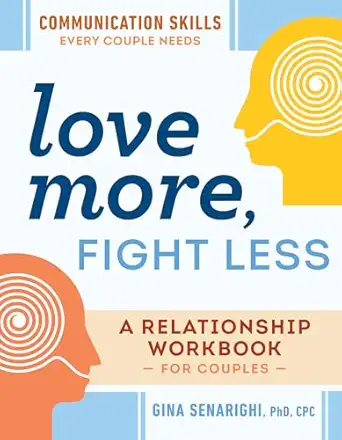 | Best Workbook for Couples | Format: Print/digital relationship workbook | Primary Focus: Communication skills and conflict resolution | Audience: Couples | VIEW LATEST PRICE | See Our Full Breakdown |
| Secure Love: Create a Relationship That Lasts a Lifetime |  | Best for Building Long-Term Trust | Format: Print/digital advice book | Primary Focus: Trust, emotional connection, lasting commitment | Audience: Committed couples | VIEW LATEST PRICE | See Our Full Breakdown |
| The 5 Love Languages®: The Secret to Love That Lasts |  | Best Classic for Everyday Understanding | Format: Print/digital/audiobook | Primary Focus: Understanding and expressing love styles | Audience: Couples and individuals | VIEW LATEST PRICE | See Our Full Breakdown |
| Attached: The New Science of Adult Attachment and How It Can Help You Find—and Keep—Love | 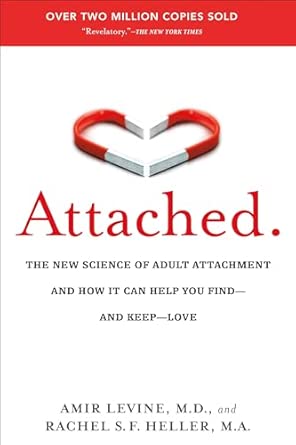 | Best Science-Backed Deep Dive | Format: Print/digital/audiobook | Primary Focus: Adult attachment styles and partner dynamics | Audience: Singles and couples seeking self-understanding | VIEW LATEST PRICE | See Our Full Breakdown |
| The Relationship Handbook: A Simple Guide to Satisfying Relationships – Anniversary Edition |  | Best Beginner-Friendly Overview | Format: Print/digital handbook | Primary Focus: General relationship satisfaction | Audience: Singles and couples, beginner level | VIEW LATEST PRICE | See Our Full Breakdown |
| The Relationship Cure: A 5 Step Guide to Strengthening Your Marriage, Family, and Friendships |  | Best for All Relationship Types | Format: Paperback | Author: John Gottman | Approach: Practical 5-step program | VIEW LATEST PRICE | See Our Full Breakdown |
| Love Unfu*ked: Getting Your Relationship Sh*t Together (Unfu*k Yourself Series, 5) |  | Best No-Nonsense Quick Read | Format: Paperback | Author: Gary John Bishop | Series: Unfu*k Yourself series, Book 5 | VIEW LATEST PRICE | See Our Full Breakdown |
| relationship advice book | Format | Approach |
|---|---|---|
| Act Like a Lady | Paperback, Expanded Edition | Direct advice with humor and real-world anecdotes |
| The Seven Principles for Makin | Paperback | Research-based principles with couple exercises |
| His Needs | Paperback | Framework of ten emotional needs with practical guidance |
| Why Men Love Bitches: From Doo | Paperback | Confidence and boundary-setting advice through a relationship lens |
| Getting the Love You Want: A G | Paperback, Third Edition | Imago therapy-based with couple exercises |
| Love More | Print/digital relationship workbook | Practical and interactive |
| Secure Love: Create a Relation | Print/digital advice book | Coaching-oriented guidance |
| The 5 Love Languages®: The Sec | Print/digital/audiobook | Framework-based, one core model |
| Attached: The New Science of A | Print/digital/audiobook | Psychology and attachment science |
| The Relationship Handbook: A S | Print/digital handbook | Practical principles, non-academic |
| The Relationship Cure: A 5 Ste | Paperback | Practical 5-step program |
| Love Unfu*ked: Getting Your Re | Paperback | Direct, no-nonsense self-help |
More Details on Our Top Picks
Act Like a Lady, Think Like a Man, Expanded Edition
Where most books on this list work from the inside out—teaching couples to examine their own habits—this one works from the outside in, decoding how men think about love, intimacy, and commitment. That framing is its biggest strength and its biggest limitation. Compared with The 5 Love Languages, which focuses on mutual understanding, this book leans on generalizations about male psychology that some readers will find illuminating and others will find reductive. The expanded edition adds material that deepens the original’s advice on commitment, which makes it a better entry point than the standard version. It reads quickly, with a conversational, humorous tone closer to Why Men Love Bitches than to clinical picks like Getting the Love You Want. This pick makes the most sense for women who want a direct, no-jargon explanation of male relationship behavior rather than a couples workbook.
Pros:- Candid, jargon-free insight into male perspectives on commitment
- Conversational tone that makes it easy to finish quickly
- Expanded edition adds deeper material on long-term commitment
- Widely read, so it’s easy to discuss with friends
Cons:- Relies on broad generalizations that can oversimplify individual partners
- Heteronormative framing limits its usefulness for many readers
Best for: Women early in dating or frustrated by mixed signals who want a candid, entertaining breakdown of how men approach commitment
Not ideal for: Couples doing structured repair work together — it’s written for women individually, not as a shared tool like His Needs, Her Needs
- Format:Paperback, Expanded Edition
- Primary Audience:Women seeking insight into men’s relationship behavior
- Approach:Direct advice with humor and real-world anecdotes
- Core Topics:Love, relationships, intimacy, commitment
- Reading Style:Conversational, standalone chapters
- Best Use:Individual reading, dating and early-relationship stages
- Companion Suitability:Low — designed for solo reading
Our verdict“A fast, entertaining read for women who want male-perspective decoding, not a shared workbook for couples in crisis.”
The Seven Principles for Making Marriage Work
This is the most evidence-backed book in this batch, built on decades of observational research into what actually keeps marriages together—or tears them apart. That research foundation is what separates it from advice-driven titles like Act Like a Lady, Think Like a Man, which rely on personal perspective rather than data. Each of the seven principles comes with exercises couples can do together, giving it more practical structure than His Needs, Her Needs, whose framework is descriptive rather than prescriptive. The tradeoff: it’s marriage-specific and somewhat clinical in tone. Readers wanting warmth and humor should look at the Gottmans’ other work or lighter picks like Love Unfu*ked. Compared with Getting the Love You Want, it demands more active participation—this is homework, not passive reading. For committed couples willing to do the exercises, this option stands out as the most reliable path to measurable change.
Pros:- Grounded in decades of clinical research rather than opinion
- Concrete exercises after each principle, not just theory
- Identifies specific destructive patterns couples can learn to spot
- Written by a widely recognized authority on marriage
Cons:- Clinical tone can feel like therapy homework rather than inspiration
- Marriage-focused scope excludes dating and non-married readers
Best for: Married or long-committed couples willing to do structured exercises together to repair or strengthen their relationship
Not ideal for: Newly dating readers — the content assumes a established partnership and skips early-stage dynamics entirely
- Format:Paperback
- Primary Audience:Married and long-term committed couples
- Approach:Research-based principles with couple exercises
- Author Credentials:Leading relationship researcher and clinician
- Core Topics:Marriage repair, conflict management, friendship, shared meaning
- Reading Style:Structured, exercise-driven chapters
- Best Use:Couples working through the book together
- Companion Suitability:High — built for joint use
Our verdict“The most research-validated choice here, ideal for committed couples who will actually do the exercises.”
His Needs, Her Needs: Making Romantic Love Last
Its central idea—ten emotional needs, ranked differently by each partner—gives long-married couples a vocabulary that The Seven Principles for Making Marriage Work doesn’t directly offer. Rather than diagnosing conflict patterns, it asks a simpler question: which needs matter most to each of you, and are they being met? That makes it less intimidating than research-heavy alternatives and better suited to couples whose problem is drifting apart rather than fighting. Compared with Getting the Love You Want, the framework is easier to grasp in a single sitting, though it sacrifices psychological depth. The traditional framing around gender-typical needs hasn’t aged evenly, and couples outside conventional roles may need to adapt the material. Still, for partners who’ve been together long enough to stop asking each other what they need, this book supplies a structured way back into that conversation. It’s maintenance work, not crisis intervention.
Pros:- Simple, memorable ten-needs framework couples can discuss immediately
- Specifically addresses romantic love fading in long marriages
- Encourages honest needs-ranking conversations between partners
- Accessible to readers with no therapy background
Cons:- Traditional gender assumptions may not fit all modern couples
- Framework feels dated compared to attachment-based approaches like Attached
Best for: Long-married couples experiencing slow emotional drift who want a simple shared framework to restart intimacy
Not ideal for: Couples in acute conflict or readers wanting scientific grounding — the framework is practical, not research-derived
- Format:Paperback
- Primary Audience:Long-married couples
- Approach:Framework of ten emotional needs with practical guidance
- Core Topics:Emotional needs, romantic love, affair prevention, long-term satisfaction
- Reading Style:Concept-led with couple discussion prompts
- Best Use:Maintaining and rebuilding affection in stable marriages
- Companion Suitability:High — designed for both partners to read
- Depth:Practical rather than clinical
Our verdict“Best chosen by stable, long-term couples who’ve lost romantic spark and want a low-effort way to talk about it.”
Why Men Love Bitches: From Doormat to Dreamgirl
Despite the provocative title, the word bitches here means self-respect, and the book’s real subject is teaching women to stop over-giving in relationships. It shares the male-decoding mission of Act Like a Lady, Think Like a Man but flips the lens: instead of explaining men so you can adapt, it explains men so you can hold your ground. That makes it closer to a confidence manual than a relationship guide, which is both its appeal and its limitation. The blunt, occasionally sarcastic tone lands as empowering for some readers and needlessly adversarial for others—particularly anyone seeking the kind of mutual-repair framework in The Seven Principles for Making Marriage Work. It’s also squarely aimed at dating dynamics rather than established partnerships. This pick makes the most sense for women exiting people-pleasing patterns; readers wanting warm, couple-centered work should look at Getting the Love You Want instead.
Pros:- Directly addresses over-giving and loss of self in relationships
- Empowering tone that resonates strongly with its target reader
- Practical boundary-setting tactics, not vague affirmations
- Highly popular with an enthusiastic readership
Cons:- Blunt, sarcastic tone will put off readers wanting a gentler voice
- Focused on dating dynamics; limited value for established marriages
Best for: Women recovering from people-pleasing patterns who need a blunt confidence reset before or during dating
Not ideal for: Readers in stable partnerships seeking collaborative growth — its adversarial dating framing doesn’t translate well
- Format:Paperback
- Primary Audience:Women navigating dating and early relationships
- Approach:Confidence and boundary-setting advice through a relationship lens
- Core Topics:Self-respect, boundaries, dating dynamics, mutual respect
- Reading Style:Blunt, humorous, list-heavy chapters
- Best Use:Individual reading for personal empowerment
- Companion Suitability:Low — written for solo female readers
- Tone:Provocative and direct
Our verdict“Choose this for a self-respect reboot in dating; skip it if you want collaborative couples work.”
Getting the Love You Want: A Guide for Couples, Third Edition
This is the most psychologically ambitious pick in the batch, drawing on Imago therapy to argue that we unconsciously pick partners who mirror our childhood wounds—and that healing happens through the relationship itself. That depth is what distinguishes it from His Needs, Her Needs, which stays at the practical surface, and from Why Men Love Bitches, which stays at the behavioral surface. The third edition updates the classic with newer material on attachment, making it a companion of sorts to Attached, though heavier on structured couple exercises. The tradeoff is real: readers who want quick fixes will find it more theoretical than actionable, and the childhood-focused analysis can feel intense for couples facing ordinary, everyday friction. Compared with The Seven Principles for Making Marriage Work, it asks more emotional labor but can produce deeper transformation for couples stuck in repeating patterns neither can explain.
Pros:- Addresses root causes of recurring conflict, not just symptoms
- Includes structured exercises couples complete together
- Updated third edition incorporates attachment research
- Deep enough to support genuine long-term transformation
Cons:- Heavy theoretical framing slows readers wanting immediate tactics
- Childhood-focused analysis can feel too intense for minor relationship friction
Best for: Couples trapped in repeating conflict patterns who are willing to examine childhood roots and do intensive emotional work
Not ideal for: Casual readers or couples wanting quick communication tips — the therapeutic depth demands real commitment
- Format:Paperback, Third Edition
- Primary Audience:Couples in recurring conflict seeking deeper transformation
- Approach:Imago therapy-based with couple exercises
- Core Topics:Childhood wounds, unconscious partner selection, communication, intimacy
- Edition Updates:New material on attachment and modern relationships
- Reading Style:Theoretical chapters alternating with exercises
- Best Use:Intentional couples work over weeks or months
- Companion Suitability:High — structured for both partners
Our verdict“The deepest therapeutic option here, for couples ready to excavate why they keep hurting each other.”
Love More, Fight Less: Communication Skills Every Couple Needs
Most relationship advice books tell you what to do — this one makes you actually do it. Love More, Fight Less is structured as a workbook, with communication exercises designed to be completed together rather than read passively. That sets it apart from something like Secure Love, which explains the psychology of lasting connection but leaves you to figure out the application on your own. Couples who argue in circles will get the most mileage here, because the exercises target conflict patterns directly instead of describing them abstractly. The tradeoff is real, though: this only works if both partners are willing to sit down and participate. If one half of the couple won’t pick up a pen, the book stalls fast, and readers wanting deep theory will find the conceptual grounding thinner than in Attached.
Pros:- Practical communication exercises rather than abstract theory
- Directly targets recurring conflict patterns
- Designed for couples to use together, building shared accountability
- Accessible language that doesn’t require psychology background
Cons:- Requires active engagement from both partners to be effective
- Light on deeper theory behind why communication breaks down
- Limited information about the depth and length of included materials
Best for: Couples who fight repeatedly over the same issues and want structured, hands-on exercises to practice together
Not ideal for: Couples where only one partner is willing to do the work — the workbook format collapses without joint participation
- Format:Print/digital relationship workbook
- Primary Focus:Communication skills and conflict resolution
- Audience:Couples
- Structure:Guided exercises and prompts
- Approach:Practical and interactive
- Best Used:Together with a partner over multiple sessions
Our verdict“Buy this if you and your partner are both willing to do homework — it’s the most action-oriented pick in the lineup.”
Secure Love: Create a Relationship That Lasts a Lifetime
Where Love More, Fight Less drills into day-to-day arguments, Secure Love zooms out to the bigger question: how do you build a bond that holds up over decades? Its focus on trust and emotional connection makes it a natural companion for couples in it for the long haul — think moving in together, engagement, or recovering from a trust breach. Compared with Attached, which covers similar emotional-security territory through an academic attachment-style lens, this option reads more like direct coaching and less like a psychology lecture. The drawback is that it’s less prescriptive than the workbooks in this roundup; readers who want step-by-step exercises or concrete scripts may finish it motivated but unsure what to do Monday morning. It also leans toward committed couples rather than people navigating early dating or serial breakups.
Pros:- Centers on trust and emotional connection, the foundation of long-term commitment
- Coaching-style tone that’s easier to absorb than academic alternatives
- Suited to major relationship milestones and long-horizon planning
- Complements conflict-focused books by addressing deeper security
Cons:- Fewer concrete exercises than workbook-style competitors
- Less useful for singles or people in early, undefined dating stages
- Limited documented detail on specific techniques and methods
Best for: Committed couples — engaged, cohabiting, or married — who want to strengthen trust for the long term
Not ideal for: Readers seeking step-by-step exercises or scripts — this is guidance-oriented, not workbook-driven
- Format:Print/digital advice book
- Primary Focus:Trust, emotional connection, lasting commitment
- Audience:Committed couples
- Structure:Advice and strategies, non-workbook
- Approach:Coaching-oriented guidance
- Best Used:During commitment milestones or trust-rebuilding phases
Our verdict“The right pick for couples thinking in years, not arguments — choose it when trust, not tactics, is the problem.”
The 5 Love Languages®: The Secret to Love That Lasts
Decades after publication, this remains the most widely recommended relationship book in the category, and for good reason: its single big idea — that people give and receive love in five distinct ways — is memorable enough to actually change behavior. Compared with The Relationship Handbook, which covers similar ground across broader topics, The 5 Love Languages goes narrow and deep on one framework, which is why it sticks. It’s also the easiest entry point in this roundup for a partner who never reads relationship books; the concept alone can be explained in five minutes at dinner. The flip side of that simplicity is repetition — many readers find the book pads a short idea across hundreds of pages — and it won’t help much with serious conflict or betrayal, where Love More, Fight Less is the better tool.
Pros:- One memorable framework that couples actually apply in daily life
- Extremely accessible for reluctant or non-reading partners
- Massively field-tested with decades of reader endorsement
- Gives couples a shared vocabulary for discussing needs
Cons:- One concept stretched across a full book — noticeably repetitive
- Doesn’t address deep conflict, resentment, or trust repair
- Framework can feel reductive for complex relationship dynamics
Best for: Couples wanting a simple, shared vocabulary for expressing affection — especially where one partner rarely reads this genre
Not ideal for: Couples dealing with serious conflict, infidelity, or communication breakdowns that need structured intervention
- Format:Print/digital/audiobook
- Primary Focus:Understanding and expressing love styles
- Audience:Couples and individuals
- Structure:Concept-driven with illustrative examples
- Approach:Framework-based, one core model
- Best Used:Early in a relationship or as a shared conversation starter
Our verdict“Start here if you want one simple idea you’ll both remember — but pair it with a workbook when real conflict is the issue.”
Attached: The New Science of Adult Attachment and How It Can Help You Find—and Keep—Love
For readers who want to understand why they keep ending up in the same relationship patterns, Attached is the intellectual heavyweight of this batch. Grounded in adult attachment theory, it explains how anxious, avoidant, and secure styles shape partner selection and conflict — a level of explanatory power that The 5 Love Languages doesn’t attempt. Compared with Secure Love, which offers warmer coaching on similar themes, Attached gives you the underlying research, making it the better choice for analytical readers who distrust advice without evidence. The tradeoff is tone and difficulty: it’s denser and more clinical than everything else here, and it’s really a book about understanding yourself first — it won’t hand you couples’ exercises the way Love More, Fight Less does. Some readers also find the anxious/avoidant framing a bit deterministic.
Pros:- Grounded in decades of attachment-science research
- Explains recurring partner-selection and conflict patterns with real clarity
- Equally valuable for singles and partnered readers
- Deeper explanatory power than framework or workbook alternatives
Cons:- Denser, more technical read than the rest of this lineup
- Self-focused rather than exercise-driven for couples
- Attachment-style categories can feel overly fixed to some readers
Best for: Analytical readers and self-aware singles who want research-based explanations for recurring relationship patterns
Not ideal for: Readers who want quick, actionable fixes — the theory-first approach delays practical payoff
- Format:Print/digital/audiobook
- Primary Focus:Adult attachment styles and partner dynamics
- Audience:Singles and couples seeking self-understanding
- Structure:Research-based explanatory chapters
- Approach:Psychology and attachment science
- Best Used:When breaking repeating dating or conflict patterns
Our verdict“Pick this if you want the ‘why’ behind your patterns before working on the ‘how’ — it’s the thinking reader’s choice.”
The Relationship Handbook: A Simple Guide to Satisfying Relationships – Anniversary Edition
This is the pick for someone who wants broad coverage without homework or theory. The Relationship Handbook walks through communication, intimacy, and connection in plain language, and unlike most entries here, it addresses singles as well as couples — a distinction that matters if you’re between relationships and trying not to repeat past mistakes. Where Attached explains patterns through research and Love More, Fight Less puts a pen in your hand, this book simply gives you digestible principles you can absorb in a weekend. That breadth is also its limitation: readers who’ve already worked through deeper books will find it too simple, and there’s little scientific sourcing to back its claims. Think of it as an on-ramp — a fine first book, but likely one you’ll outgrow.
Pros:- Covers communication, intimacy, and connection in one short volume
- Written for both singles and couples, unusual in this category
- Genuinely beginner-friendly with plain, jargon-free language
- Fast read that doesn’t demand workbook participation
Cons:- Too simplistic for readers with prior relationship-book experience
- Lacks the scientific references and research base of Attached
- Broad coverage means shallow treatment of any single issue
Best for: First-time readers of relationship advice — including singles — who want a quick, low-effort overview
Not ideal for: Experienced readers or couples in serious conflict who need depth, exercises, or clinical grounding
- Format:Print/digital handbook
- Primary Focus:General relationship satisfaction
- Audience:Singles and couples, beginner level
- Structure:Short actionable guidance chapters
- Approach:Practical principles, non-academic
- Edition:Anniversary Edition
- Best Used:As an entry point before deeper specialized titles
Our verdict“A sensible first purchase for newcomers — just plan to graduate to a deeper title once the basics land.”
The Relationship Cure: A 5 Step Guide to Strengthening Your Marriage, Family, and Friendships
Most books in this roundup narrow their lens to romantic partnership, but The Relationship Cure takes a wider view, applying its five-step framework to marriages, parent-child bonds, friendships, and workplace dynamics alike. That breadth is its defining strength: where The Seven Principles for Making Marriage Work digs deeper into marriage specifically, this option gives readers one portable toolkit they can use across every important relationship in their life. The emphasis on emotional connection and everyday communication makes the advice feel actionable rather than theoretical. The tradeoff is that breadth costs depth — couples in serious crisis may find it too general compared to Hendrix’s Getting the Love You Want. This pick makes the most sense for readers who want a single book that improves how they relate to everyone, not just a partner.
Pros:- Applies to relationships beyond romance — family, friends, and colleagues
- Clear, actionable five-step structure that’s easy to follow
- Strong focus on emotional connection and everyday communication
- Backed by decades of research on relationship dynamics
Cons:- Spreads attention across many relationship types, so marital issues get less depth
- Denser and more research-oriented than breezier picks like The 5 Love Languages
Best for: Readers who want one framework that works across marriages, family relationships, and friendships — not just romance
Not ideal for: Couples facing acute marital crisis who need the focused, marriage-specific depth of The Seven Principles
- Format:Paperback
- Author:John Gottman
- Approach:Practical 5-step program
- Relationship Scope:Marriage, family, and friendships
- Focus Areas:Communication, emotional connection, understanding
- Style:Research-informed self-help
Our verdict“Choose this if you want a single, versatile framework that strengthens every relationship in your life, not only your romantic one.”
Love Unfu*ked: Getting Your Relationship Sh*t Together (Unfu*k Yourself Series, 5)
Love Unfuked is the blunt cousin in this lineup. While The 5 Love Languages leans warm and structured, this entry delivers short, punchy, straight-talking guidance for readers who find traditional relationship books preachy or slow. Its main advantage over longer works like Attached is speed and accessibility — it’s built for people who want a kick in the right direction, not a research seminar. As part of the popular Unfuk Yourself series, it carries a recognizable, no-excuses voice that resonates with self-help fans. The tradeoffs are real, though: the profanity-laced tone will alienate plenty of readers, and it lacks the clinical depth and exercises found in Love More, Fight Less. Compared with similar options, this pick is better suited to motivation than deep repair.
Pros:- Extremely readable and short — easy to finish in a sitting or two
- Honest, no-nonsense tone that cuts through relationship excuses
- Part of a well-known series with a consistent motivational voice
- Good entry point for people who typically avoid therapy-style books
Cons:- Crude title and language style will turn off many readers
- Light on structured exercises and clinical depth compared to workbooks like Love More, Fight Less
Best for: Self-help readers who want a fast, brutally honest pep talk about fixing their romantic patterns
Not ideal for: Readers put off by explicit language in titles, or couples wanting structured exercises and therapeutic depth
- Format:Paperback
- Author:Gary John Bishop
- Series:Unfu*k Yourself series, Book 5
- Approach:Direct, no-nonsense self-help
- Relationship Scope:Romantic relationships
- Style:Short, conversational, blunt
Our verdict“Pick this if you want a quick, blunt motivational read on relationships; skip it if you need exercises, research, or a gentler tone.”

How We Picked
I evaluated each book against four buyer-relevant criteria. First, evidence base: books grounded in clinical research or established psychology (Gottman’s longitudinal studies, attachment science) scored higher than ones built on personal anecdote. Second, applicability: does the book give concrete exercises, scripts, or frameworks a reader can use this week, or does it mostly diagnose problems without solving them? Third, audience fit: I separated books for dating, new couples, and long-term marriages, because a great marriage book is a poor choice for someone single.
Fourth, I weighed readability and tone, since a book a couple abandens halfway through helps no one. Ranking prioritized books that combine scientific grounding with usable tools, which is why Seven Principles, Attached, and The Relationship Cure sit near the top. Books ranked lower aren’t necessarily bad — several, like Love Unfu*ked, serve narrower audiences exceptionally well within their niche.
Factors to Consider When Choosing Relationship Advice Books
Choosing a relationship book is less about finding the “best” one and more about matching the book to your situation, your reading style, and how much effort you’re willing to invest.Match the Book to Your Relationship Stage
The single biggest mistake buyers make is grabbing a marriage-repair book when they’re single, or a dating guide when they’re ten years into a strained marriage. Books like Act Like a Lady, Think Like a Man and Why Men Love Bitches are written for women navigating the dating world — their advice about holding power in early relationships does little for a couple arguing about finances and childcare. Conversely, The Seven Principles and Secure Love assume an existing partnership and can feel irrelevant if you’re still choosing a partner. Before buying, ask whether you need help finding, building, or repairing a relationship — the answer should drive your choice more than any bestseller ranking.
Science Versus Opinion
Relationship shelves mix clinically tested programs with strong personal opinions dressed up as universal truth. Gottman’s work is built on observing thousands of real couples over decades; attachment-based books like Attached rest on a half-century of peer-reviewed research. Opinion-driven titles can still be valuable — sometimes a blunt, confident voice is what motivates change — but their claims deserve more skepticism. A useful test: does the author cite studies and outcomes, or rely on stories and assertions? If a book promises one simple rule that fixes everything, it almost certainly won’t. Buyers wanting lasting change should weight evidence-based titles heavily and treat opinion books as supplements rather than foundations.
How Much Effort Are You Willing to Invest?
Some books are meant to be read; others are meant to be worked through. Workbook-style titles with exercises, questionnaires, and partner discussions produce better outcomes for serious couples, but they fail completely if only one partner participates or if you won’t schedule the time. Narrative-driven books are easier to finish on a commute but often leave readers nodding along without changing behavior. Be honest about your habits: if you’ve abandoned self-help books before, start with a shorter, punchier title like Love Unfu*ked rather than a dense clinical program. The best book on the shelf is the one you actually finish and apply.
One Reader or Two?
Several books in this category are designed for couples to read together, with paired exercises and dialogue prompts, while others are written for a solo reader trying to change their own side of the dynamic. Solo-oriented books have a hidden advantage: you can act immediately without waiting for a reluctant partner. But solo books also risk becoming a one-sided project where one partner “fixes” themselves while resentment builds over the other’s non-participation. If your partner is unwilling to read, prioritize titles like Attached or Secure Love that focus on individual patterns. If you’re both on board, a structured couples program will go further.
Beware of Gender-Scripted Advice
Many bestsellers in this genre prescribe rigid roles: men want X, women need Y, and deviating causes conflict. This framing can be clarifying for readers whose relationships fit those patterns, and off-putting or actively misleading for everyone else — same-sex couples, egalitarian partnerships, and anyone whose dynamic doesn’t match the template. When reading reviews, notice how polarized they are; a book loved by half its readers and dismissed by the other half usually reflects a worldview match rather than universal quality. Gendered advice is a lens, not a law. Treat these books as one perspective to test against your own experience.
When to Pay More for a Newer Edition
Older classics like Getting the Love You Want and His Needs, Her Needs have been revised for good reason: examples, language, and assumptions about relationships age quickly. Updated editions typically cost a few dollars more and add refreshed research, inclusive language, and revised exercises — usually worth it. However, don’t assume new means better; recent titles sometimes recycle old ideas with trendier packaging and profanity. Check what the new edition actually changed before paying a premium, and be wary of books that seem to exist mainly to extend a series or brand. A timeless, well-researched framework beats a fashionable repackage.
Frequently Asked Questions
Which book should I buy if my partner won’t read with me?
Start with Attached or Secure Love, because both focus heavily on individual attachment patterns rather than joint exercises. You can meaningfully change your side of the dynamic — how you respond to conflict, how you voice needs — without your partner lifting a finger, and often that alone shifts the relationship. Avoid workbook-style titles like Love More, Fight Less for this situation; their exercises assume two participants and can breed frustration when done solo. Once your partner sees changes in you, they may become more open to reading together, and you can graduate to a couples program then.
Is The 5 Love Languages enough, or do I need something deeper?
The 5 Love Languages works well as a shared vocabulary — it gives couples a simple, non-blaming way to talk about feeling unloved, which is why it sells so well. Its limitation is that it explains preferences but not conflict: knowing your partner values words of affirmation won’t stop a repetitive argument about money or in-laws. If your relationship is fundamentally healthy but lacks warmth, the book may be all you need. If you fight in circles or feel chronically disconnected, pair it with a conflict-focused book like Love More, Fight Less or a research-based title like The Seven Principles. Many couples use the Love Languages concept as an opener and move to deeper work within a year.
Are the gendered books like Why Men Love Bitches actually useful?
They can be, for a specific reader: someone who tends to over-give, abandon their own boundaries, and lose themselves early in dating. For that person, a blunt voice that says “stop building your life around a man” can be genuinely catalyzing. The tradeoff is that the underlying model of how men and women operate is a generalization, and readers in egalitarian or non-traditional relationships often find the advice misfires. My suggestion is to treat these books as boundary-setting motivators for the dating phase, not as operating manuals for a committed relationship. If you’re already partnered, skip them in favor of attachment- or research-based titles.
What’s the difference between Attached and Getting the Love You Want?
Attached explains adult attachment styles (anxious, avoidant, secure) through a scientific lens, making it strongest for understanding why you and your partner react the way you do — especially the anxious-avoidant trap. Getting the Love You Want draws on Imago therapy and focuses on how childhood wounds get replayed in adult partnership, with structured exercises designed for couples to do together. Attached is the better solo read and the better choice for people still dating; Getting the Love You Want is better for committed couples willing to do therapeutic homework. They overlap enough that most readers only need one — pick based on whether you want understanding (Attached) or a guided couples process (Hendrix).
Can a book really fix a relationship, or do we need therapy?
A well-matched book can meaningfully improve communication, reduce runaway conflict, and help partners understand each other — research-backed programs like Gottman’s have documented real results when couples do the work. Books fall short when a relationship involves abuse, active addiction, untreated mental illness, or one partner who has already checked out; no self-help title can substitute for professional intervention in those cases. A reasonable approach: commit to one evidence-based book for eight to twelve weeks, do the exercises honestly, and reassess. If nothing shifts despite genuine effort from both partners, that’s your signal to bring in a couples therapist — and you’ll arrive better prepared to use the sessions.
Conclusion
For the best overall pick, I’d point most readers to Attached: it explains the mechanics of connection and conflict better than anything else here, and it serves both singles and partnered readers. For the best research-backed marriage repair program, choose The Seven Principles for Making Marriage Work, with The Relationship Cure as a tighter, five-step alternative. Best value goes to The 5 Love Languages — it’s inexpensive, fast to read, and gives couples an immediately usable shared language, even if it’s only a starting point. Best for beginners is Love Unfu*ked, whose short, direct format suits anyone intimidated by clinical tomes. For specific needs: daters stuck in bad patterns should read Why Men Love Bitches or Act Like a Lady, Think Like a Man (with the caveats above), conflict-heavy couples need Love More, Fight Less, and couples wanting a guided therapeutic process should pick Getting the Love You Want or Secure Love. Whatever you choose, the deciding factor isn’t the book — it’s whether you and your partner actually do what the book asks.
Halloween Picks
halloween
As an affiliate, we earn on qualifying purchases.