
You should pause an argument when you notice emotional triggers like anger or defensiveness, as continuing may cloud judgment and cause misunderstandings. If core values clash deeply or blame cycles emerge, taking a break helps prevent escalation and shows respect. Pausing also gives both of you time to cool down, reflect, and regain perspective. If you want to learn how to navigate these moments effectively and maintain healthier conversations, keep exploring these strategies.
Key Takeaways
- When emotions escalate to anger, defensiveness, or upset, pause to prevent misunderstandings and hurt feelings.
- If conflicting core values arise, take a break to allow reflection and avoid damaging trust.
- During cycles of blame or accusations, pause to de-escalate tension and promote constructive dialogue later.
- Recognize signs of emotional overwhelm or judgment clouding objectivity, signaling it’s time to step back.
- When progress stalls and rebuttals dominate, pausing helps both parties process feelings calmly and refocus.

Knowing when to pause an argument can be crucial for maintaining respect and clarity in any discussion. When emotions run high, pushing a debate further often leads to misunderstandings, hurt feelings, and unresolved issues. Recognizing the signs that it’s time to take a step back helps prevent the conversation from spiraling out of control. One key indicator is the emergence of emotional triggers. If you notice either of you becoming increasingly angry, defensive, or upset, it’s a signal that the discussion has crossed a line. These emotional triggers can cloud judgment, making it harder to listen objectively or find common ground. Pausing at this point allows both of you to cool down and regain perspective, ensuring that the conversation can continue more constructively later.
Another reason to hold back is when you’re confronted with conflicting values. Sometimes, what’s at stake isn’t just opinions but deeply held beliefs that define who you are. When values clash, arguments tend to become more personal and less about the actual issue. Pushing further without acknowledging this can damage trust and mutual respect. Instead, it’s better to pause and acknowledge that your core beliefs differ. This doesn’t mean giving up or conceding; it’s about recognizing that forcing a resolution immediately may be futile and could cause lasting harm. Taking a break shows regard for each other’s values and allows space for reflection, making it easier to revisit the topic later with a fresher, more empathetic perspective.
You should also consider pausing if the conversation seems to be stuck in a cycle of blame or accusations. When you’re unable to make progress and the discussion turns into a series of rebuttals, it’s a clear sign that continuing isn’t productive. Pushing further at this point usually escalates tension rather than resolving the issue. Instead, step back, breathe, and suggest revisiting the topic after some time. This break can help both of you cool off, process your feelings, and approach the discussion more calmly later.
In essence, knowing when to pause isn’t about giving up; it’s about preserving the integrity of the relationship and the conversation. Recognizing emotional triggers, conflicting values, or cycles of blame as signals to step back helps you maintain respect and clarity. Additionally, awareness of your own emotional regulation can guide you in managing reactions and avoiding escalation. This moment of pause can be a powerful tool to ensure your discussions remain constructive, fostering understanding rather than resentment. When you give yourself permission to pause, you’re choosing a smarter, more respectful way to handle disagreements—one that ultimately leads to better outcomes for everyone involved.

Adult ADHD Relationship Reset: A Practical Guide to Improve Communication, Emotional Regulation, and Connection – Without Constant Conflict (The Thrive with Adult ADHD Series)
As an affiliate, we earn on qualifying purchases.
As an affiliate, we earn on qualifying purchases.
Frequently Asked Questions
Can Pausing an Argument Improve Long-Term Relationships?
Pausing an argument can definitely improve your long-term relationships. It gives you both a chance to practice emotional awareness and avoid saying things you might regret. By focusing on communication timing, you allow emotions to settle, making future conversations more productive. Taking a break shows respect and helps prevent escalation, fostering understanding and trust. Ultimately, knowing when to pause helps you build a healthier, more resilient relationship over time.
How Do I Know if My Partner Is Genuinely Upset?
Your partner’s emotional cues are like a lighthouse guiding you through fog—they reveal if they’re truly upset. Look for signs like tense body language, quietness, or avoiding eye contact. Communication barriers, such as hesitation or dismissiveness, can mask their feelings. If these cues persist, it’s a sign they’re genuinely upset. Pay attention and ask gently, creating a safe space for them to open up.
What Are Subtle Signs That an Argument Is Escalating?
You can tell an argument is escalating through subtle signs like passive aggression and tone shifts. If your partner becomes unusually quiet, sarcastic, or their tone tightens, these are red flags. Watch for passive aggression, like backhanded comments or dismissiveness, and note if their tone shifts to frustration or anger. These cues indicate emotions are rising, and it’s best to pause and de-escalate before things get out of hand.
Is Silence During an Argument Ever a Good Strategy?
Silence during an argument can be a good strategy if it’s used to prevent escalation, but avoid the silent treatment, which can seem emotionally detached. If you feel yourself becoming overwhelmed or angry, pausing with silence gives both of you space to cool down. Just make sure it’s a conscious choice, not a way to punish or shut down communication. Use silence wisely to foster understanding, not emotional distance.
How Soon Should I Revisit a Paused Discussion?
You should revisit a paused discussion when emotional readiness and timing considerations align. Don’t delay indefinitely—allow feelings to settle and perspectives to shift. Usually, a day or two provides enough space for both parties to cool down and reflect. Patience promotes progress; pushing prematurely risks reigniting resentment. Trust your instincts, and wait until both of you feel prepared to tackle the topic with clarity, calm, and confidence.

WE'RE NOT REALLY STRANGERS Couples Edition Card Game – 150 Conversation Cards for Couples – 2 Player Game for Memorable Date Nights & Game Nights, Ages 15+, 2 Players
WE’RE NOT REALLY STRANGERS Couples Edition includes 150 conversation cards with 3 carefully crafted levels of questions and…
As an affiliate, we earn on qualifying purchases.
As an affiliate, we earn on qualifying purchases.
Conclusion
So, next time your passionate debate hits a wall, remember: sometimes the smartest move is to press pause — not because you’ve run out of points, but because you’ve run out of patience. After all, who needs a victory when you can claim the moral high ground of “knowing when to stop”? Just think of it as a subtle art of avoiding self-inflicted humiliation—an elegant dance you’ll master before your ego does.
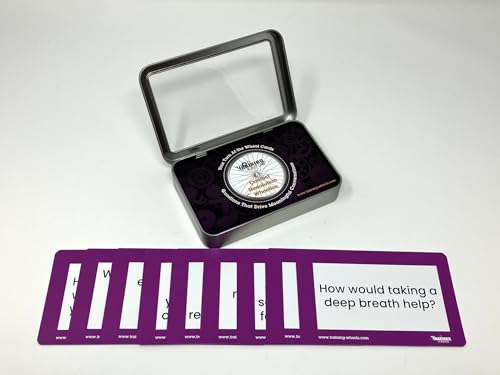
Training Wheels Conflict Resolution Wheelies – Trust Building Games, Team Building Activities, Conflict Resolution Conversation Starters for Meetings and New Relationships (Conflict)
WHEELIES – Draw a card and start talking! Great teambuilding tool! Stimulate conversations and talk about topics that…
As an affiliate, we earn on qualifying purchases.
As an affiliate, we earn on qualifying purchases.

Calm-Down Time (Toddler Tools® Board Books)
Used Book in Good Condition
As an affiliate, we earn on qualifying purchases.
As an affiliate, we earn on qualifying purchases.