

Talking money without the meltdown starts with open, honest discussions about your financial goals, spending habits, and debts. It’s key to understand each other’s risk tolerance and develop joint strategies that respect individual comfort levels. Regularly revisit your plans to stay aligned as circumstances change. Clear communication builds trust and prevents conflicts. If you’re curious about turning these conversations into a smooth partnership, there’s more to explore that can help strengthen your financial bond.
Key Takeaways
- Approach money talks with openness, honesty, and a non-judgmental attitude to foster trust and reduce defensiveness.
- Discuss financial goals and habits early to align expectations and prevent misunderstandings.
- Use active listening and respectful communication to handle disagreements calmly and constructively.
- Establish shared financial plans while respecting individual risk tolerances and spending styles.
- Regularly revisit financial conversations to adapt to changing circumstances and maintain mutual understanding.

Financial compatibility plays a essential role in the success of any relationship because it influences how you manage money, handle financial stress, and plan for the future. When you and your partner are aligned on financial matters, it becomes easier to build trust, avoid conflicts, and set shared goals. One key aspect of this compatibility is how you approach investment strategies. If you prefer taking calculated risks and investing in stocks, while your partner favors conservative bonds or savings accounts, you’ll need to find common ground. Discuss your investment philosophies openly, and consider developing a joint strategy that balances both your risk tolerances. This way, you can grow your wealth together while respecting each other’s comfort levels.
Aligning investment strategies fosters trust and growth in your relationship.
Another critical component is debt management. If one of you has significant debt, it’s essential to be transparent about it early on. Ignoring debt or hiding financial liabilities can lead to mistrust and resentment over time. Instead, collaborate on creating a debt repayment plan that works for both of you. Whether it involves consolidating loans, prioritizing high-interest debts first, or setting monthly targets, working as a team helps you manage debt more effectively. It also provides a sense of shared responsibility, which is indispensable for maintaining harmony and long-term financial stability.
You should also discuss your spending habits and financial priorities. Some people are more spontaneous with their spending, while others prefer strict budgets. Recognizing these differences allows you to develop a financial plan that accommodates both styles. For example, you might agree on a monthly entertainment budget that satisfies the spontaneous spender without jeopardizing savings goals. Having clear conversations about money helps prevent misunderstandings and minimizes the potential for conflict down the line. Additionally, understanding your wave and wind approaches to money can help you navigate financial dynamics more smoothly.
Planning for the future is another area where compatibility matters. Talking about your long-term goals—whether it’s buying a house, saving for children’s education, or retiring comfortably—ensures you’re on the same page. When your financial visions align, you can design a roadmap that includes the right investment strategies and savings plans. It’s also essential to revisit these conversations periodically, especially when circumstances change, to keep your financial partnership strong.
Ultimately, open communication about money isn’t just about avoiding disagreements. It’s about building trust, understanding each other’s perspectives, and creating a shared financial life that supports both of your dreams. By aligning your approaches to investment strategies and debt management, you set a foundation for a resilient, supportive partnership where money becomes a tool for growth, not a source of stress.

Peace of Mind Planner: Important Information about My Belongings, Business Affairs, and Wishes
Durable hardcover with concealed wire-o binding
As an affiliate, we earn on qualifying purchases.
As an affiliate, we earn on qualifying purchases.
Frequently Asked Questions
How Can Couples Discuss Debt Without Causing Resentment?
When discussing debt, you should prioritize debt transparency and establish clear financial boundaries. Approach your partner with honesty, sharing your debts openly without judgment. Listen actively, showing understanding and support. Set mutual goals and agree on how to handle debts together. Keep communication respectful and calm, avoiding blame. This way, you prevent resentment, build trust, and create a healthy financial partnership where both feel secure and respected.
What Are Effective Strategies for Aligning Financial Goals?
To align your financial goals, start with open conversations about budget planning and savings goals. Make sure you listen actively and share your aspirations honestly. Create a joint budget that reflects both of your priorities, and set achievable milestones together. Regular check-ins help track progress and adjust plans as needed. This approach fosters teamwork, minimizes misunderstandings, and keeps you both focused on shared financial success.
How Should Disagreements About Spending Be Resolved?
Think of disagreements about spending as a storm you can weather together. When conflicts arise, stay calm and discuss your budget planning and savings strategies openly. Listen to each other’s concerns and find common ground, maybe setting a spending limit or revisiting your financial goals. This teamwork helps you navigate the storm, ensuring your financial journey stays smooth and united rather than torn apart by disagreements.
When Is the Right Time to Open Joint Accounts?
You should open a joint account once you and your partner have aligned on budget planning and savings goals. It’s best to wait until you’ve discussed your financial habits and feel confident about managing shared expenses. Make sure you both agree on contributions and how to track spending. This way, you’ll build trust and avoid misunderstandings, ensuring your joint account supports your financial plans smoothly.
How to Handle Financial Secrets or Past Financial Mistakes?
When handling financial secrets or past mistakes, you need to prioritize financial honesty and transparency in money. Openly share your past financial issues with your partner, emphasizing trust and understanding. It’s important to approach these conversations calmly and without blame, demonstrating your commitment to honesty. By doing so, you foster a stronger connection built on transparency, reducing misunderstandings and ensuring both of you feel secure and respected in your financial journey together.
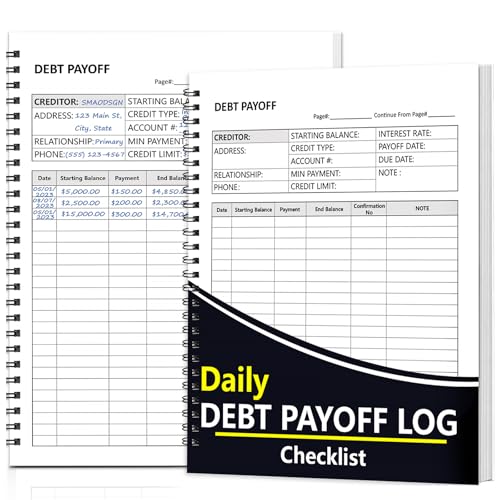
Debt Payoff Planner Spiral Bound Letter Size Debt Payoff Tracker 8.5×11 Inch Bill Payment Tracker Notebook Double Printed Financial Planner Monthly Expense Tracker for Credit Cards Payment 110 Pages
Comprehensive Debt Management Tool:The debt payoff planner log offers a detailed table design to help users manage debt…
As an affiliate, we earn on qualifying purchases.
As an affiliate, we earn on qualifying purchases.
Conclusion
Talking about money might feel like steering a minefield, but it’s the secret to building a rock-solid partnership. When you’re open and honest about finances, you create an unbreakable bond that can weather any storm—more powerful than the mightiest fortress. Don’t let fear hold you back; start the conversation today. Remember, mastering financial compatibility isn’t just a skill—it’s the key to a love that lasts a lifetime.
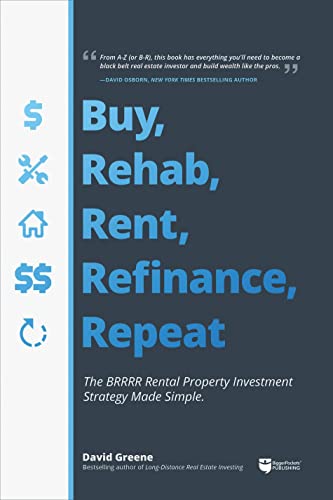
Buy, Rehab, Rent, Refinance, Repeat: The BRRRR Rental Property Investment Strategy Made Simple
As an affiliate, we earn on qualifying purchases.
As an affiliate, we earn on qualifying purchases.

Home Budgeting with AI: Smart Money & Expense Tracking Tools for Everyday Families: Breakthrough AI Family Finance: Smart Budgeting Apps, Automatic Expense Tracking
As an affiliate, we earn on qualifying purchases.
As an affiliate, we earn on qualifying purchases.