

To repair emotional safety after a misunderstanding, start by acknowledging the breach and expressing your feelings openly without blame. Be patient and consistent, showing your commitment through small acts of honesty and reliability. Share vulnerability gradually, focusing on how the situation impacted you. Create a safe space by practicing kindness, active listening, and validating each other’s emotions. If you want to discover more ways to rebuild trust and connection, keep exploring how external factors and intentional actions can help you move forward.
Key Takeaways
- Acknowledge and validate each other’s feelings without judgment or defensiveness.
- Share vulnerabilities gradually to rebuild trust and foster mutual understanding.
- Practice open, honest communication to clarify intentions and address misunderstandings.
- Demonstrate consistent kindness, patience, and reliability to reinforce emotional safety.
- Create a safe space by actively listening and avoiding blame or harmful language.

Have you ever felt emotionally unsafe in a relationship or situation? It’s a challenging experience that leaves you feeling vulnerable and unsure. When trust gets broken—whether through a misunderstanding, harsh words, or oversight—it can create a barrier that makes you hesitant to open up again. But rebuilding that sense of safety is possible, and it starts with intentional steps. Trust rebuilding requires patience and consistency. You need to show through your actions that you’re committed to restoring the connection. This might mean being more transparent about your feelings or clarifying your intentions so that your partner or friend understands you’re genuinely invested in mending the hurt. Each small act of honesty and reliability helps lay the groundwork for trust to grow back.
Sharing vulnerability is equally essential. It’s natural to want to protect yourself after feeling hurt, but avoiding emotional exposure only prolongs the discomfort and deepens the disconnect. Instead, you can take small steps to share your feelings — not to blame or accuse, but to express how the situation impacted you. For example, saying, “I felt really hurt when I thought my feelings weren’t considered” invites understanding rather than defensiveness. Vulnerability sharing fosters empathy and demonstrates your willingness to be open, which can encourage the other person to do the same. This mutual openness creates a safe space where both of you can process the misunderstanding, acknowledge your feelings, and work toward healing. Recognizing that emotional safety can be influenced by external factors, like communication styles and mutual respect, helps you understand the full context of rebuilding trust. Understanding these external factors can empower you to address specific challenges more effectively. Paying attention to trust dynamics within your relationship can also help you identify areas that need more attention and care. In addition, being aware of communication styles can greatly improve the clarity and effectiveness of your interactions during this process.
It’s essential to approach this process with patience. Trust rebuilding doesn’t happen overnight, especially after a breach of emotional safety. Be consistent in your efforts, and recognize that the other person may need time to feel comfortable again. During this period, avoid rushing or pressuring them to forgive or forget. Instead, focus on maintaining open lines of communication, listening actively, and validating each other’s feelings. Sometimes, understanding the role of communication helps clarify misunderstandings and rebuild connection more smoothly. Remember that emotional safety isn’t just about avoiding harm; it’s about creating a space where vulnerability is welcomed and trust is reinforced through honesty, kindness, and patience. By taking these deliberate steps, you can repair the damage and foster a more resilient, authentic connection moving forward.
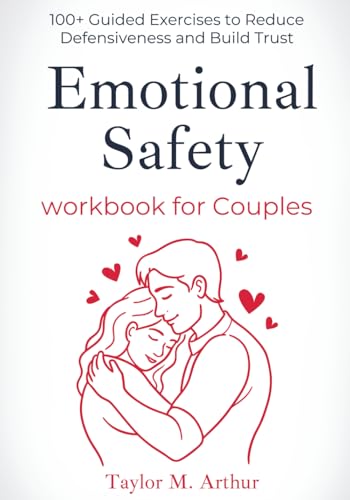
Emotional Safety Workbook for Couples: 100+ Guided Exercises to Reduce Defensiveness and Build Trust
As an affiliate, we earn on qualifying purchases.
As an affiliate, we earn on qualifying purchases.
Frequently Asked Questions
How Long Does It Typically Take to Rebuild Emotional Safety?
Rebuilding emotional safety can take anywhere from days to weeks, depending on the situation and your efforts. You’ll need patience for trust rebuilding and consistent communication strategies to show your commitment. Engage in open, honest conversations, listen actively, and validate feelings. As you demonstrate reliability and understanding, emotional safety gradually restores. Keep in mind, it’s a process, and giving yourself and the other person time is essential for genuine healing.
Can Emotional Safety Be Fully Restored After Severe Misunderstandings?
Yes, emotional safety can be fully restored after severe misunderstandings, but it takes consistent effort. You need to focus on trust restoration by being honest and transparent. Improving communication is key—listen actively, express your feelings clearly, and show empathy. Over time, these actions rebuild a secure environment where both of you feel safe. Patience and commitment are essential; with genuine effort, emotional safety can be fully regained.
What Are Signs That Emotional Safety Has Been Successfully Repaired?
You’ll notice emotional safety has been successfully repaired when trust rebuilding feels natural again and both of you openly share feelings without fear. Communication techniques like active listening and honest feedback become easier, fostering understanding. You might also see increased patience, reduced defensiveness, and a sense of mutual respect. When conflicts are resolved with compassion and you genuinely feel heard and valued, it signals that emotional safety has been restored.
How Do I Prevent Future Misunderstandings From Damaging Emotional Safety?
You can prevent future misunderstandings from damaging emotional safety by practicing open communication techniques like active listening and clear, honest expressions. Make trust rebuilding a priority by consistently showing empathy and reliability. Encourage a safe space where both of you feel comfortable sharing concerns without judgment. Regularly check in with each other to clarify intentions and feelings, fostering a stronger bond that minimizes miscommunications and maintains emotional safety over time.
Is Therapy Necessary to Repair Emotional Safety Effectively?
Therapy isn’t always necessary, but it can be highly beneficial for repairing emotional safety. For example, a person struggling to rebuild trust after a conflict might find therapy helps develop emotional resilience and communication skills. Therapy benefits include gaining insight and tools to navigate feelings better. If you find you’re unable to recover emotional safety alone, seeking professional support can make the process smoother and more effective.
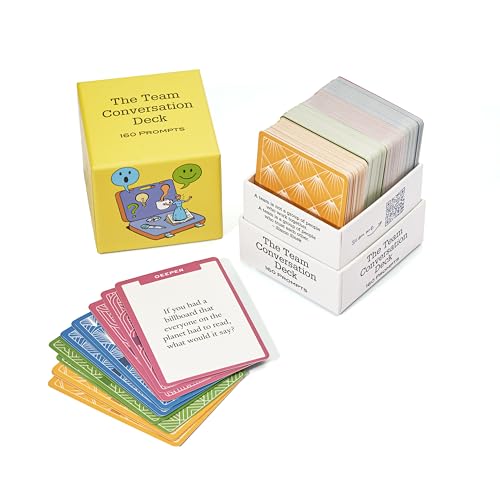
160 Team Building Cards for Managers – Build Trust & Improve Team Performance – 4 Categories from Light Icebreakers to Strategic Team Questions – For Meetings & 1-on-1s | Say This Not That Cards
100% Work-Safe, Zero Pre-Screening Needed – Every card tested with real teams across all hierarchy levels. No awkward…
As an affiliate, we earn on qualifying purchases.
As an affiliate, we earn on qualifying purchases.
Conclusion
Remember, restoring emotional safety is like gently tending a delicate garden—you nurture it with patience, understanding, and a bit of kindness. Small acts of reassurance and open-hearted conversations help mend the subtle cracks caused by misunderstandings. With time and care, your connection can blossom even stronger, turning a fleeting shadow into a warm, comforting light. Embrace the process, knowing that every gentle step brings you closer to a place of mutual trust and heartfelt harmony.

Communication FUNdamentals – Illustrated Nonviolent Communication (NVC) Primer to Learn Empathy, Active Listening & Conflict Resolution
SPEAK FROM THE HEART! Learn the tools and consciousness of Nonviolent Communication (NVC) to speak and listen from…
As an affiliate, we earn on qualifying purchases.
As an affiliate, we earn on qualifying purchases.
The Relationship Check-In Journal: Couples Journaling: Meaningful Couples Conversation Starters, Routine Talks with your Partner, Become a Better Wife, Husband, Girlfriend, Boyfriend
As an affiliate, we earn on qualifying purchases.
As an affiliate, we earn on qualifying purchases.