

The best relationship communication tools turn vague intentions — “we should talk more” — into concrete skills you can actually practice. After comparing 12 of the most popular options, The CBT Couples Toolbox stands out as the best overall pick thanks to its 45+ exercises rooted in cognitive behavioral techniques that address both everyday friction and deeper patterns. For couples short on time, the Couples Communication Workbook offers a structured 12-day, 20-minute-a-day format, while The Skin Deep healing card deck suits partners who freeze up when a workbook assigns homework. The main tradeoff in this category is between depth and accessibility: therapy-style programs deliver more transformation but demand more commitment, while lighter tools get used more often but go less deep. Read on for the full breakdown of which tool fits your relationship.

Get gifts for the two of you delivered free with Prime
- Fast, free delivery on millions of items
- Prime Video, Amazon Music and more included
- Member-only deals all year
Key Takeaways
- Structured, time-boxed programs (the 12-day and 8-week workbooks) get finished far more often than open-ended books with no schedule, which is why they ranked near the top.
- Nonviolent Communication ranks as the best foundational read, but it teaches a philosophy rather than exercises — couples wanting to DO things, not just read, should pair it with a workbook.
- Question card decks like The Skin Deep work best as a supplement, not a primary tool: they open conversations but don’t teach conflict-resolution skills.
- The biggest quality divider in this roundup was exercise design — the strongest tools specify exact scripts and prompts, while the weakest just ask vague ‘discuss your feelings’ questions.
- Couples in serious distress (affairs, chronic conflict) need the therapy-grade workbooks like Reconnect or the 12-Week program, not general communication primers.
| Nonviolent Communication: A Language of Life |  | Best Overall | Format: Paperback | Category: Communication framework / self-help | Audience: General (couples, families, workplace) | VIEW LATEST PRICE | See Our Full Breakdown |
| The CBT Couples Toolbox: Over 45 Exercises to Improve Communication, Navigate Problems and Build Strong Relationships | 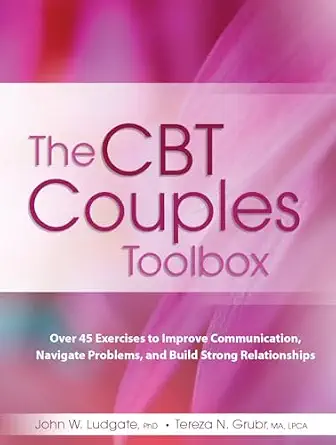 | Best Exercise Library | Format: Paperback workbook | Exercise count: 45+ structured exercises | Therapeutic basis: Cognitive-behavioral therapy (CBT) | VIEW LATEST PRICE | See Our Full Breakdown |
| Couples Communication Workbook: 20 Minutes a Day for 12 Days to Improve Listening, Resolve Conflicts, and Strengthen Your Relationship |  | Best for Beginners | Format: Workbook | Program length: 12 days | Daily time commitment: 20 minutes | VIEW LATEST PRICE | See Our Full Breakdown |
| Communicate Your Feelings (Without Starting a Fight): What to Say and What Not to Say to Your Partner |  | Best for Conflict-Avoidant Partners | Format: Book | Approach: Direct phrase-level guidance (what to say / what not to say) | Audience: Individuals and couples prone to conflict escalation | VIEW LATEST PRICE | See Our Full Breakdown |
| Love More, Fight Less: Communication Skills Every Couple Needs | 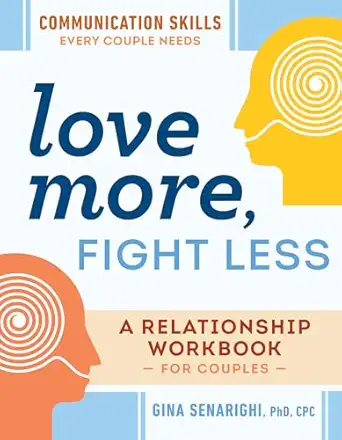 | Best Guided Workbook | Format: Relationship workbook | Structure: Progressive skill-building with exercises | Audience: Couples | VIEW LATEST PRICE | See Our Full Breakdown |
| Reconnect: A Marriage Counseling Workbook |  | Best for Married Couples | Format: Paperback workbook | Primary Focus: Communication and intimacy | Structure: Guided conversations and exercises | VIEW LATEST PRICE | See Our Full Breakdown |
| 8-Week Couples Therapy Workbook: Essential Strategies to Connect, Improve Communication, and Strengthen Your Relationship |  | Best Structured Short Program | Format: Spiral-bound workbook | Program Length: 8 weeks | Primary Focus: Communication and connection | VIEW LATEST PRICE | See Our Full Breakdown |
| 12-Week Relationship Therapy Workbook for Couples | 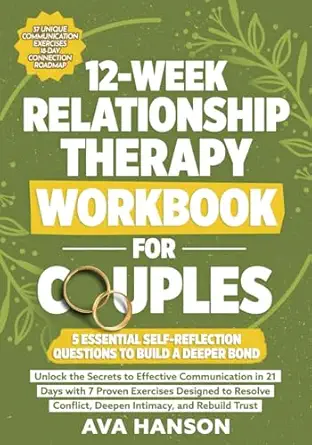 | Best for Trust Rebuilding | Format: Workbook | Program Length: 12 weeks | Number of Core Exercises: 7 | VIEW LATEST PRICE | See Our Full Breakdown |
| The Talk Book: With Six Prize-Winning Talk Tools That Strengthen Relationships and Repair Communication Breakdowns |  | Best Classic Framework | Format: Paperback book | Number of Tools Taught: 6 talk tools | Primary Focus: Repairing communication breakdowns | VIEW LATEST PRICE | See Our Full Breakdown |
| The Skin Deep Healing Edition – 199 Question Cards to Heal Strained Relationships |  | Best Low-Commitment Conversation Tool | Format: Card deck | Number of Cards: 199 | Primary Focus: Healing strained relationships and improving communication | VIEW LATEST PRICE | See Our Full Breakdown |
| Communication Skills for Couples Made Simple: 7-Step Workbook to Build Trust, Resolve Conflicts, Master Active Listening, and Create a Fulfilling Relationship |  | Best for Busy Couples | Format: Paperback workbook | Structure: 7-step progressive method | Time Commitment: Approximately 10 minutes per day | VIEW LATEST PRICE | See Our Full Breakdown |
| Practical At-Home Couples Therapy Workbook: Guided Relationship Toolkit for Honest Communication, Restored Intimacy, and Conflict Repair |  | Best for Rebuilding Connection | Format: Guided workbook / toolkit | Structure: Structured activities and guided exercises | Core Focus Areas: Honest communication, intimacy restoration, conflict repair | VIEW LATEST PRICE | See Our Full Breakdown |
| relationship communication tool | Format | Structure | Best use |
|---|---|---|---|
| Nonviolent Communication: A La | Paperback | Framework-based instruction with practice dialogues | — |
| The CBT Couples Toolbox: Over | Paperback workbook | Modular exercise library, not sequential | — |
| Couples Communication Workbook | Workbook | Sequential daily exercises | — |
| Communicate Your Feelings | Book | — | Supplement to deeper communication programs |
| Love More | Relationship workbook | Progressive skill-building with exercises | — |
| Reconnect: A Marriage Counseli | Paperback workbook | Guided conversations and exercises | Ongoing relationship maintenance |
| 8-Week Couples Therapy Workboo | Spiral-bound workbook | Weekly exercises and guidance | Habit-building over two months |
| 12-Week Relationship Therapy W | Workbook | — | Extended structured repair work |
| The Talk Book: With Six Prize- | Paperback book | Self-paced reference reading | In-the-moment conversation skills |
| The Skin Deep Healing Edition | Card deck | — | Low-pressure conversation starters for reconnection |
| Communication Skills for Coupl | Paperback workbook | 7-step progressive method | — |
| Practical At-Home Couples Ther | Guided workbook / toolkit | Structured activities and guided exercises | — |
More Details on Our Top Picks
Nonviolent Communication: A Language of Life
This pick earns the top spot because it teaches a complete communication framework rather than a handful of exercises. Compared with The CBT Couples Toolbox, which is exercise-heavy and couples-specific, this book builds a transferable skill set — observation, feeling, need, request — that works with partners, family, and coworkers alike. That breadth is exactly why it sits at number one: most communication breakdowns aren’t limited to one relationship. The tradeoff is real, though. Mastering the method takes practice, and some readers find the example dialogues feel stilted or overly scripted in everyday arguments. This option makes the most sense for buyers who want lasting skills, not a quick fix.
Pros:- Complete, teachable four-step framework (observation, feeling, need, request)
- Applies beyond romantic relationships to family, work, and friendships
- Long track record with extensive editions, translations, and reader validation
- Addresses the root causes of conflict rather than surface-level scripts
Cons:- Techniques require sustained practice before they feel natural in heated moments
- Example dialogues can sound formal or artificial compared to real conversation
Best for: Readers who want a foundational communication framework they can apply across every relationship, not just romantic ones
Not ideal for: Couples in active crisis who need immediate, scripted interventions — the framework takes weeks of practice to internalize
- Format:Paperback
- Category:Communication framework / self-help
- Audience:General (couples, families, workplace)
- Structure:Framework-based instruction with practice dialogues
- Core method:Four-step nonviolent communication process
- Time investment:Multi-week practice to master techniques
- Author background:Developed by psychologist Marshall B. Rosenberg
Our verdict“Buy this if you want the deepest, most durable communication skill set in the category; skip it if you need overnight results.”
The CBT Couples Toolbox: Over 45 Exercises to Improve Communication, Navigate Problems and Build Strong Relationships
Where Nonviolent Communication teaches one deep framework, this book takes the opposite approach: a toolbox of 45+ discrete exercises drawn from cognitive-behavioral therapy. That makes it the most flexible pick for targeted problems — recurring arguments, defensiveness, or avoidance patterns — because couples can pull one exercise at a time instead of working through a curriculum. Compared with Love More, Fight Less, which follows a more guided path, this collection gives you more raw material but less hand-holding. The tradeoff: without a structured sequence, motivated partners will thrive while less disciplined couples may cherry-pick and stall. Some exercises also assume a relatively stable relationship, so couples in serious distress may need professional support alongside it.
Pros:- 45+ exercises offer rare variety and repeat value over years
- Grounded in evidence-based cognitive-behavioral techniques
- Modular format lets couples target specific recurring conflicts
- More content per dollar than shorter workbooks in this roundup
Cons:- Requires real commitment and consistency to see results
- Content assumes goodwill between partners and may not suit high-conflict relationships
Best for: Self-directed couples who want a large library of therapy-based exercises to dip into as specific problems arise
Not ideal for: Couples who need structure and accountability — the buffet format makes it easy to start strong and abandon halfway
- Format:Paperback workbook
- Exercise count:45+ structured exercises
- Therapeutic basis:Cognitive-behavioral therapy (CBT)
- Audience:Couples
- Structure:Modular exercise library, not sequential
- Focus areas:Communication, problem-solving, relationship strengthening
- Time investment:Ongoing; commitment-dependent
Our verdict“The best choice for motivated couples who want depth and variety over a guided, linear program.”
Couples Communication Workbook: 20 Minutes a Day for 12 Days to Improve Listening, Resolve Conflicts, and Strengthen Your Relationship
This workbook wins on approachability. The 20-minutes-a-day, 12-day format is the lowest barrier to entry in this lineup — far less intimidating than the 45+ exercises in The CBT Couples Toolbox or the multi-week programs like the 8-Week Couples Therapy Workbook. For a couple where one partner is skeptical about “doing a workbook,” a two-week commitment is an easier sell than a three-month one. The honest tradeoff: twelve days cannot rewrite deep communication patterns, and because the title is newer with limited review history, buyers are taking something of a chance on content quality. Think of it as a starter program that works well before graduating to a heavier pick.
Pros:- Short 20-minute sessions fit easily into daily routines
- Defined 12-day endpoint creates a clear, finishable goal
- Focuses on two high-impact skills: listening and conflict resolution
- Ideal icebreaker before committing to longer programs
Cons:- Limited track record with few reader reviews to validate quality
- 12 days is too brief to change long-standing habits
Best for: Busy or hesitant couples who want a short, low-pressure starter program — especially when one partner is reluctant
Not ideal for: Couples with entrenched conflict patterns who need depth beyond what a 12-day sprint can deliver
- Format:Workbook
- Program length:12 days
- Daily time commitment:20 minutes
- Audience:Couples, beginner-friendly
- Core skills:Active listening, conflict resolution
- Structure:Sequential daily exercises
Our verdict“A smart first step for couples testing the waters — just don’t expect it to replace deeper work.”
Communicate Your Feelings (Without Starting a Fight): What to Say and What Not to Say to Your Partner
This book fills a niche the others don’t: it’s essentially a phrasebook for hard conversations. Instead of frameworks or multi-day programs, it delivers concrete “say this, not that” guidance for expressing difficult emotions. Compared with Nonviolent Communication, which teaches you to construct your own language from principles, this option hands you the words directly — a genuine advantage for people who freeze up or escalate when emotions run high. The flip side is depth: scripts without underlying understanding can feel mechanical, and a partner may notice they’re being “worked on.” It’s also thinner on theory than Love More, Fight Less, so it works best as a supplement or emergency reference rather than a standalone program.
Pros:- Concrete phrasing examples make it immediately actionable
- Directly targets the fight-or-freeze moment of raising difficult feelings
- Quick, digestible read compared with longer workbooks
- Practical for both partners or solo reading
Cons:- Limited depth on why communication patterns form in the first place
- Scripted phrases can feel inauthentic if used without genuine reflection
Best for: Conflict-avoidant partners who know what they feel but struggle to phrase it without triggering an argument
Not ideal for: Readers seeking root-cause understanding or a full skill-building program — this is tactical, not transformational
- Format:Book
- Approach:Direct phrase-level guidance (what to say / what not to say)
- Audience:Individuals and couples prone to conflict escalation
- Focus areas:Emotional expression, conflict prevention
- Reading style:Quick, tactical reference
- Best use:Supplement to deeper communication programs
Our verdict“Buy it as a tactical phrasebook for emotionally charged moments; pair it with a deeper book for lasting change.”
Love More, Fight Less: Communication Skills Every Couple Needs
This pick lands in the sweet spot between structure and depth. Unlike The CBT Couples Toolbox, which leaves sequencing largely to you, this workbook walks couples through a guided progression of skills with exercises at each step — closer to a therapist-designed curriculum in book form. Compared with the Couples Communication Workbook’s 12-day sprint, it demands more time, but the payoff is more durable conflict-reduction skills rather than a quick reset. The tradeoffs: results depend heavily on both partners doing the work, and couples expecting an easy read will find it requires genuine effort. For buyers who found the shorter programs too shallow but the NVC framework too abstract, this is the natural middle choice.
Pros:- Guided progression balances structure with meaningful depth
- Exercises target conflict frequency directly, not just communication theory
- Middle-ground option between short workbooks and dense framework books
- Skills build on each other for compounding results over time
Cons:- Requires commitment from both partners over weeks, not days
- Paced progression may feel slow for couples wanting immediate fixes
Best for: Couples ready to invest sustained joint effort in a structured, skill-by-skill program that goes deeper than a quick starter workbook
Not ideal for: Couples where only one partner is willing to participate — the exercises lose most of their value solo
- Format:Relationship workbook
- Structure:Progressive skill-building with exercises
- Audience:Couples
- Focus areas:Conflict reduction, communication skills, connection
- Time investment:Multi-week program requiring joint participation
- Depth level:Intermediate — between starter workbooks and framework texts
Our verdict“The best all-couples workbook if both partners will genuinely do the work — deeper than a starter, more guided than a toolbox.”
Reconnect: A Marriage Counseling Workbook
Unlike the more general 8-Week Couples Therapy Workbook, this option is written squarely for married couples who want guided conversations rather than a lecture-style program. The exercise-driven format means progress depends on actually sitting down together and doing the work — there’s no passive reading path here. Compared with The Talk Book, which teaches broad techniques you apply on your own, Reconnect leans on structured prompts that keep a stalled conversation moving, which is exactly what long marriages tend to need. The tradeoff is real: couples hoping for quick fixes will find the commitment requirement frustrating, and the book demands sustained effort over months. But for spouses who already want to reconnect and just lack a roadmap, this guided-exercise format removes the guesswork that derails most self-help attempts.
Pros:- Guided conversation prompts keep dialogue flowing without a therapist present
- Addresses both communication and intimacy, not just conflict tactics
- Designed specifically for long-term and married relationships
- Exercise-based format creates shared accountability between partners
Cons:- Requires genuine commitment to complete the exercises — buying it won’t fix anything alone
- Sparse detail on authors and methodology makes it hard to evaluate before buying
Best for: Married couples in long-term relationships who want a shared, exercise-based roadmap rather than theory-heavy reading
Not ideal for: Couples in crisis who need immediate de-escalation tactics — the exercises take weeks of consistent effort to pay off
- Format:Paperback workbook
- Primary Focus:Communication and intimacy
- Structure:Guided conversations and exercises
- Target Audience:Married and long-term couples
- Approach:Exercise-driven, self-guided
- Best Use:Ongoing relationship maintenance
Our verdict“Buy this if you’re a married couple ready to do weekly work together; skip it if you want a one-time read.”
8-Week Couples Therapy Workbook: Essential Strategies to Connect, Improve Communication, and Strengthen Your Relationship
This pick earns its spot for time-boxed structure: eight weeks is long enough to build habits but short enough to finish, which the 12-Week Relationship Therapy Workbook can’t claim. Compared with Reconnect, which leaves pacing largely up to you, the week-by-week format gives busy couples a clear finish line — a meaningful advantage when motivation fades by week three. The spiral binding sounds minor but matters: the book lies flat while both partners write, unlike standard paperbacks that snap shut mid-exercise. The tradeoff is depth. Eight weeks means less time for entrenched issues like betrayal recovery, and couples with deep conflict may find the program moves too fast. Sparse reviews and limited detail on the strategies themselves also make this something of a leap of faith compared with better-documented titles like Love More, Fight Less.
Pros:- Eight-week timeline is realistic and finishable for busy schedules
- Spiral binding lets the workbook lie flat during written exercises
- Balances communication skills with connection-building, not just conflict repair
- Weekly structure creates momentum and a shared routine
Cons:- Compressed timeline limits depth on serious issues like trust rebuilding
- Few customer reviews available to verify results before purchase
Best for: Busy couples who want a defined, finishable program with a clear weekly cadence
Not ideal for: Couples working through serious betrayal or deep-seated conflict — the timeline is too compressed for that work
- Format:Spiral-bound workbook
- Program Length:8 weeks
- Primary Focus:Communication and connection
- Structure:Weekly exercises and guidance
- Target Audience:Couples seeking self-guided therapy-style work
- Best Use:Habit-building over two months
Our verdict“A strong choice for couples who need a program they’ll actually finish in two months rather than abandon.”
12-Week Relationship Therapy Workbook for Couples
Where the 8-Week Couples Therapy Workbook prioritizes finishability, this option bets on depth over speed. The full three-month arc with seven core exercises is built around the slow work of rebuilding trust and resolving recurring conflict — territory shorter programs skim past. Compared with Reconnect, the tighter exercise count means each tool gets more repetition and practice, which matters when old argument patterns keep resurfacing. The obvious cost is commitment: twelve weeks is a real ask, and couples who struggle to sustain routines will likely stall midway. It’s also a newer title with few reviews, so there’s less community evidence than established picks like Nonviolent Communication. And no workbook covers everything — severe situations such as active infidelity or abuse need a professional therapist, not a paperback. For couples past crisis but still carrying scars, though, this is the most focused trust-repair path in this lineup.
Pros:- Extended timeline allows genuine trust-rebuilding work, not just skill tips
- Seven focused exercises get repeated practice instead of being rushed
- Explicitly targets conflict resolution, intimacy, and trust together
- Three-month structure mirrors real therapy pacing
Cons:- Longest commitment of any workbook in this roundup
- Very limited reviews and content detail make it hard to vet beforehand
- Not a substitute for professional therapy in serious situations
Best for: Couples recovering from broken trust or recurring conflict who can commit to a full three-month program
Not ideal for: Couples with inconsistent schedules or low follow-through — the 12-week commitment is easy to abandon
- Format:Workbook
- Program Length:12 weeks
- Number of Core Exercises:7
- Primary Focus:Communication, conflict, intimacy, trust
- Target Audience:Couples rebuilding trust
- Best Use:Extended structured repair work
Our verdict“Pick this only if trust repair is the goal and both partners can sustain three months of consistent work.”
The Talk Book: With Six Prize-Winning Talk Tools That Strengthen Relationships and Repair Communication Breakdowns
This is the reference-style pick of the bunch: instead of a timed program like the 8-Week Couples Therapy Workbook, it teaches six reusable talk tools you apply whenever a conversation goes sideways. That framing makes it closer in spirit to Nonviolent Communication — a framework you internalize rather than homework you complete — which suits readers who dislike workbooks but still want method. The prize-winning pedigree suggests the tools have stood up to scrutiny, and the longevity of the title itself says something about staying power. The tradeoff is abstraction: without structured weekly exercises, couples who need external accountability may read it, nod along, and change nothing. Documentation on the specific techniques is thin, and the older publication date means some examples won’t reflect how couples communicate today. Still, for self-directed readers, six portable tools beat fifty exercises they’ll never do.
Pros:- Six memorable, reusable tools rather than a long list of tips
- Specifically addresses repairing breakdowns, not just preventing them
- Framework-based approach works across many relationship types
- Long-standing, award-recognized methodology
Cons:- No exercises or schedule, so behavior change depends entirely on the reader
- Limited transparency about the specific techniques before buying
- Older publication means dated examples and references
Best for: Self-motivated readers who want learnable conversation techniques they can deploy in the moment, not weekly homework
Not ideal for: Couples who need external structure and accountability — there’s no program schedule to keep them on track
- Format:Paperback book
- Number of Tools Taught:6 talk tools
- Primary Focus:Repairing communication breakdowns
- Approach:Technique framework, not a workbook
- Structure:Self-paced reference reading
- Best Use:In-the-moment conversation skills
Our verdict“Choose this if you want a durable set of conversation tools to internalize; avoid it if homework-driven workbooks are what keep you honest.”
The Skin Deep Healing Edition – 199 Question Cards to Heal Strained Relationships
For couples who won’t touch a workbook, this is the lowest barrier to entry in the roundup. While Reconnect asks for scheduled exercise sessions, these 199 question cards turn healing conversations into something closer to a game — pull a card, answer honestly. The format also makes it the most versatile pick here: unlike every workbook in this list, it works for friends and family relationships too, not just partners. The Skin Deep brand is well established in the conversation-card space, which gives it more credibility than the unproven 12-Week Relationship Therapy Workbook. The real tradeoff is depth. Cards spark conversations but don’t teach skills — there’s no framework for what to do with what surfaces, unlike The Talk Book‘s structured tools. And nothing happens if one participant answers defensively, so it requires the same openness as any workbook, just with less guidance.
Pros:- Card format removes the intimidation of a therapy-style workbook
- 199 prompts span diverse emotional topics, from memories to wounds
- Works beyond romantic partners — friends and family can participate
- Established brand with a proven conversation-deck format
Cons:- Requires genuine openness from both participants to work at all
- Prompts conversations but offers no skills or framework for resolving what comes up
Best for: Couples, friends, or family members who want guided healing conversations without the homework of a workbook
Not ideal for: Anyone seeking communication skills training — cards prompt conversations but teach no techniques
- Format:Card deck
- Number of Cards:199
- Primary Focus:Healing strained relationships and improving communication
- Suitable For:Couples, friends, and family
- Approach:Guided question prompts
- Best Use:Low-pressure conversation starters for reconnection
Our verdict“Grab this if a workbook feels like too much and you just need help starting hard conversations; pair it with a skills book for the full picture.”
Communication Skills for Couples Made Simple: 7-Step Workbook to Build Trust, Resolve Conflicts, Master Active Listening, and Create a Fulfilling Relationship
Most workbooks in this category ask for a serious time commitment — the Couples Communication Workbook, for example, wants 20 minutes a day for nearly two weeks. This option takes the opposite approach: a 7-step method compressed into roughly 10 minutes of daily practice, which makes it the most realistic entry point for partners whose calendars are already overloaded. The structure covers trust-building, conflict resolution, and active listening in a sequenced way, so couples aren’t left guessing what to work on next. The tradeoff is depth. Compared with the 8-Week Couples Therapy Workbook, the guidance here is thinner, and couples facing entrenched, long-running conflict will likely outgrow it quickly. But for those who have failed with longer programs because life got in the way, the low daily barrier is the whole point.
Pros:- Structured 7-step progression removes guesswork about what to practice next
- 10-minute daily format is realistic for couples with demanding schedules
- Balances three core skills: trust-building, conflict resolution, and active listening
- Low-commitment entry point that pairs well with a deeper workbook later
Cons:- Content is too brief for couples seeking in-depth therapeutic guidance
- No supplementary tools, prompts, or digital features beyond the core steps
Best for: Busy couples who have abandoned longer workbooks and want a low-commitment daily habit they can actually sustain
Not ideal for: Couples dealing with deep-seated or chronic conflict who need substantial, in-depth therapeutic guidance rather than brief daily prompts
- Format:Paperback workbook
- Structure:7-step progressive method
- Time Commitment:Approximately 10 minutes per day
- Core Focus Areas:Trust-building, conflict resolution, active listening
- Designed For:Daily practice by couples
- Skill Level:Beginner-friendly, no prior therapy knowledge needed
- Depth:Concise daily exercises rather than long-form chapters
Our verdict“Buy this if you and your partner keep abandoning longer programs — its 10-minute format is the easiest way to build a daily communication habit, but move to a deeper workbook if serious conflict is the issue.”
Practical At-Home Couples Therapy Workbook: Guided Relationship Toolkit for Honest Communication, Restored Intimacy, and Conflict Repair
Where the 7-step Communication Skills for Couples Made Simple workbook is about building habits, this one is about repair. Its toolkit format targets couples whose connection has frayed — the exercises center on honest dialogue, restored intimacy, and conflict repair rather than general skill-building from scratch. Compared with Reconnect: A Marriage Counseling Workbook, which covers similar territory, this option leans harder into structured activities that force real conversations, which is exactly what distant partners often avoid. That strength is also its demand: the exercises only work if both people show up with genuine honesty and sustained commitment, and a partner who checks out mentally will stall the whole process. There’s also less clarity about content depth than the more established titles in this lineup offer, so buyers are trusting the framework sight-unseen.
Pros:- Focuses specifically on repair and reconnection rather than generic communication tips
- Structured activities prompt honest dialogue that couples might otherwise avoid
- Addresses intimacy restoration alongside conflict resolution, not just talking skills
- Works as a lower-cost alternative to starting formal couples counseling
Cons:- Requires genuine honesty and sustained commitment from both partners to work
- Content depth and format details are sparse compared with better-established workbooks
Best for: Couples who feel emotionally distant or stuck in repeated conflict cycles and want guided exercises to repair intimacy at home
Not ideal for: Couples where one partner is unwilling to engage honestly, or those wanting a proven, widely-reviewed framework with transparent content depth
- Format:Guided workbook / toolkit
- Structure:Structured activities and guided exercises
- Core Focus Areas:Honest communication, intimacy restoration, conflict repair
- Designed For:At-home use by couples without a therapist
- Approach:Activity-driven dialogue rather than lecture-style chapters
- Best Use Case:Reconnecting strained or distant partnerships
- Requirement:Active participation and honesty from both partners
Our verdict“Pick this if your relationship needs active repair — not just better habits — and both partners are ready to be honest; skip it if either of you isn’t truly willing to engage.”

How We Picked
I evaluated each tool against four criteria that actually predict whether a couple will benefit. First, exercise quality: does the tool give specific scripts, prompts, and steps, or vague instructions? Second, time commitment and structure: tools with a clear schedule (12 days, 8 weeks) consistently outperform open-ended ones because couples finish them. Third, evidence base: I gave higher marks to tools grounded in established frameworks like CBT, the Gottman method, or Nonviolent Communication, since these have clinical track records. Fourth, accessibility — how intimidating the tool feels to a partner who resists “relationship work,” because a brilliant workbook that sits unread helps no one.
Ranking also reflected audience fit. A couple rebuilding after a betrayal needs different guidance than one wanting better daily check-ins, so the top slots went to tools that clearly serve their intended reader rather than trying to serve everyone. Price was a minor factor here since most options sit under $25 — the real cost is time and willingness, which shaped the ordering more than dollars did.
| relationship communication tool | Best use |
|---|---|
| Nonviolent Communication: A La | — |
| The CBT Couples Toolbox: Over | — |
| Couples Communication Workbook | — |
| Communicate Your Feelings | Supplement to deeper communication programs |
| Love More | — |
| Reconnect: A Marriage Counseli | Ongoing relationship maintenance |
| 8-Week Couples Therapy Workboo | Habit-building over two months |
| 12-Week Relationship Therapy W | Extended structured repair work |
| The Talk Book: With Six Prize- | In-the-moment conversation skills |
| The Skin Deep Healing Edition | Low-pressure conversation starters for reconnection |
| Communication Skills for Coupl | — |
| Practical At-Home Couples Ther | — |
Factors to Consider When Choosing Relationship Communication Tools
Before picking a specific title, it helps to understand what separates a tool that changes how you communicate from one that gathers dust on the nightstand. These are the factors that matter most.Match the Tool to Your Problem
The single biggest mistake couples make is buying a general communication book when their issue is specific. Ongoing conflict and fighting calls for conflict-resolution frameworks with scripts, like the CBT-based or skills-focused workbooks. Emotional distance responds better to question decks and reconnection exercises that rebuild intimacy before tackling technique. Recovery from betrayal or a crisis needs a therapy-grade program designed for that intensity — a lightweight workbook can feel dismissive and even cause harm by rushing the process. If you’re unsure, the safer bet is the more structured tool, because it will surface the real issue faster than a vague one.
Honest Time Commitment
Be realistic about how much time you and your partner will actually give. A 12-week program that gets abandoned in week two is worth less than a 12-day program you finish. Both partners must commit to the schedule, not just the one who bought the book — which is why shorter, time-boxed formats often outperform longer ones in real households. If one partner is reluctant, start with a low-pressure format like a card deck or a short read-one-chapter-a-week book. You can always graduate to a deeper program later; momentum matters more than depth at the start.
Workbook vs. Book vs. Cards
These formats serve different learning styles, and choosing wrong is a common reason tools fail. Books build understanding and motivation but rely on you to apply the ideas yourself. Workbooks force practice through exercises, which is where skill actually develops — better for couples who know what to do but don’t do it. Card decks remove the homework barrier entirely and work well as conversation openers, but they rarely teach technique. Many couples get the best results from pairing formats: a book for one partner who likes theory, a deck for low-stakes evenings, and a workbook for the real work.
Evidence-Based Frameworks
Not all relationship advice is equal. Tools built on CBT, Gottman research, Emotionally Focused Therapy, or Nonviolent Communication have clinical histories and replicable methods behind them. Books built mainly on one author’s anecdotes can still be motivating, but they’re harder to apply systematically. You don’t need a psychology degree to benefit — the best evidence-based tools translate research into plain-language exercises. But knowing the framework helps you pick a second tool later that won’t contradict the first, which matters when you’re both learning new vocabulary for conflict.
When to Skip Self-Help and See a Therapist
No workbook replaces professional help, and knowing that limit saves months of frustration. If there’s ongoing betrayal, abuse, addiction, or contempt so entrenched that exercises turn into new fight material, a self-guided tool is the wrong instrument. Workbooks genuinely shine for couples whose communication has drifted, who fight in repeatable patterns, or who want preventive maintenance. A reasonable test: try a short structured tool for two to three weeks. If exercises consistently escalate into conflict rather than repair it, that’s diagnostic information pointing you toward a couples counselor, not a different book.
Getting a Reluctant Partner On Board
Since one partner usually buys these tools, the other’s resistance is the most common failure point. Framing matters: presenting a workbook as “something is wrong with us” invites defensiveness, while framing it as a shared project — ten minutes, three nights a week — lowers the stakes. Card decks are the classic Trojan horse: they feel like a game, not therapy. Starting with the shortest, least clinical-looking option builds a track record before proposing something heavier. And if your partner won’t participate at all, several of these tools still work for solo use, changing the way one person shows up to every conversation.
Frequently Asked Questions
Can a workbook really replace couples therapy?
For couples dealing with ordinary communication drift, recurring arguments, or preventive maintenance, a good workbook can produce genuine change — the structured exercises mirror what many therapists assign as homework anyway. The difference is that a therapist notices what you can’t: tone, avoidance patterns, and the moments an exercise gets quietly skipped. Workbooks fail when the underlying problem is betrayal trauma, contempt, addiction, or a dynamic where every conversation about the relationship becomes a new fight. A practical middle path is doing a workbook first and evaluating whether exercises lead to repair or escalation. If it’s escalation, that’s a strong signal a professional should be involved rather than trying another book.
Which tool is best if my partner hates the idea of ‘relationship work’?
Start with The Skin Deep question cards or a short, conversational read like Communicate Your Feelings (Without Starting a Fight) — both feel low-stakes compared to a thick therapy workbook. The card deck works especially well because it’s framed as a game, requires no homework, and can be done on the couch in fifteen minutes. The trap to avoid is launching straight into an 8- or 12-week program with a resistant partner; it usually becomes one more thing to argue about. Once a few low-pressure sessions go well, you’ll have an easier time proposing something more structured like the 12-day workbook, since you’ll have proof the process can feel good rather than clinical.
Should we read Nonviolent Communication or start with a couples-specific workbook?
They do different jobs, and that’s why both appear in this lineup. Nonviolent Communication teaches a complete framework — observations, feelings, needs, requests — that changes how you speak in every relationship, not just romantic ones. But it’s a philosophy book with fewer couple-specific exercises, so some partners read it, nod, and change nothing. A couples workbook trades that depth for guided practice tailored to common relationship conflicts. The efficient route for most couples is a workbook first to build the habit of practicing, then NVC if you want to understand why the techniques work. Partners who love theory should reverse the order.
How long should we give one tool before deciding it isn’t working?
A fair trial is three to four weeks of consistent use — enough time to get past the awkward first exercises without dragging out something that isn’t landing. Judge by trajectory, not instant results: early sessions often feel stilted or even stir up tension as buried topics surface, which is normal and sometimes a sign the tool is working. What should concern you is if exercises consistently end in new fights with no repair, or if one partner is clearly just going through the motions for weeks on end. At that point, either the format is wrong — swap a workbook for cards or vice versa — or the problem exceeds self-help and a therapist consult makes sense.
Are question card decks actually useful for communication problems?
They’re genuinely useful, but for a narrower job than most buyers expect. Cards excel at creating conversations that wouldn’t happen otherwise — surfacing feelings, history, and appreciation that daily life crowds out, which is why The Skin Deep deck earned a spot in this lineup. Where they fall short is skill-building: a card can ask “when do you feel unheard?” but it can’t teach you how to listen differently once the answer arrives. Couples in active conflict often need technique, not just topics. The best use of a deck is alongside a workbook — cards for connection on good weeks, workbook exercises for the skills that carry you through bad ones.
Conclusion
The right pick depends on where your relationship is right now. For best overall, The CBT Couples Toolbox delivers the strongest combination of evidence-based exercises, breadth, and usability across most relationship stages. The Couples Communication Workbook is the best value and best for beginners — its 12-day, 20-minute format is the least intimidating real program in the lineup and costs less than a takeout dinner. For best premium depth, the 8-Week and 12-Week therapy workbooks offer the most structured, therapist-style programs for couples ready to invest serious time.
By specific need: choose Reconnect for marriages in real trouble, Nonviolent Communication for readers who want the underlying framework, Communicate Your Feelings for conflict-prone couples who need scripts fast, and The Skin Deep deck for emotional distance or reluctant partners. Whichever you choose, the tool that gets used beats the tool that’s perfect — start small, stay consistent, and upgrade only if you need more.
Halloween Picks
halloween
As an affiliate, we earn on qualifying purchases.