
Couples journals for relationship growth come in several distinct formats, and the right one depends on how you and your partner actually like to connect: guided workbooks that build communication skills, lightweight question-a-day books for daily rituals, and shared journals you pass back and forth. After comparing fifteen popular options, The Two-Pen Relationship Workbook for Couples stands out as my best overall pick because its structured 8-week program gives couples a clear path rather than a pile of loose prompts. For partners who want something lower-commitment, One Question a Day for You & Me offers a three-year daily format that builds the habit gradually, while Love More, Fight Less is the strongest choice for couples specifically working on conflict and communication. The main tradeoff in this category is depth versus consistency: intensive workbooks demand more time and honesty, while casual prompt books are easier to sustain but rarely change patterns on their own. Keep reading for the full breakdown, including who each journal suits and who should skip it.

Get gifts for the two of you delivered free with Prime
- Fast, free delivery on millions of items
- Prime Video, Amazon Music and more included
- Member-only deals all year
Key Takeaways
- Structured programs (The Two-Pen Relationship Workbook, Love More, Fight Less) ranked highest for actual relationship growth because they build skills week by week, unlike prompt collections that repeat the same question format indefinitely.
- Pass-back-and-forth journals (Back and Forth for Husband and Wife, Back and Forth for Couples) are nearly identical in concept — the real difference is length, binding quality, and whether prompts skew playful or reflective, so buying both is redundant.
- One Question a Day for You & Me was the only option with a three-year time commitment, making it the best value per use but a poor fit for couples expecting quick conversational depth.
- Faith-forward options like the 52-Week Christian Couples Journal only work when both partners share that framework — the prayer-centered prompts can feel exclusionary to mixed-faith couples.
- Question-count journals (400 Questions for Couples) offer variety but no narrative arc; they function better as conversation decks in book form than as growth tools.
| Our Bucket List Adventures: A Couples’ Guided Journal |  | Best for Shared Goals and Memories | Format: Guided journal | Intended audience: Couples | Focus: Shared adventures and life goals | VIEW LATEST PRICE | See Our Full Breakdown |
| A Year of Us: A Couples Journal |  | Best for a Daily Connection Habit | Format: Couples journal | Prompt frequency: One question per day | Duration: One year | VIEW LATEST PRICE | See Our Full Breakdown |
| Back and Forth Journal for Husband and Wife |  | Best for Shared Written Exchange | Format: Shared journal | Intended audience: Husband and wife | Use: Exchange thoughts | VIEW LATEST PRICE | See Our Full Breakdown |
| Love More, Fight Less: Communication Skills Every Couple Needs | 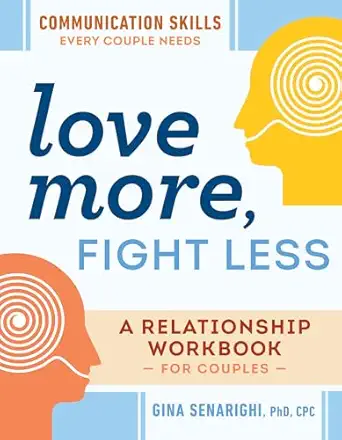 | Best for Communication Skills | Format: Relationship workbook | Audience: Couples | Topic: Communication skills | VIEW LATEST PRICE | See Our Full Breakdown |
| The Relationship Check-In Journal: Meaningful Conversation Starters for Couples |  | Best for Routine Relationship Check-Ins | Format: Couples journal | Intended audience: Couples | Prompt type: Meaningful conversation starters | VIEW LATEST PRICE | See Our Full Breakdown |
| All About Us: For the Two of You: Guided Journal |  | Best for Building a Shared Keepsake | Format: Guided journal | Intended users: Couples | Completion style: Designed for two people to complete together | VIEW LATEST PRICE | See Our Full Breakdown |
| Couples Therapy Workbook: Strategies to Connect, Restore Love and Trust, and Improve Communication and Intimacy |  | Best for Communication and Trust Work | Format: Relationship workbook | Intended users: Couples | Primary focus: Connection, love, and trust | VIEW LATEST PRICE | See Our Full Breakdown |
| Love Letters To You: A Guided Couples Journal with Relationship Questions, Prompts & Conversation Starters to Strengthen Connection |  | Best for Date Nights and Long-Distance Couples | Format: Guided couples journal | Intended users: Couples | Prompt types: Relationship questions, prompts, and conversation starters | VIEW LATEST PRICE | See Our Full Breakdown |
| Couples Journal for Him and Her: Fun and Deep Questions to Reflect and Strengthen Your Relationship | 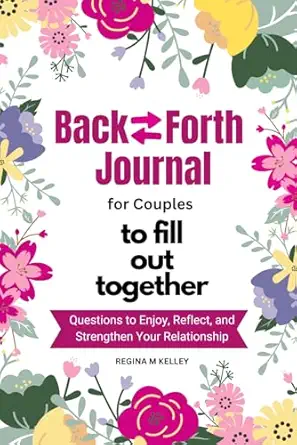 | Best for Mixing Reflection with Future Plans | Type: Guided journal | Audience: Couples | Completion style: Designed for partners to fill out together | VIEW LATEST PRICE | See Our Full Breakdown |
| Back and Forth Journal for Couples |  | Best for Playful Shared Writing | Format: Journal | Intended users: Couples | Approach: Playful | VIEW LATEST PRICE | See Our Full Breakdown |
| Tell Me More: A Guided Couples Journal |  | Best for Open-Ended Connection | Format: Guided couples journal | Intended users: Spouses and partners | Stated focus: Communication and connection | VIEW LATEST PRICE | See Our Full Breakdown |
| The Two-Pen Relationship Workbook for Couples: An 8-Week Program Built for Both of You |  | Best for Structured Relationship Growth | Format: Paperback workbook | Program length: 8 weeks | Exercise duration: 15 minutes | VIEW LATEST PRICE | See Our Full Breakdown |
| One Question a Day for You & Me: A Three-Year Journal – Daily Reflections for Couples |  | Best for a Daily Relationship Ritual | Format: Guided journal | Duration: 3 years | Prompt frequency: One question per day | VIEW LATEST PRICE | See Our Full Breakdown |
| Questions for Couples Journal: 400 Questions to Connect with Your Partner |  | Best for a Large Prompt Library | Format: Couples journal | Number of questions: 400 | Intended users: Couples | VIEW LATEST PRICE | See Our Full Breakdown |
| 52-Week Christian Couples Journal: Prompts and Prayers to Strengthen Your Relationship with Each Other and Your Faith |  | Best for Shared Faith and Relationship Growth | Format: Journal | Duration: 52 weeks | Focus: Relationship and faith building | VIEW LATEST PRICE | See Our Full Breakdown |
| couples journals for relationship growth | Format | ASIN | Intended users |
|---|---|---|---|
| Our Bucket List Adventures: A | Guided journal | 1950968839 | — |
| A Year of Us: A Couples Journa | Couples journal | B08ZNWX8WD | — |
| Back and Forth Journal for Hus | Shared journal | B0DF8NRGRC | — |
| Love More | Relationship workbook | 0593196651 | — |
| The Relationship Check-In Jour | Couples journal | B0BCSCZGNL | — |
| All About Us: For the Two of Y | Guided journal | — | Couples |
| Couples Therapy Workbook: Stra | Relationship workbook | — | Couples |
| Love Letters To You: A Guided | Guided couples journal | — | Couples |
| Couples Journal for Him and He | — | — | — |
| Back and Forth Journal for Cou | Journal | — | Couples |
| Tell Me More: A Guided Couples | Guided couples journal | B0GRFNDDFL | Spouses and partners |
| The Two-Pen Relationship Workb | Paperback workbook | B0HF8G2QG7 | Couples |
| One Question a Day for You & M | Guided journal | 1250163439 | Couples |
| Questions for Couples Journal: | Couples journal | 1646119525 | Couples |
| 52-Week Christian Couples Jour | Journal | 1685393543 | Christian couples |
More Details on Our Top Picks
Our Bucket List Adventures: A Couples’ Guided Journal
Our Bucket List Adventures puts shared plans and past memories at the center of relationship growth. Its guided format is a natural fit for couples who want to talk about what they hope to do together, then keep a record of experiences they value. Compared with A Year of Us, which relies on a daily question to build a conversation habit, this journal appears more focused on bigger-picture adventures and remembering them. That makes it better suited to partners who enjoy planning together than to couples seeking a structured daily check-in. The product details do not specify the number or style of prompts, so buyers cannot tell how much guidance each activity provides. Its emphasis on bucket-list plans may also leave less room for routine communication topics.
Pros:- Connects shared adventure planning with relationship reflection
- Offers a place to record and celebrate favorite memories
- Guided format gives couples a starting point for joint activities
Cons:- Prompt count and structure are not specified in the available product details
- Adventure planning may offer less support for routine relationship check-ins
Best for: Couples who enjoy setting shared goals, planning adventures, and recording meaningful memories together
Not ideal for: Partners seeking daily conversation prompts or a clearly specified communication-skills program
- Format:Guided journal
- Intended audience:Couples
- Focus:Shared adventures and life goals
- Memory keeping:Record and celebrate favorite memories
- Collection:Heirloom Story Books and Guided Journals
- ASIN:1950968839
Our verdict“Choose it if you want a guided way to plan shared experiences and preserve the memories you make.”
A Year of Us: A Couples Journal
A Year of Us gives couples a simple rhythm: one question each day for a year. That regular nudge can make conversation easier to sustain than an open-ended journal, especially for partners who like a small shared activity woven into everyday life. Compared with The Relationship Check-In Journal, whose routine conversation starters suggest periodic talks, this one spells out a daily cadence and a yearlong duration. The tradeoff is the commitment: couples who miss days or prefer occasional, longer discussions may find a daily prompt harder to maintain. The description says the questions aim to be both fun and meaningful, but it does not identify topic categories or how prompts deepen over time, so buyers looking for a specific communication curriculum may prefer a workbook.
Pros:- One-question-a-day format makes it easy to start a conversation
- A yearlong structure provides a clear shared routine
- Prompts are intended to balance fun with meaningful discussion
Cons:- Daily use may feel demanding for couples with inconsistent routines
- Available details do not describe prompt topics or progression
Best for: Couples who want a brief, repeatable prompt to spark conversation as part of their daily routine
Not ideal for: Partners who prefer flexible journaling or want a clearly described, skill-based communication program
- Format:Couples journal
- Prompt frequency:One question per day
- Duration:One year
- Intended audience:Couples
- Prompt style:Fun and meaningful conversation questions
- ASIN:B08ZNWX8WD
Our verdict“Pick it if a daily question feels like a manageable way to keep conversation active throughout the year.”
Back and Forth Journal for Husband and Wife
Back and Forth Journal for Husband and Wife is framed around exchanging thoughts, giving spouses a shared way to communicate in writing and build connection. Its playful approach may appeal to partners who find a page easier to open than a face-to-face conversation. Compared with Love More, Fight Less, which is explicitly a communication-skills workbook, this journal sounds more like a mutual exchange than a defined lesson plan. That lighter approach may suit couples looking for an approachable activity, but the available description gives no details about prompts, page layout, or how the back-and-forth works. Buyers who need a predictable structure or support with specific communication challenges have less information to judge whether it will fit. The husband-and-wife framing also makes its stated audience narrower than general couples journals.
Pros:- Designed for both spouses to contribute
- Written exchange can give partners time to reflect before responding
- Playful framing may make relationship conversations feel approachable
Cons:- Available details do not explain the format, prompts, or contents
- Its husband-and-wife framing may not fit every couple
- The depth and consistency of guidance are unclear
Best for: Married partners who want to exchange written thoughts in a playful shared journal
Not ideal for: Couples who need a clearly detailed prompt plan, a communication-skills curriculum, or a journal described for partners beyond husband and wife
- Format:Shared journal
- Intended audience:Husband and wife
- Use:Exchange thoughts
- Stated approach:Playful shared format
- Stated aim:Build connection and deepen the relationship
- ASIN:B0DF8NRGRC
Our verdict“Consider it if you are spouses seeking a playful written exchange and are comfortable with limited format details.”
Love More, Fight Less: Communication Skills Every Couple Needs
Love More, Fight Less is the most skills-focused choice in this group: the product is described as a relationship workbook for couples centered on communication. That framing makes it a more direct fit for partners who want guidance on how they talk through conflict than Our Bucket List Adventures, which centers on shared plans and memories. A workbook may feel more purposeful than a question journal, but the available product data offers no details about its exercises, length, or method. I would not assume a particular program or level of conflict support from the title alone. Couples looking mainly for light daily conversation may find A Year of Us a clearer match, since its prompt frequency and duration are specified. This pick suits buyers who prioritize communication skills and are comfortable with limited detail before choosing.
Pros:- Communication skills are its stated focus
- Workbook format signals a more structured approach than an open-ended journal
- Designed for couples to work on the subject together
Cons:- Available product data does not describe exercises or the approach
- Length and time commitment are not specified
- It may be more skills-focused than couples seeking casual conversation starters want
Best for: Couples seeking a workbook specifically framed around improving communication skills
Not ideal for: Partners who mainly want light daily prompts, memory keeping, or detailed information about exercises before choosing
- Format:Relationship workbook
- Audience:Couples
- Topic:Communication skills
- Title:Love More, Fight Less: Communication Skills Every Couple Needs
- ASIN:0593196651
- Exercise details:Not provided in the available product data
Our verdict“Choose it if communication skills are your main growth goal and the limited information about its contents is acceptable.”
The Relationship Check-In Journal: Meaningful Conversation Starters for Couples
The Relationship Check-In Journal is aimed at couples who want meaningful talks to become a regular part of their relationship. Its conversation starters offer a ready-made entry point, which can help partners get beyond the logistics of daily life without committing to a stated yearlong schedule. That flexibility contrasts with A Year of Us, where one question per day sets a specific cadence. The check-in focus also makes this a closer fit for recurring relationship conversations than Our Bucket List Adventures, which centers on goals and memories. The tradeoff is that the available details do not specify how often to use it or what topics the prompts cover. Couples looking for a defined routine or targeted communication exercises may want more information before choosing.
Pros:- Conversation starters give couples a concrete way to begin meaningful talks
- Designed around routine relationship check-ins
- Focuses directly on communication between partners
Cons:- Prompt frequency is not specified in the available details
- Topics and format are not described
- May offer less structure than a defined daily journal or skills workbook
Best for: Couples who want conversation starters for recurring talks about their relationship without a specified daily schedule
Not ideal for: Partners who want a known prompt cadence, a detailed skills workbook, or information about the journal’s topics before buying
- Format:Couples journal
- Intended audience:Couples
- Prompt type:Meaningful conversation starters
- Stated focus:Routine relationship check-ins
- Stated aim:Encourage communication and strengthen the relationship
- ASIN:B0BCSCZGNL
Our verdict“Pick it if you want prompts to support regular relationship conversations but prefer a schedule you can set yourselves.”
All About Us: For the Two of You: Guided Journal
All About Us: For the Two of You makes the most sense for partners who want guided conversations to become a record of their relationship. Its shared prompts give both people a clear starting point, which can help couples who find open-ended journaling awkward talk about memories and what matters to them. Compared with Couples Journal for Him and Her, which also includes bucket-list pages for planning future activities, this journal is more focused on documenting the relationship together. That makes it a stronger fit for reflection than for turning conversations into plans. The tradeoff is limited response space in some sections; couples with a lot to say may need to keep answers concise or continue elsewhere. Choose it for a prompted keepsake, and skip it if you want room for long entries.
Pros:- Shared prompts give both partners an easy starting point for conversation
- Encourages couples to record memories together
- Guided format can help partners who find blank-page journaling difficult
Cons:- Some sections have limited room for responses
- A shared format may leave less room for each partner’s separate reflections
Best for: Couples who want structured conversations and a shared written record of their relationship
Not ideal for: Partners who prefer long-form journaling or need generous space for detailed answers
- Format:Guided journal
- Intended users:Couples
- Completion style:Designed for two people to complete together
- Prompt type:Shared prompts and questions
- Primary focus:Exploring and documenting a relationship
- Keepsake use:Recording shared memories
Our verdict“Choose this journal if you want prompted conversations preserved as a keepsake and are comfortable keeping some answers brief.”
Couples Therapy Workbook: Strategies to Connect, Restore Love and Trust, and Improve Communication and Intimacy
Couples Therapy Workbook is the most focused choice here for partners who want to work on communication, trust, and intimacy rather than mainly collect memories. Its workbook approach points couples toward relationship skills and emotional validation, giving it a more problem-solving orientation than All About Us: For the Two of You, which centers shared prompts and keepsake making. That difference matters: couples seeking practical reflection around difficult patterns may prefer this subject matter, while those looking for light date-night conversation may find the emphasis weighty. The supplied product details do not specify a session plan, exercises, or how the material is organized, so buyers have less information about the day-to-day experience before choosing it. It is best suited to couples ready to discuss sensitive topics; it may not fit partners seeking a playful or purely memory-focused journal.
Pros:- Centers communication and intimacy as relationship growth topics
- Includes trust and emotional connection among its stated areas of focus
- Addresses validation in relationships
- Designed for couples to use around shared relationship concerns
Cons:- Its focus on restoring trust and love may feel heavy for couples seeking casual prompts
- Available product details do not describe the workbook structure or specific exercises
Best for: Couples who want guided reflection on communication, trust, intimacy, and emotional validation
Not ideal for: Partners looking for a light, playful keepsake or a clearly described step-by-step program
- Format:Relationship workbook
- Intended users:Couples
- Primary focus:Connection, love, and trust
- Communication topic:Improving communication
- Intimacy topic:Improving intimacy
- Additional topic:Validation in relationships
Our verdict“Pick this workbook if you want to focus on communication, trust, and intimacy, and prefer that emphasis to a memory-making journal.”
Love Letters To You: A Guided Couples Journal with Relationship Questions, Prompts & Conversation Starters to Strengthen Connection
Love Letters To You suits couples who want conversation prompts that can work in different settings, from an in-person date night to time apart in a long-distance relationship. Its mix of relationship questions, prompts, and conversation starters gives partners more cues for getting a discussion going than the lightly described Back and Forth Journal for Couples, whose emphasis is a playful page-by-page exchange. The stated use cases also make this a flexible pick for couples who want to capture memories alongside conversation. There is a tradeoff: partners who already enjoy improvising their talks may find a prompt-led format unnecessary or constraining. Product details do not specify a page count or a particular schedule, so this is best approached as a flexible conversation aid rather than a defined journaling program.
Pros:- Combines relationship questions, prompts, and conversation starters
- Stated use cases include both date nights and long-distance relationships
- Can support couples who want to record shared memories
- Guided format offers a starting point when conversation stalls
Cons:- Prompt-led conversations may feel restrictive to couples who prefer spontaneity
- Product details do not specify a schedule or journaling structure
Best for: Couples who want ready-made questions for date nights, long-distance conversations, and shared memory keeping
Not ideal for: Partners who prefer spontaneous conversation and do not want prompts to shape their discussions
- Format:Guided couples journal
- Intended users:Couples
- Prompt types:Relationship questions, prompts, and conversation starters
- Stated use case:Date nights
- Stated use case:Long-distance relationships
- Stated use case:Memory keeping
- Stated aim:Strengthening connection
Our verdict“Choose this journal if you want adaptable conversation starters for dates or time apart, and skip it if you prefer to talk without prompts.”
Couples Journal for Him and Her: Fun and Deep Questions to Reflect and Strengthen Your Relationship
Couples Journal for Him and Her combines conversation with an invitation to make plans: it pairs fun and deeper questions with bucket-list pages for shared adventures. That mix gives it a different job from All About Us: For the Two of You, which is framed around discussing and preserving relationship memories. Here, prompts can lead into something to do together, making the journal a better match for partners who want reflection to feed into future experiences. The variety may also help keep sessions from feeling uniformly serious. The tradeoff is that couples looking for sustained, focused work on trust or communication may prefer the subject-specific Couples Therapy Workbook. This journal is a paper-based guided option, so it will not suit partners who want to write and plan digitally.
Pros:- Combines fun questions with deeper reflection prompts
- Bucket-list pages connect discussion with shared activities
- Designed for couples to fill out together
- Supports both relationship reflection and adventure planning
Cons:- Paper journaling may not suit couples who prefer digital tools
- The mix of questions and bucket-list pages may feel less focused than a topic-specific workbook
Best for: Couples who enjoy alternating reflective questions with planning and recording shared adventures
Not ideal for: Partners who prefer digital journaling or want a workbook devoted to communication and trust skills
- Type:Guided journal
- Audience:Couples
- Completion style:Designed for partners to fill out together
- Question types:Fun and deep questions
- Activity:Discussion questions
- Activity:Reflection prompts
- Planning feature:Bucket-list pages
Our verdict“Choose this journal if you want reflective questions that can lead to shared plans, and prefer writing on paper.”
Back and Forth Journal for Couples
Back and Forth Journal for Couples is the lightest, least specifically described option in this group. Its playful, page-by-page framing may appeal to partners who want a low-pressure way to share thoughts and build connection without treating journaling like a structured relationship program. Compared with Couples Journal for Him and Her, which explicitly offers fun and deep questions plus bucket-list planning, this title gives buyers less detail about what prompts or activities to expect. That can make it feel more open-ended, but it also makes it harder to judge whether its content suits a couple’s needs before buying. The description presents it as a bonding activity rather than a focused tool for trust or communication work. Choose it for a playful shared ritual; look to the Couples Therapy Workbook for more targeted relationship topics.
Pros:- Designed specifically for couples
- Playful framing may make shared writing feel approachable
- Encourages partners to share thoughts and connect one page at a time
Cons:- Product details do not specify its prompts or topics
- Its playful approach may offer less direction for couples seeking focused relationship work
Best for: Couples who want a playful, low-pressure shared writing activity to support bonding
Not ideal for: Partners seeking clearly specified prompts, structured relationship exercises, or focused trust-building material
- Format:Journal
- Intended users:Couples
- Approach:Playful
- Activity:Sharing thoughts
- Stated aim:Deepening connection
- Framing:One page at a time
Our verdict“Pick this journal for a casual shared writing ritual, but choose a more clearly described workbook if you want targeted exercises.”
Tell Me More: A Guided Couples Journal
Tell Me More: A Guided Couples Journal is the least defined option here, which may suit partners who want a journal aimed at communication and connection without committing to a stated schedule or program. The available product details do not describe its prompts, layout, or activities, so I can’t compare its structure with confidence. That makes it a less predictable choice than The Two-Pen Relationship Workbook, which specifies an eight-week sequence of short exercises, or One Question a Day for You & Me, which sets a daily rhythm. The tradeoff is flexibility against uncertainty: couples seeking a gentle invitation to talk may welcome the broad focus, while those who need clear instructions or measurable progression have stronger-defined alternatives in this lineup.
Pros:- Designed to encourage communication between partners
- Focuses on deepening connection
- A guided journal format gives couples a shared reflection resource
Cons:- Available details do not specify the prompts or activities
- No program length or usage rhythm is provided
- Limited information makes it difficult to judge fit against more structured journals
Best for: Partners who want a couples journal centered on communication and connection and are comfortable choosing without details about its exercises or schedule
Not ideal for: Couples who need a clearly described prompt format, a set timetable, or specific activities for working through trust and conflict
- Format:Guided couples journal
- Intended users:Spouses and partners
- Stated focus:Communication and connection
- Specific activities:Not specified in the provided product details
- Program length:Not specified in the provided product details
- ASIN:B0GRFNDDFL
Our verdict“Choose this if you want a broadly communication-focused couples journal and are comfortable with limited detail about its format.”
The Two-Pen Relationship Workbook for Couples: An 8-Week Program Built for Both of You
The Two-Pen Relationship Workbook for Couples earns its place for partners who want a clear route through relationship work: its eight-week program pairs fill-in exercises with about 15 minutes of shared effort. The short sessions can make reflection easier to fit into busy weeks, while the listed topics—trust, conflict resolution, and connection—give the work a more skills-focused direction than One Question a Day for You & Me, which centers on daily conversation over a longer span. That structure is also the main tradeoff: both partners need to take part for the side-by-side format to work, and couples who prefer casual, open-ended prompts may find a scheduled workbook too prescriptive. I’d pick it for a defined period of mutual effort, not for a low-commitment conversation starter.
Pros:- Eight-week sequence gives couples a defined path through the material
- 15-minute exercises are designed to fit into busy schedules
- Side-by-side fill-in format gives both partners an active role
- Topics include trust, conflict resolution, and connection
Cons:- Requires commitment and participation from both partners
- A fixed program may feel restrictive to couples who prefer choosing prompts freely
- Short exercises may leave less room for extended written reflection
Best for: Partners ready to set aside brief, regular sessions together to work on trust, conflict, and closeness
Not ideal for: Couples looking for an informal journal that either partner can use independently or at an unpredictable pace
- Format:Paperback workbook
- Program length:8 weeks
- Exercise duration:15 minutes
- Exercise format:Fill-in exercises completed side by side
- Intended users:Couples
- Stated topics:Trust, conflict resolution, and connection
- ASIN:B0HF8G2QG7
Our verdict“Choose this workbook if you and your partner want a time-bounded plan with short, shared exercises on core relationship skills.”
One Question a Day for You & Me: A Three-Year Journal – Daily Reflections for Couples
One Question a Day for You & Me makes consistency its central idea: one thoughtful prompt each day gives couples a small opening for conversation and builds a three-year record of how their relationship changes. Compared with the more concentrated eight-week exercises in The Two-Pen Relationship Workbook, this journal spreads reflection across a much longer period and asks for a lighter daily habit. The resulting keepsake is a distinct strength for partners who enjoy looking back, but daily participation can turn into a chore when schedules differ or a question calls for more than the available writing space. I’d choose it for a couple who likes a steady ritual and brief entries; partners wanting focused work on a specific challenge may prefer the workbook’s defined program.
Pros:- One question a day provides a simple prompt for regular conversation
- Three-year duration creates a lasting record of shared reflections
- Daily format offers a gentler pace than an eight-week workbook program
Cons:- Daily completion requires a sustained habit from both partners
- Limited writing space may constrain detailed answers
- The long timeline may feel less focused for couples seeking change in a specific area
Best for: Couples who enjoy daily check-ins and want a brief written record of their relationship over several years
Not ideal for: Partners who dislike daily routines, need space for long reflections, or want a focused short-term relationship program
- Format:Guided journal
- Duration:3 years
- Prompt frequency:One question per day
- Intended users:Couples
- Activity:Daily reflections and answers together
- Writing space:Limited space for answers
- ASIN:1250163439
Our verdict“Choose this journal if you want a daily prompt and a keepsake record more than a concentrated relationship workbook.”
Questions for Couples Journal: 400 Questions to Connect with Your Partner
Questions for Couples Journal centers on range: its 400 questions give partners a substantial pool of prompts for reflection and conversation. That makes it a more flexible pick than One Question a Day for You & Me, whose daily structure sets a specific pace and stretches over three years. The tradeoff is that the available details don’t describe a sequence, timetable, or particular relationship topics, so couples may need to choose their own rhythm and direction. I’d favor this journal for partners who want many conversation openings to use when the moment suits them. Those looking for a guided program around trust and conflict will find clearer direction in The Two-Pen Relationship Workbook.
Pros:- 400 questions offer a wide selection of conversation prompts
- Prompts are intended to encourage reflection and connection
- Flexible question-led format can suit couples who prefer choosing their own pace
Cons:- The provided details do not describe a sequence or program
- Specific topics and question styles are not listed
- Couples seeking structured skills practice may want a more focused workbook
Best for: Couples who want a broad collection of questions to use at their own pace during conversations or shared reflection
Not ideal for: Partners who need a weekly plan, a daily habit structure, or specified exercises for working on particular relationship skills
- Format:Couples journal
- Number of questions:400
- Intended users:Couples
- Stated purpose:Reflection and conversation
- Program length:Not specified in the provided product details
- Prompt sequence:Not specified in the provided product details
- ASIN:1646119525
Our verdict“Choose this if you want a sizable set of relationship questions and prefer to set your own pace.”
52-Week Christian Couples Journal: Prompts and Prayers to Strengthen Your Relationship with Each Other and Your Faith
52-Week Christian Couples Journal combines relationship reflection with a shared faith practice, pairing weekly prompts with prayers across a full year. That focus gives it a clear audience and a more spiritual rhythm than the secular question collections in this roundup, such as Questions for Couples Journal. A weekly cadence may feel more manageable than the daily commitment of One Question a Day for You & Me, though it offers fewer touchpoints for couples who want frequent check-ins. Its faith-centered approach is also a real limit: partners who do not want prayer as part of relationship work are better served by the broader journals. I’d choose this for Christian couples who want reflection on their partnership and faith to share the same routine.
Pros:- 52-week format provides a weekly rhythm across a full year
- Combines relationship prompts with prayers
- Connects shared faith reflection with communication between partners
Cons:- Faith-based content may not suit couples who prefer secular material
- Weekly prompts provide less frequent engagement than a daily journal
- Couples seeking a focused conflict-resolution program may prefer a skills-based workbook
Best for: Christian couples who want a regular shared practice connecting relationship reflection with prayer and faith
Not ideal for: Nonreligious couples or partners who want secular prompts without prayer as part of the journal
- Format:Journal
- Duration:52 weeks
- Focus:Relationship and faith building
- Includes:Prompts and prayers
- Intended users:Christian couples
- Prompt frequency:Weekly
- ASIN:1685393543
Our verdict“Choose this journal if you and your partner want weekly relationship reflection grounded in Christian faith and prayer.”

How We Picked
My ranking logic starts with one question: does this journal actually change how a couple communicates over time? I weighted structure and progression most heavily — journals that build from easy prompts toward harder conversations tend to produce real growth, while random question lists plateau quickly. From there I evaluated prompt quality and depth, favoring questions that invite specific stories and honest reflection over generic fill-in-the-blanks, and sustainability, meaning whether a busy couple could realistically keep up with the format for its full duration.
I also compared build quality and design, since shared journals get passed around, written in two handwritings, and often kept for years — thin paper, cramped lines, and flimsy bindings are real problems here. Finally, I assessed audience fit: some journals assume a married Christian couple, others work for new daters or long-distance partners, and ranking them without acknowledging that would be misleading. Products ranked highest combine clear structure, genuinely thought-provoking prompts, and a format couples can maintain; lower-ranked picks still serve specific niches well.
| couples journals for relationship growth | Intended users |
|---|---|
| Our Bucket List Adventures: A | — |
| A Year of Us: A Couples Journa | — |
| Back and Forth Journal for Hus | — |
| Love More | — |
| The Relationship Check-In Jour | — |
| All About Us: For the Two of Y | Couples |
| Couples Therapy Workbook: Stra | Couples |
| Love Letters To You: A Guided | Couples |
| Couples Journal for Him and He | — |
| Back and Forth Journal for Cou | Couples |
| Tell Me More: A Guided Couples | Spouses and partners |
| The Two-Pen Relationship Workb | Couples |
| One Question a Day for You & M | Couples |
| Questions for Couples Journal: | Couples |
| 52-Week Christian Couples Jour | Christian couples |
Factors to Consider When Choosing Couples Journals For Relationship Growth
Before picking a couples journal, it helps to understand what separates the formats — and where buyers most often go wrong. These are the factors I would weigh before adding anything in this category to a cart.Structured Program Versus Open-Ended Prompts
The biggest mistake couples make is buying a format that mismatches their goal. If you want to change how you argue, apologize, or talk about money, you need a workbook with a week-by-week arc — that progression is what teaches skills, not the prompts themselves. Open-ended question journals are better suited to couples who already communicate well and simply want more intentional time together. A common failure mode is buying a therapy-style workbook when one partner only wanted a fun coffee-table book, then abandoning it by week two. Before purchasing, agree as a couple on whether you are maintaining a good thing or actively repairing one — the answer should drive the purchase.
Time Commitment and Realistic Habits
Journals range from one minute a day to an hour a week, and overestimating your joint capacity is the number-one reason these books end up half-finished. A three-year daily journal only works if you already share morning or bedtime rituals; a weekly journal fits couples who coordinate schedules but struggle to find daily overlap. Be honest about whether one partner will carry the habit — if so, a pass-back-and-forth format puts the burden on them to keep it moving. My advice for first-time buyers is to start with the smallest commitment that feels effortless, because a completed short journal builds momentum toward heavier ones, while an abandoned long one often kills the idea entirely.
Prompt Depth and Emotional Range
Flipping through prompt lists before buying tells you more than any product description. Strong journals mix playful questions, nostalgia prompts, and forward-looking conversations about goals, fears, and unspoken expectations. Weak ones lean on shallow fill-ins that produce one-word answers. Pay attention to whether the journal includes conflict-oriented prompts — questions about apologies, resentments, and needs — because books that avoid friction entirely tend to feel pleasant but inert. Also check whether prompts assume a long shared history; journals aimed at married couples can fall flat for newer partners who lack the memories being referenced.
Physical Build for Two Writers
This is an underrated differentiator: a couples journal is written in by two people, often simultaneously or in different moods, so layout matters more than in a solo journal. Look for generous line spacing, paper thick enough to prevent ink bleed-through, and a binding that lies flat when open. Pass-back journals benefit from clearly divided sections so each partner has their own space, while workbook-style journals need room for longer written exercises, not just one-line answers. A beautiful keepsake cover is nice, but a journal that fights you physically will get used less — prioritize function over aesthetics.
Faith, Values, and Audience Assumptions
Several popular couples journals are written from an explicitly Christian perspective, with prayers and scripture woven into the prompts. That is a feature, not a flaw, if it matches both partners — but it is a frequent source of disappointed reviews when only one partner shares the faith framework. Similarly, check whether a journal’s language assumes marriage, heteronormative roles, or cohabitation, since some titles are titled and written accordingly. When in doubt, preview the first few prompts; tone reveals audience assumptions faster than marketing copy does. Buying a values-neutral journal when you wanted a faith-based one — or the reverse — undermines the whole exercise.
One Journal Versus Two Matching Journals
A final consideration many buyers miss: some couples do better with individual journals they exchange rather than one shared book. Shared journals create a single keepsake but can bottleneck on whoever is slower to write, and some partners self-censor when writing in the same physical space. Separate journals or pass-back formats distribute ownership more evenly. If one partner is enthusiastic and the other reluctant, the pass-back structure tends to work better because each person answers on their own terms before handing it over. Match the physical format to your dynamic, not just to the prompts inside.
Frequently Asked Questions
Do couples journals actually improve relationships, or are they just a novelty?
The honest answer is that they work as amplifiers, not fixes. A journal with a structured program can teach concrete skills — how to phrase complaints without blame, how to ask for what you need — and research on guided communication exercises supports that benefit. But a book cannot compensate for a partner who refuses to engage, and in relationships with serious trust damage or ongoing conflict, a workbook is better used alongside actual couples counseling than instead of it. Where journals consistently help is with couples whose communication has gone flat from routine: the prompts create structured conversations that would not otherwise happen. If both partners are willing to be honest on paper, even a simple question journal tends to surface topics that have gone undiscussed for years.
Should we start with a daily journal or a weekly workbook?
Start with whichever rhythm matches an existing habit, because consistency beats intensity every time. If you already share coffee every morning or wind down together at night, a one-question-a-day journal slots in effortlessly and builds the writing habit with almost no friction. If your schedules barely overlap, a weekly workbook session — Sunday morning with coffee, for example — is far more realistic than trying to coordinate daily entries. The failure pattern I see most is couples buying a daily three-year journal on enthusiasm, missing a week by month two, and quitting out of guilt. A weekly format forgives missed sessions more gracefully, and daily formats only work when the ritual is nearly automatic.
What if my partner is reluctant or skeptical about journaling?
This changes what you should buy. Skip therapy-framed workbooks with a licensed-therapist tone, which can feel like homework or an accusation to a skeptical partner, and choose something with playful, low-stakes prompts — bucket list journals and light question books are the easiest entry points. The pass-back format helps too, because answering alone on your own time feels less performative than filling in answers side by side. Keep your own entries genuinely engaged rather than pressuring your partner to match your effort; most reluctant partners warm up after seeing honest, specific answers rather than perfunctory ones. And accept that a journal your partner will actually open beats a deeper one that stays on the shelf.
Are faith-based couples journals usable if only one partner is religious?
Generally, no — and this is one of the most common mismatches in the category. Faith-forward journals build prayer and scripture into the prompt structure itself, not just the introduction, so skipping those elements leaves gaps in the exercises and can make the non-religious partner feel like a spectator. A better approach for mixed-faith couples is a values-neutral journal, of which this list has plenty, supplemented by whatever faith conversations you already have. The exception is when the non-religious partner is genuinely open to exploring, in which case a faith-based journal can become a shared discovery project rather than a one-sided ritual. But buying it hoping your partner will convert through journaling rarely goes well.
Can a couples journal help long-distance partners, or do these assume living together?
Most couples journals are format-flexible enough for long-distance use, but some work far better than others. Question-a-day journals and prompt books transfer easily — you can text or video-call your answers — whereas pass-back journals are physically impractical unless you mail them or use them during visits. Workbook-style programs work well long-distance if you schedule them as video-call sessions, and many distance couples find that structure more valuable than local couples do because it creates a shared ritual that geography cannot. Check whether prompts assume shared physical space — questions about your home or daily routines need adapting. A few buyers even duplicate the same journal twice so each partner has an identical copy, which solves the pass-back problem entirely.
Conclusion
For most couples serious about growth, The Two-Pen Relationship Workbook earns the best overall spot with its structured 8-week program that builds real skills rather than collecting answers. The best value pick is One Question a Day for You & Me, whose three-year span delivers more sustained use per dollar than anything else on this list. Couples focused specifically on conflict should choose Love More, Fight Less, while first-time journalers will find the lowest barrier to entry with a playful pass-back option like Our Bucket List Adventures. For specific needs: 52-Week Christian Couples Journal for faith-centered couples, The Relationship Check-In Journal for partners who want scheduled meaningful conversations rather than a full program, and Questions for Couples Journal for anyone who wants maximum prompt variety without therapeutic depth. Whichever you choose, pick the format both partners will actually sustain — the journal that gets finished, even a simple one, always beats the ambitious one that goes untouched.