

Relationship communication tools fall into three broad camps: structured workbooks with daily exercises, conversation card decks that prompt dialogue, and skill-based books that teach frameworks you apply on your own schedule. After comparing 14 popular options, Love More, Fight Less stands out as the best overall pick because it balances actionable skills with a format couples actually finish, while Nonviolent Communication is the strongest choice if you want a deeper, root-cause framework rather than quick exercises. For couples short on time, The Couples Communication Workbook makes the most sense with its 20-minutes-a-day, 12-day structure. The main tradeoff in this category is depth versus practicality: the most rigorous tools demand more from both partners, while the easiest ones risk skimming the surface. Keep reading for the full breakdown of which tool fits your relationship.
Key Takeaways
- Books that teach transferable frameworks (Nonviolent Communication, The Talk Book) outlast exercise-based workbooks, but they require both partners to buy into the method — workbooks win on follow-through.
- Card decks like The Skin Deep {THE AND} and The Fair Play Deck work best as supplements, not primary tools; they spark conversation but don’t teach conflict-resolution skills.
- Time-commitment labels matter more here than in most categories: the 12-day Couples Communication Workbook gets finished, while 52-strategy handbooks often get abandoned after week two.
- Couples in active crisis (considering counseling) are better served by Reconnect and The Skin Deep Healing Edition than by general skill-building titles.
- Several budget titles overlap heavily in content; paying slightly more for a structured, dated program usually beats a longer list of undirected tips.
| Communication in Marriage Workbook: Exercises to Resolve Conflict and Improve Your Relationship |  | Best Hands-On Workbook | Format: Paperback workbook | Focus: Conflict resolution and communication exercises | Intended Audience: Married couples | VIEW LATEST PRICE | See Our Full Breakdown |
| Communicate Your Feelings (Without Starting a Fight): What to Say and What Not to Say to Your Partner |  | Best for Defusing Arguments | Format: Book | Focus: Expressing feelings without conflict | Approach: What-to-say / what-not-to-say scripts | VIEW LATEST PRICE | See Our Full Breakdown |
| Communication Miracles for Couples: Easy and Effective Tools to Create More Love and Less Conflict |  | Best Beginner-Friendly Introduction | Format: Paperback book | Focus: Practical communication tools for couples | Approach: Easy, quick-to-apply techniques | VIEW LATEST PRICE | See Our Full Breakdown |
| Nonviolent Communication: A Language of Life |  | Best Premium Framework (Deepest Methodology) | Format: Paperback book | Author: Marshall B. Rosenberg | Focus: Nonviolent Communication (NVC) framework | VIEW LATEST PRICE | See Our Full Breakdown |
| The Skin Deep {THE AND} Healing Edition – 199 Question Cards to Heal Strained Relationships |  | Best Conversation Starter Format | Format: Card deck | Brand: {THE AND} | Model: {THE AND} Healing Edition | VIEW LATEST PRICE | See Our Full Breakdown |
| The CBT Couples Toolbox: Over 45 Exercises to Improve Communication, Navigate Problems and Build Strong Relationships | 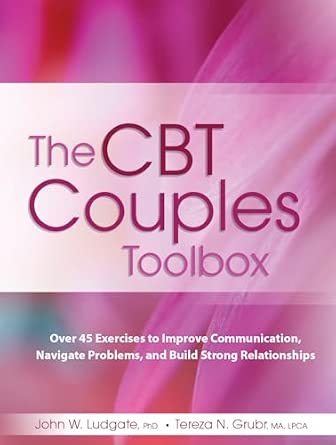 | Best for Evidence-Based Practice | Format: Paperback workbook | Number of Exercises: 45+ | Approach: Cognitive-behavioral therapy (CBT) | VIEW LATEST PRICE | See Our Full Breakdown |
| Love More, Fight Less: Communication Skills Every Couple Needs | 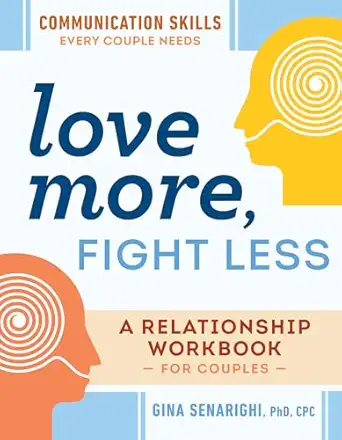 | Best All-Around Workbook | Format: Paperback workbook | Focus Areas: Communication skills, conflict reduction, relationship dynamics | Included Materials: Exercises and insights for couples | VIEW LATEST PRICE | See Our Full Breakdown |
| The Complete Communication Handbook for Couples: 52 Proven Strategies to Deepen Connection, Resolve Conflicts, and Build a Healthy Relationship |  | Best for Weekly Habit Building | Format: Book / handbook | Number of Strategies: 52 | Focus Areas: Connection, conflict resolution, relationship health | VIEW LATEST PRICE | See Our Full Breakdown |
| Couples Communication Workbook: 20 Minutes a Day for 12 Days to Improve Listening, Resolve Conflicts, and Strengthen Your Relationship |  | Best for Busy Couples | Format: Paperback workbook | Program Length: 12 days | Daily Time Required: 20 minutes | VIEW LATEST PRICE | See Our Full Breakdown |
| The Fair Play Deck: A Couple’s Conversation Deck for Prioritizing What’s Important |  | Best Low-Effort Conversation Starter | Format: Conversation card deck | Type: Couple’s conversation prompts | Focus Areas: Prioritization, values, shared goals | VIEW LATEST PRICE | See Our Full Breakdown |
| Communication Skills for Couples: Guide to Improve Communications, Resolve Conflict, Deepen Intimacy, Strengthen Marriage and Create a Healthy Relationship |  | Best Broad-Spectrum Marriage Guide | Format: Paperback / Kindle | Type: Self-help guide for couples | Focus Areas: Conflict resolution, intimacy, marriage strengthening | VIEW LATEST PRICE | See Our Full Breakdown |
| Reconnect: A Marriage Counseling Workbook |  | Best Structured Workbook for Doing the Work | Format: Print workbook | Type: Marriage counseling-style workbook | Focus Areas: Guided conversations, relationship repair, communication exercises | VIEW LATEST PRICE | See Our Full Breakdown |
| The Talk Book: with Six Prize-Winning Talk Tools That Strengthen Relationships and Repair Communication Breakdowns |  | Best Focused Toolkit for Repairing Breakdowns | Format: Paperback / digital | Type: Relationship communication guide | Focus Areas: Communication repair, conflict tools, relationship strengthening | VIEW LATEST PRICE | See Our Full Breakdown |
| Healthy Communication With Your Partner: Discover the Benefits of Communicating with Emotional Intelligence, Empathy & Effective Listening Skills to Turn Conflict into Connection |  | Best for Emotional Intelligence Foundations | Format: Kindle / paperback | Type: Self-help communication book | Focus Areas: Emotional intelligence, empathy, active listening, conflict reframing | VIEW LATEST PRICE | See Our Full Breakdown |
| relationship communication tool | Format | Approach | Focus Areas | Audience |
|---|---|---|---|---|
| Communication in Marriage Work | Paperback workbook | — | — | — |
| Communicate Your Feelings | Book | What-to-say / what-not-to-say scripts | — | — |
| Communication Miracles for Cou | Paperback book | Easy, quick-to-apply techniques | — | — |
| Nonviolent Communication: A La | Paperback book | Four-step method: observations, feelings, needs, requests | — | — |
| The Skin Deep {THE AND} Healin | Card deck | — | — | — |
| The CBT Couples Toolbox: Over | Paperback workbook | Cognitive-behavioral therapy (CBT) | Communication, conflict navigation, relationship building | Couples |
| Love More | Paperback workbook | Practical communication strategies | Communication skills, conflict reduction, relationship dynamics | Couples at any stage |
| The Complete Communication Han | Book / handbook | — | Connection, conflict resolution, relationship health | Couples |
| Couples Communication Workbook | Paperback workbook | — | Listening, conflict resolution, relationship strengthening | Couples |
| The Fair Play Deck: A Couple’s | Conversation card deck | Prompt-driven dialogue | Prioritization, values, shared goals | Couples |
| Communication Skills for Coupl | Paperback / Kindle | Practical strategies and techniques | Conflict resolution, intimacy, marriage strengthening | Couples and married partners |
| Reconnect: A Marriage Counseli | Print workbook | Structured activities and prompts | Guided conversations, relationship repair, communication exercises | Committed couples and married partners |
| The Talk Book: with Six Prize- | Paperback / digital | — | Communication repair, conflict tools, relationship strengthening | Couples experiencing recurring breakdowns |
| Healthy Communication With You | Kindle / paperback | Mindset and skill development | Emotional intelligence, empathy, active listening, conflict reframing | Individuals and couples in committed partnerships |
More Details on Our Top Picks
Communication in Marriage Workbook: Exercises to Resolve Conflict and Improve Your Relationship
Communication in Marriage Workbook earns its place as the most exercise-driven option in this lineup. Where Communicate Your Feelings (Without Starting a Fight) teaches you what to say, this workbook makes you practice saying it — a distinction that matters for couples who read advice but struggle to apply it in the moment. The structured exercises give partners a shared activity rather than a solo reading experience, which tends to lower defensiveness. Compared with The Skin Deep {THE AND} Healing Edition, which relies on open-ended question cards, this format suits couples who want concrete conflict-resolution reps rather than exploratory conversation. The tradeoff: thinner documentation means buyers are trusting the format on faith, and it lacks the established reputation of Rosenberg’s Nonviolent Communication.
Pros:- Exercise-based format turns concepts into practice
- Designed for couples to complete together, building shared accountability
- Focused specifically on conflict resolution, not general communication theory
- Low commitment compared with longer programs like the CBT Couples Toolbox
Cons:- Few detailed reviews make quality hard to verify before buying
- Thin public information about specific content and author credentials
Best for: Married couples who learn by doing and want structured exercises to work through together rather than theory to read alone
Not ideal for: Couples in crisis who need a proven, heavily reviewed methodology — this workbook’s limited track record makes it a gamble when stakes are high
- Format:Paperback workbook
- Focus:Conflict resolution and communication exercises
- Intended Audience:Married couples
- Structure:Practical exercises for couples
- Use Style:Interactive, done jointly with a partner
- ASIN:B0CY5TWS1F
Our verdict“This pick makes the most sense for married couples who want guided practice over passive reading, provided they’re comfortable betting on a lesser-known title.”
Communicate Your Feelings (Without Starting a Fight): What to Say and What Not to Say to Your Partner
This book stands out for its narrow, tactical promise: telling you exactly what to say and what not to say. Most titles in this roundup, like Communication Miracles for Couples, offer broad toolkits; this one drills into the single moment where relationships break down — raising a difficult feeling without triggering a fight. That script-first approach makes it a strong complement to a workbook like Communication in Marriage Workbook, which covers the practice but not the phrasing. It’s a better fit for partners who freeze up or blow up when emotions run high. The tradeoff is scope: buyers wanting deeper frameworks for empathy and listening will find Nonviolent Communication covers more psychological ground, and this title’s lack of ratings makes social proof thin.
Pros:- Script-based guidance is immediately usable in real conversations
- Addresses the specific failure point of raising feelings without escalation
- Short learning curve compared with theory-heavy alternatives
- Practical framing suits both dating and long-term couples
Cons:- Narrow focus leaves listening skills and deeper empathy underdeveloped
- Few customer ratings available to validate the advice
Best for: Partners who know what they feel but habitually phrase it badly, and want concrete scripts for loaded conversations
Not ideal for: Readers seeking a comprehensive relationship communication system — this is a sharp single-purpose tool, not a full curriculum
- Format:Book
- Focus:Expressing feelings without conflict
- Approach:What-to-say / what-not-to-say scripts
- Intended Audience:Couples and partners
- Use Style:Solo reading with applied phrasing
- ASIN:B08TB41C9C
Our verdict“Worth buying if your core problem is how conversations start going sideways, especially as a companion to a broader book.”
Communication Miracles for Couples: Easy and Effective Tools to Create More Love and Less Conflict
Communication Miracles for Couples is the gentlest on-ramp in this lineup. Its tools are easy to implement on day one, which separates it from Nonviolent Communication, where the concepts demand real study before they pay off. For a couple dipping a toe into relationship work for the first time, that accessibility matters more than depth. Compared with Communicate Your Feelings (Without Starting a Fight), it covers a wider range of situations — daily connection, not just conflict moments — though with less precision on any single one. The honest tradeoff: ease comes at the cost of depth, and readers with entrenched patterns may find the advice too light, at which point a workbook like the Communication in Marriage Workbook offers more structure. Results also assume consistent practice.
Pros:- Extremely accessible for beginners with no prior communication training
- Breadth of tools covers everyday connection, not just arguments
- Quick to read and apply without homework or exercises
- Encouraging tone reduces defensiveness between partners
Cons:- Shallow on the psychology behind the tools
- Requires sustained practice that casual readers may skip
Best for: Couples new to relationship books who want simple, low-effort tools they can try tonight
Not ideal for: Couples with deep-rooted conflict patterns — the lightweight advice may feel inadequate against serious problems
- Format:Paperback book
- Focus:Practical communication tools for couples
- Approach:Easy, quick-to-apply techniques
- Intended Audience:Couples, especially beginners
- Use Style:Solo or shared casual reading
- Outcome Focus:More connection, less conflict
- ASIN:1573245836
Our verdict“The right first book for couples starting from zero who would be intimidated by denser titles.”
Nonviolent Communication: A Language of Life
This is the heavyweight of the roundup — the foundational methodology that many other communication books quietly borrow from. Its four-step framework (observations, feelings, needs, requests) builds a genuine skill set that transfers beyond romance into work and family, which no other title here can claim. Compared with Communication Miracles for Couples, it demands far more from the reader; where that book hands you quick tools, Rosenberg asks you to relearn how you language emotion itself. That depth is the tradeoff: some readers find portions theoretical, and progress takes weeks, not an evening. For couples wanting a durable, evidence-informed system rather than tips, this option stands out as the investment pick; for those wanting quick fixes, the lighter titles above serve better.
Pros:- Foundational, widely cited methodology with decades of adoption
- Skills transfer to professional, family, and friendship contexts
- Builds lasting capability rather than one-off techniques
- Roots conflict in unmet needs, creating genuine empathy rather than tactics
Cons:- Concepts take sustained effort to internalize and apply
- Portions read as abstract or theoretical rather than actionable
Best for: Couples and individuals willing to study a rigorous framework that transforms communication across all relationships, not just romantic ones
Not ideal for: Readers wanting fast, situational fixes — the conceptual depth and practice required will frustrate anyone seeking immediate scripts
- Format:Paperback book
- Author:Marshall B. Rosenberg
- Focus:Nonviolent Communication (NVC) framework
- Approach:Four-step method: observations, feelings, needs, requests
- Intended Audience:Individuals and couples; general relationships
- Scope:Personal, professional, and romantic communication
- Learning Curve:Moderate to high; requires practice
- ASIN:189200528X
Our verdict“The deepest and most durable choice on this list for readers committed to real change rather than quick tips.”
The Skin Deep {THE AND} Healing Edition – 199 Question Cards to Heal Strained Relationships
This is the only physical, face-to-face interactive tool in the batch, and that changes everything about who it serves. Instead of reading about communication, couples actually communicate — the 199 questions prompt conversations about feelings, memories, and goals that partners rarely initiate on their own. Compared with The Fair Play Deck, which centers on logistics and priorities, this deck targets emotional repair in strained relationships, making it closer to guided dialogue than a game. It also sidesteps the biggest weakness of workbooks like Communication in Marriage Workbook: no homework, no reading, just structured conversation. The tradeoffs are real — both partners must be willing to engage, the topics stay locked to relationship territory, and it’s rated 18+ for mature emotional content.
Pros:- Bypasses reading resistance entirely — engagement replaces study
- 199 questions span feelings, memories, and goals for varied conversations
- Structured format makes hard topics easier to raise than improvising
- Physical cards create intentional, distraction-free couple time
Cons:- Effectiveness collapses if one partner won’t participate openly
- Limited strictly to relationship topics, offering no broader communication skill-building
Best for: Couples who avoid books entirely and want a structured, screen-free way to reopen difficult emotional conversations
Not ideal for: Couples where one partner resists emotional vulnerability — the cards only work when both people genuinely opt in
- Format:Card deck
- Brand:{THE AND}
- Model:{THE AND} Healing Edition
- Number of Cards:199 question cards
- Material:Cards
- Recommended Age:18 years and up
- Focus:Healing strained relationships and emotional reconnection
- Use Style:Interactive, two-person dialogue
- ASIN:B09D1SBH5F
Our verdict“The right choice for book-averse couples ready to talk — but only if both partners are genuinely willing to show up.”
The CBT Couples Toolbox: Over 45 Exercises to Improve Communication, Navigate Problems and Build Strong Relationships
What separates this workbook from lighter options like Love More, Fight Less is its grounding in cognitive-behavioral therapy. The 45+ exercises here aren’t just conversation starters — they’re structured activities borrowed from a clinical tradition with real research behind it. This pick makes the most sense for couples who want to understand why they fall into negative patterns, not just what to say during an argument. Compared with the Couples Communication Workbook‘s 12-day sprint, this is a longer-term toolbox you can return to as new problems surface. The tradeoff is intensity: these exercises demand genuine effort and honest self-reflection, and couples expecting quick, feel-good prompts may find the pace heavy.
Pros:- Over 45 structured exercises offering long-term value
- Grounded in cognitive-behavioral therapy techniques
- Addresses both communication and underlying thought patterns
- Reusuable as new relationship challenges arise
Cons:- Demands significant time and emotional commitment
- Sparse reviews make it harder to gauge real-world results
- Clinical tone may feel like homework rather than connection
Best for: Couples who want clinically rooted, exercise-heavy work and are willing to invest real time in it
Not ideal for: Couples seeking casual or low-effort communication prompts — the CBT framework requires active commitment
- Format:Paperback workbook
- Number of Exercises:45+
- Approach:Cognitive-behavioral therapy (CBT)
- Focus Areas:Communication, conflict navigation, relationship building
- Audience:Couples
- Time Commitment:Ongoing / long-term use
Our verdict“Choose this if you want therapy-grade exercises and won’t shy away from deeper emotional work.”
Love More, Fight Less: Communication Skills Every Couple Needs
This option stands out for striking the best balance between depth and accessibility in a crowded field of couples workbooks. Where The CBT Couples Toolbox goes deep into clinical territory, this book keeps things practical and approachable, pairing communication strategies with exercises couples can actually finish. It’s a stronger starting point than the Couples Communication Workbook for anyone unsure how much time they can commit, because the material flexes to your schedule rather than enforcing a 12-day structure. The tradeoff: it covers a wide range of skills without going deep on any single one, so couples with a specific recurring problem — say, chronic defensiveness — may outgrow it and need a more targeted resource.
Pros:- Balances strategy explanations with hands-on exercises
- Flexible structure fits varied schedules
- Addresses conflict reduction and connection together
- Accessible language for couples new to relationship books
Cons:- Broad coverage means less depth per topic
- Requires both partners to actively participate
- Limited detail available on included materials
Best for: Couples wanting a well-rounded, flexible workbook covering everyday communication skills
Not ideal for: Couples dealing with one severe, specific conflict pattern — the broad approach may feel surface-level
- Format:Paperback workbook
- Focus Areas:Communication skills, conflict reduction, relationship dynamics
- Included Materials:Exercises and insights for couples
- Approach:Practical communication strategies
- Audience:Couples at any stage
- Time Commitment:Self-paced
Our verdict“The most versatile pick here — a sensible default for couples starting communication work without a specific crisis.”
The Complete Communication Handbook for Couples: 52 Proven Strategies to Deepen Connection, Resolve Conflicts, and Build a Healthy Relationship
The 52-strategy structure is the selling point: one strategy per week for a full year turns communication improvement into a sustainable habit rather than a one-time push. Compared with The Fair Play Deck, which relies on spontaneous card-driven conversations, this handbook gives couples a predictable weekly rhythm — useful for partners who do better with routine than with improvisation. Each strategy targets connection, conflict, or relationship health, so the coverage is broad. The drawbacks are real, though: this is a newer release with limited review history, and the format details are thin, so buyers can’t fully verify depth before purchasing. It also reads more than it exercises, so hands-on couples may want a workbook alongside it.
Pros:- 52 strategies map naturally to a weekly routine
- Covers connection, conflict resolution, and relationship health
- Gradual pacing prevents overwhelm
- Proven-strategy framing gives each chapter a clear purpose
Cons:- Limited reviews and format details for a newer title
- Strategy-focused rather than exercise-heavy
- Slow pace for couples in acute conflict
Best for: Disciplined couples who thrive on weekly structure and want yearlong gradual improvement
Not ideal for: Couples wanting intensive exercises now — the one-per-week pace feels slow during active conflict
- Format:Book / handbook
- Number of Strategies:52
- Focus Areas:Connection, conflict resolution, relationship health
- Suggested Pace:One strategy per week
- Audience:Couples
- Time Commitment:Yearlong gradual program
Our verdict“Pick this if you and your partner respond well to steady, week-by-week progress over a full year.”
Couples Communication Workbook: 20 Minutes a Day for 12 Days to Improve Listening, Resolve Conflicts, and Strengthen Your Relationship
No other product in this lineup matches the time efficiency here: 20 minutes a day for 12 days is a total commitment of just four hours. That makes it the clear choice for couples who’ve failed at longer programs before — where The CBT Couples Toolbox asks for sustained effort across 45+ exercises, this workbook wins on sheer doability. The structure removes the most common failure point in couples work: deciding what to do each session. The tradeoff is depth. Twelve short sessions can introduce strong listening habits, but they can’t untangle entrenched conflict patterns the way longer, more clinical resources can. Couples with serious recurring fights should treat this as a warm-up, not a solution.
Pros:- Very low time commitment at 20 minutes daily
- Fixed 12-day structure removes decision fatigue
- Targets listening skills specifically
- Short exercises are easy to complete consistently
Cons:- Brief program limits depth of change
- Requires daily consistency from both partners
- Limited information on supplementary resources
Best for: Busy couples or program-dropouts who need a short, clearly bounded commitment
Not ideal for: Couples with deep-rooted conflict patterns — 12 days scratches the surface
- Format:Paperback workbook
- Program Length:12 days
- Daily Time Required:20 minutes
- Focus Areas:Listening, conflict resolution, relationship strengthening
- Structure:Guided daily exercises
- Audience:Couples
Our verdict“The best entry point for time-strapped couples who want a finishable program in under two weeks.”
The Fair Play Deck: A Couple’s Conversation Deck for Prioritizing What’s Important
This deck takes the opposite approach of every workbook here: instead of exercises and reading, it puts conversation prompts in card form, making it the lowest-barrier option in the roundup. Where The Skin Deep {THE AND} Healing Edition digs into emotional repair with 199 questions, the Fair Play Deck keeps its focus on prioritization — what matters most to each partner and where your values align or clash. That makes it better suited to planning-oriented couples than those processing pain. The format has genuine limits, though. There’s minimal instructional scaffolding, so couples who need guided structure will get more from Love More, Fight Less, and some prompts assume a level of openness that strained relationships may not yet have.
Pros:- Card format removes the intimidation of a full book
- Prompts focus on clarifying shared priorities and values
- Easy to pick up spontaneously without scheduling
- Encourages open dialogue in a low-pressure way
Cons:- Minimal instructions or facilitation guidance
- Some prompts need context couples may not have discussed
- Less depth than workbook-based alternatives
Best for: Couples who find workbooks intimidating and prefer casual, card-based conversations about priorities
Not ideal for: Couples in active crisis — the deck lacks the guided structure to navigate serious conflict
- Format:Conversation card deck
- Type:Couple’s conversation prompts
- Focus Areas:Prioritization, values, shared goals
- Approach:Prompt-driven dialogue
- Audience:Couples
- Time Commitment:Flexible, session-based
Our verdict“A smart pick for couples who’d rather talk over cards than work through chapters — as long as the relationship is on stable ground.”
Communication Skills for Couples: Guide to Improve Communications, Resolve Conflict, Deepen Intimacy, Strengthen Marriage and Create a Healthy Relationship
Of the general-purpose titles in this roundup, this one casts the widest net — conflict resolution, intimacy, and marriage-strengthening all get covered under one cover. That breadth is its main selling point over narrower picks like Communicate Your Feelings (Without Starting a Fight), which drills into a single skill, or Reconnect, which is exercise-driven rather than explanatory. Couples who want a readable overview first before committing to a workbook will find the structure here more approachable. The tradeoff is depth: a book covering this many topics can’t go as deep on any single one as The Talk Book does with its six tools. There’s also little visibility into the author’s credentials, so readers who value expert framing may prefer Rosenberg’s Nonviolent Communication. This pick makes the most sense for couples starting from scratch who want one primer instead of a shelf of books.
Pros:- Covers a wide range of relationship communication topics in one book
- Affordable and easy to fit into a reading routine
- Balances conflict resolution with intimacy-building
- Beginner-friendly tone that doesn’t assume prior knowledge
Cons:- Lacks verified author credentials or expert endorsements
- No customer reviews to gauge real-world effectiveness
- Broad coverage means less depth on any single skill
Best for: Newly married or newly committed couples who want a single affordable primer covering conflict, intimacy, and everyday communication
Not ideal for: Couples in crisis who need a structured, therapist-designed program — this is a light guide, not intensive repair work
- Format:Paperback / Kindle
- Type:Self-help guide for couples
- Focus Areas:Conflict resolution, intimacy, marriage strengthening
- Audience:Couples and married partners
- Approach:Practical strategies and techniques
- Reading Level:Beginner-friendly
- Price Point:Budget-friendly
Our verdict“A sensible first purchase for couples who want one general-purpose communication book rather than a specialized system.”
Reconnect: A Marriage Counseling Workbook
Where most titles in this roundup tell you about communication, Reconnect makes you practice it. The guided-conversation format puts it closer to The CBT Couples Toolbox and Love More, Fight Less than to the explanatory books, but its marriage-counseling framing gives it a more remedial, repair-oriented tone — this is the pick for relationships that feel distant, not just couples polishing good habits. Compared with The Skin Deep {THE AND} cards, which prompt disclosure through questions, Reconnect builds progressive exercises that compound over weeks. That’s also the tradeoff: it demands genuine commitment from both partners, and a half-interested partner will stall the whole process. The lack of public reviews and detailed content descriptions also means buyers are taking something of a leap. Still, for couples who want homework rather than theory, this format produces results that passive reading rarely does.
Pros:- Exercise-based format turns reading into actual practice
- Guided conversations lower the barrier to difficult topics
- Designed specifically for long-term relationship repair
- Structured progression builds skills week over week
Cons:- Requires sustained commitment from both partners to see results
- Minimal public reviews or detailed content previews
- Less useful for couples wanting quick, one-off fixes
Best for: Long-married couples feeling emotionally distant who are both willing to sit down and complete structured exercises together
Not ideal for: Couples where one partner is checked out — the workbook format collapses without mutual participation
- Format:Print workbook
- Type:Marriage counseling-style workbook
- Focus Areas:Guided conversations, relationship repair, communication exercises
- Audience:Committed couples and married partners
- Approach:Structured activities and prompts
- Time Commitment:Ongoing, multi-week engagement
- Price Point:Mid-range
Our verdict“The right choice for couples ready to do weekly paired work together instead of reading passively.”
The Talk Book: with Six Prize-Winning Talk Tools That Strengthen Relationships and Repair Communication Breakdowns
This option stands out for its tight, memorable framework: six named talk tools rather than dozens of scattered tips. That focus is a real advantage over sprawling picks like The Complete Communication Handbook for Couples with its 52 strategies — couples actually remember and deploy a handful of tools under stress, which is exactly when communication fails. The repair-oriented angle also distinguishes it from gentler titles like Communication Miracles for Couples; this is about fixing breakdowns that already exist, not just maintaining good habits. The tradeoff is age and format: this is an older title with limited marketing polish, sparse reviews, and little supporting material compared with newer workbooks like Couples Communication Workbook, which adds daily schedules. If a couple’s problem is recurring blowups rather than general drift, this focused toolkit is the sharper instrument — provided they don’t mind a less contemporary presentation.
Pros:- Six memorable tools are easy to recall during actual conflict
- Explicitly targets repairing existing communication breakdowns
- Award-winning framework adds credibility to the method
- Focused scope beats scattered tip collections for retention
Cons:- Older title with limited availability of reviews and ratings
- No companion exercises or workbook structure
- Presentation feels dated compared with newer releases
Best for: Couples stuck in repeated argument patterns who want a small, memorable set of tools they can actually use mid-conflict
Not ideal for: Buyers wanting a modern, review-backed workbook with schedules and exercises — this is an older, framework-focused read
- Format:Paperback / digital
- Type:Relationship communication guide
- Focus Areas:Communication repair, conflict tools, relationship strengthening
- Core Framework:Six talk tools
- Recognition:Prize-winning tools
- Audience:Couples experiencing recurring breakdowns
- Price Point:Varies by seller (used/new)
Our verdict“A focused repair manual best suited to couples whose arguments follow predictable, repeatable patterns.”
Healthy Communication With Your Partner: Discover the Benefits of Communicating with Emotional Intelligence, Empathy & Effective Listening Skills to Turn Conflict into Connection
This pick makes the most sense for buyers who believe the root of couple conflict is emotional skill, not technique. Its focus on empathy, emotional intelligence, and listening contrasts with tactic-heavy titles like Communicate Your Feelings (Without Starting a Fight), which teaches what to say, and with Nonviolent Communication, which shares the emotional grounding but comes with a heavier ideological framework attached. Here, the pitch is simpler: build the underlying capacity, and conflict converts into connection naturally. The reframing of conflict as connection material is its most useful contribution for couples who avoid disagreement altogether. The tradeoff is that mindset books change slowly — partners expecting scripts and quick phrases, as Communication Miracles for Couples delivers, may find this too abstract. Sparse reviews also mean limited social proof. It’s a strong complement to a workbook like Reconnect, or a standalone pick for reflective readers.
Pros:- Grounds communication in emotional intelligence rather than surface tactics
- Strong focus on empathy and listening as core skills
- Reframes conflict as an opportunity for connection
- Works for individual partners reading solo, not just couples together
Cons:- Mindset-focused approach produces slower, less visible results
- Few reviews available to confirm real-world impact
- Requires dedicated reading time and self-reflection
Best for: Reflective partners who want to build empathy and emotional intelligence as the foundation, rather than memorize conversation scripts
Not ideal for: Couples wanting immediate, tactical phrases to use tonight — this is a slow-build mindset book, not a phrasebook
- Format:Kindle / paperback
- Type:Self-help communication book
- Focus Areas:Emotional intelligence, empathy, active listening, conflict reframing
- Audience:Individuals and couples in committed partnerships
- Approach:Mindset and skill development
- Reading Style:Reflective, self-development oriented
- Price Point:Budget-friendly
Our verdict“Best for a self-aware partner working on the emotional foundations of communication rather than quick conversational fixes.”

How We Picked
I evaluated each tool against four buyer-relevant criteria: skill transfer (whether couples learn communication techniques they can use without the book open), format fit (how realistically the tool fits into a couple’s week), crisis suitability (whether it works for strained relationships or only healthy ones), and completion likelihood (a 300-page book nobody finishes helps no one). I also weighed how well each tool engages both partners — many communication books are read by one motivated partner while the other passively absorbs, which limits results.
The ranking favors tools that pair clear structure with genuinely usable techniques. Structured, time-boxed programs rank higher than open-ended tip collections, and tools backed by established frameworks (CBT, nonviolent communication) rank above generic advice compilations. Price factored in only as a tiebreaker, since most options in this category cost less than a single therapy session.
| relationship communication tool | Audience |
|---|---|
| Communication in Marriage Work | — |
| Communicate Your Feelings | — |
| Communication Miracles for Cou | — |
| Nonviolent Communication: A La | — |
| The Skin Deep {THE AND} Healin | — |
| The CBT Couples Toolbox: Over | Couples |
| Love More | Couples at any stage |
| The Complete Communication Han | Couples |
| Couples Communication Workbook | Couples |
| The Fair Play Deck: A Couple’s | Couples |
| Communication Skills for Coupl | Couples and married partners |
| Reconnect: A Marriage Counseli | Committed couples and married partners |
| The Talk Book: with Six Prize- | Couples experiencing recurring breakdowns |
| Healthy Communication With You | Individuals and couples in committed partnerships |
Factors to Consider When Choosing Relationship Communication Tools
Choosing a relationship communication tool is less about finding the “best” book and more about matching the format to your relationship’s current state and your partner’s willingness to participate. These are the factors that actually change outcomes.
Match the Tool to Your Relationship’s Severity
A couple wanting to sharpen already-good communication needs a very different tool than a couple on the brink of separation. Skill-building books work for stable relationships, while healing-focused tools with guided prompts suit strained ones. A common mistake is buying a light, upbeat title for a relationship in real distress — the tone feels dismissive and the exercises never land. Conversely, a heavy therapeutic workbook can feel alarmist for a couple that just argues about chores. Ask honestly: are you improving, repairing, or rebuilding? The answer should drive the pick more than any review score.
Will Your Partner Actually Participate?
The single biggest failure point is unilateral effort. Many communication books are bought by one motivated partner, read alone, and applied awkwardly — which sometimes makes things worse. Card decks and short daily workbooks have the highest partner buy-in rates because the ask is small and mutual. If your partner is skeptical, start with something low-commitment like a conversation deck rather than a 52-week program. It’s better to complete a modest tool together than to abandon an ambitious one. Also consider whether the book’s tone will resonate with your partner — some skew spiritual, some clinical, some conversational.
Workbook, Book, or Card Deck: Format Determines Follow-Through
Workbooks with dated schedules create accountability but demand scheduled joint time. Traditional books teach frameworks flexibly but rely on self-discipline. Card decks are the easiest to use repeatedly but teach the least. Buyers consistently underestimate the format question and overestimate their own consistency. A realistic rule: if you struggle to find 20 minutes together twice a week, choose a deck or a short program. If you already have a weekly check-in habit, a longer workbook adds structure to an existing routine rather than trying to create one from scratch.
Framework Credibility and Depth
Tools grounded in established methods — cognitive behavioral techniques, nonviolent communication, or Gottman-informed research — tend to produce skills that generalize beyond the exercises. Generic “tips for couples” books often feel good in the moment but fade quickly. That said, depth has a cost: framework-heavy books read slower and can feel academic. If one partner dislikes self-help jargon, a practical script-based book (“what to say and what not to say”) may outperform a more rigorous title. Match the intellectual register of the book to both readers, not just the buyer.
When to Pay More — and When It Doesn’t Matter
Most books in this category sit between $10 and $20, so price differences rarely signal quality. Card decks cost more ($25–$40) and justify it only if you’ll use them repeatedly. The real premium decision is books with healing-focused card decks versus standard workbooks — the former cost more but serve relationships that books can’t reach. Don’t pay extra for length: a 300-page book with 200 pages of filler is worse value than a tight 150-page program. The exception is reference-style handbooks designed for dipping in over a year, where volume is the point.
Using Tools Alongside (Not Instead of) Counseling
Several of these products are written by therapists and explicitly designed as complements to counseling, while a few market themselves as counseling substitutes. Be wary of any tool promising to replace professional help for serious issues like infidelity, contempt, or recurring resentment — self-guided tools work best for prevention and maintenance. If you’re already in couples therapy, a workbook can structure homework between sessions; tell your therapist what you’re using. If therapy is financially out of reach, the counseling-style workbooks in this list are the closest substitute, but set realistic expectations about pace.
Frequently Asked Questions
Can a book or card deck really fix communication problems, or do we need a therapist?
For mild to moderate conflict patterns — recurring arguments, poor listening, avoidance — structured tools genuinely help, because most couples lack technique rather than goodwill, and technique is teachable. Where self-guided tools fall short is when there’s active contempt, betrayal, or one partner has already emotionally checked out; those dynamics need a neutral third party. A reasonable test: if you can both sit down and complete one exercise together without the session itself becoming a fight, a book is a viable starting point. Many couples also use these tools as a low-cost first step before deciding whether counseling is warranted, which is a legitimate use. Just treat any product promising to replace therapy for serious issues with skepticism.
My partner is reluctant — which format has the best chance of getting them involved?
Card decks have the highest participation rate because they frame the activity as a game or conversation rather than homework, and there’s no reading assignment or “workbook” stigma. Short, time-boxed workbooks are the second-best bet: asking someone for 20 minutes a day for 12 days is a concrete, finite request. Avoid long handbooks and framework-heavy books for a reluctant partner, since those signal a major project and often trigger resistance. Also let the reluctant partner choose between two or three pre-vetted options — shared ownership dramatically increases follow-through. Starting small and succeeding beats starting ambitious and quitting in week one.
What’s the difference between the workbooks in this roundup — aren’t they all the same?
The differences are mostly structural rather than topical. Some are dated programs (12 days, 52 weeks) that build accountability; others are strategy collections you dip into as needed. Some are grounded in specific clinical frameworks like CBT, while others offer general exercises. Dated programs suit couples who want momentum and an end point; strategy collections suit couples who want a reference for specific recurring problems. There’s also a tonal split — therapeutic and reflective versus practical and script-based — which matters as much as content. Read the structure, not just the subtitle, before choosing.
Are question card decks a serious communication tool or just a fun novelty?
They’re legitimate, but with limits. Decks excel at opening conversations that couples don’t spontaneously have — vulnerability, unspoken expectations, division of labor — and they do it in a low-pressure format. What they don’t do is teach conflict-resolution technique, so a deck won’t help much mid-argument or with entrenched patterns. The best use is as a maintenance tool for connection, or as an entry point for a partner who resists books. Healing-focused decks sit closer to guided therapy prompts and can surface buried issues, so be prepared for heavier conversations than a standard date-night deck. Pairing a deck with a skills workbook covers both connection and technique.
Should we read the book together or can one partner read it alone?
Reading together produces better results because communication is a two-person system, and exercises done solo tend to get applied unilaterally — which can feel like one partner is “doing the work” and grading the other. That said, solo reading is far from useless: one partner learning to listen differently and de-escalate often changes the couple’s dynamic on its own. If you read alone, avoid quoting the book at your partner mid-argument, which reliably backfires. A workable middle path is reading solo, then inviting your partner into specific exercises rather than the whole program. Expect slower change with the solo route, not no change.
Conclusion
For most couples, Love More, Fight Less is the best overall choice — it teaches concrete, usable skills without demanding a huge time commitment, which is exactly where most couples fail. On value, Love More, Fight Less and Communicate Your Feelings (Without Starting a Fight) deliver the most practical guidance per dollar, with the latter being ideal if you want scripts over theory. For beginners or skeptical partners, The Couples Communication Workbook and its 12-day, 20-minute format is the gentlest on-ramp in the lineup. The premium pick is The Skin Deep {THE AND} Healing Edition — it costs more than any book here but reaches emotional territory that printed exercises rarely touch, making it the right call for strained relationships alongside Reconnect for couples who want a counseling-style workbook. Finally, if you want depth over speed, Nonviolent Communication remains the most intellectually rigorous option, best for couples willing to invest in a framework they’ll use for life. Match the tool to your relationship’s condition first, format second, and price last.