

The best relationship enhancement books split into two camps: structured workbooks you complete together over weeks, and insight-driven guides you read to understand why your relationship feels the way it does. After comparing twelve popular titles, The Two-Pen Relationship Workbook for Couples stands out as the best overall pick thanks to its realistic 15-minute exercises and clear eight-week path. Couples in crisis should look at Save Your Relationship, which focuses specifically on repairing trust and emotional disconnection, while partners wanting to rebuild physical intimacy will get more from Love Worth Making. The main tradeoff is depth versus convenience — workbooks demand commitment from both partners, while single-reader guides work even when only one of you is motivated. Read on for the full breakdown of all twelve books and who each one suits best.

Get gifts for the two of you delivered free — and shop member deals
- Fast, free delivery on millions of items
- Access to Prime Big Deal Days deals on October 6–7
- Prime Video, Amazon Music and more included
Key Takeaways
- Structured eight-week workbooks (The Two-Pen Relationship Workbook and the Relationship Workbook for Couples) deliver better outcomes for couples who will both commit 15 minutes a day — but they fail when only one partner participates.
- The biggest gap in this category is between repair-focused books (Save Your Relationship, The Relationship Reset) and growth-focused books (Mindful Relationship Habits, The Relationship Blueprint) — buying the wrong type for your situation is the most common mistake.
- Two titles serve solo readers: Four Relationship Styles explains attachment patterns for someone dating or reflecting alone, and Falling In Love With Me centers self-work as the foundation for healthier partnerships.
- Only one book in the lineup addresses sexuality directly and respectfully for long-term couples — Love Worth Making — making it the clear choice when desire, not communication, is the core issue.
- Marriage Enhancement: Resource Guide 2 and 24 Qualities of a Healthy Relationship work best as reference material rather than cover-to-cover reads, which limits their value for couples wanting a guided program.
| The Two-Pen Relationship Workbook for Couples: An 8-Week Program with 15-Minute Exercises |  | Best Overall | Format: Paperback workbook | Program Length: 8 weeks | Exercise Duration: 15 minutes per session | VIEW LATEST PRICE | See Our Full Breakdown |
| Falling In Love With Me – Mutual Enhancement: The Key to Healthy Fulfilling Relationships |  | Best for Self-Work First | Format: Book (digital/print edition) | Reading Model: Solo reader | Core Concept: Mutual enhancement | VIEW LATEST PRICE | See Our Full Breakdown |
| Love Worth Making: How to Have Ridiculously Great Sex in a Long-Lasting Relationship |  | Best for Intimacy and Passion | Format: Paperback/hardcover book | Primary Focus: Long-term sexual intimacy | Approach: Psychology-based, communication-driven | VIEW LATEST PRICE | See Our Full Breakdown |
| Mindful Relationship Habits: 25 Practices for Couples to Enhance Intimacy, Nurture Closeness, and Grow a Deeper Connection |  | Best for Low-Commitment Habit Building | Format: Paperback book | Content Structure: 25 discrete practices | Pacing: Self-directed, modular | VIEW LATEST PRICE | See Our Full Breakdown |
| Four Relationship Styles: How Attachment Theory Can Help You in Your Search for Lasting Love |  | Best for Understanding Your Patterns | Format: Paperback book | Framework: Attachment theory | Core Content: Four attachment/relationship styles | VIEW LATEST PRICE | See Our Full Breakdown |
| 24 Qualities of a Healthy Relationship (Mental & Emotional Wellness) |  | Best for Self-Assessment | Format: Book | Focus: Relationship qualities, mental and emotional wellness | Approach: Insight-based framework with practical advice | VIEW LATEST PRICE | See Our Full Breakdown |
| Save Your Relationship: The Psychology of Repairing Trust, Conflict, and Emotional Disconnection | 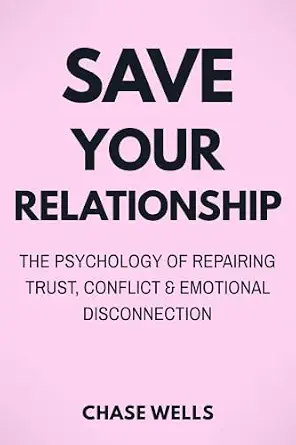 | Best for Crisis Repair | Format: Book | Focus: Trust repair, conflict resolution, emotional reconnection | Approach: Psychology-driven insight and strategy | VIEW LATEST PRICE | See Our Full Breakdown |
| Relationship Workbook for Couples: 8-Week Program and Proven Strategies to Rebuild Trust, Resolve Conflict, Improve Communication, and Rekindle Intimacy |  | Best Structured Program | Format: Workbook | Program length: 8 weeks | Focus: Trust, conflict, communication, intimacy | VIEW LATEST PRICE | See Our Full Breakdown |
| The Relationship Reset: Rebuild Trust, Improve Communication, and Strengthen Emotional Connection for Lasting Love | 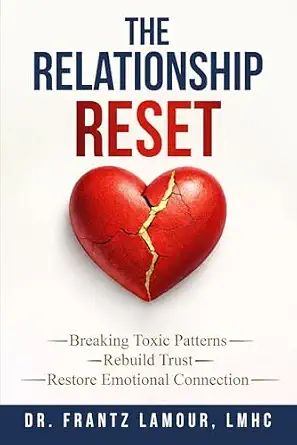 | Best for Gradual Improvement | Format: Book with exercises | Focus: Trust, communication, emotional connection | Approach: Self-paced strategies and exercises | VIEW LATEST PRICE | See Our Full Breakdown |
| The Passion Workbook for Couples: A Playbook to Spark Desire, Ignite Intimacy, and Experience a Sensual Explosion Like Never Before |  | Best for Rekindling Intimacy | Format: Workbook / playbook | Focus: Desire, intimacy, sensual connection | Approach: Exercises, prompts, and activities | VIEW LATEST PRICE | See Our Full Breakdown |
| Marriage Enhancement: Resource Guide 2 |  | Best Supplemental Marriage Resource | Format: Resource guide (print) | Target Audience: Married couples | Approach: Practical tips and strategies | VIEW LATEST PRICE | See Our Full Breakdown |
| The Relationship Blueprint: 10 Practical Steps to Build Love That Lasts |  | Best Simple Step-by-Step Framework | Format: Book (digital/print) | Structure: 10 practical steps | Target Audience: Couples building or maintaining a healthy relationship | VIEW LATEST PRICE | See Our Full Breakdown |
| relationship enhancement book | Format | Approach | Structure |
|---|---|---|---|
| The Two-Pen Relationship Workb | Paperback workbook | — | Guided weekly program |
| Falling In Love With Me | Book (digital/print edition) | — | Insight and advice driven |
| Love Worth Making: How to Have | Paperback/hardcover book | Psychology-based, communication-driven | — |
| Mindful Relationship Habits: 2 | Paperback book | — | — |
| Four Relationship Styles: How | Paperback book | Explanatory and diagnostic | — |
| 24 Qualities of a Healthy Rela | Book | Insight-based framework with practical advice | Organized around 24 distinct relationship qualities |
| Save Your Relationship: The Ps | Book | Psychology-driven insight and strategy | — |
| Relationship Workbook for Coup | Workbook | Structured weekly exercises | — |
| The Relationship Reset: Rebuil | Book with exercises | Self-paced strategies and exercises | Flexible, no fixed timeline |
| The Passion Workbook for Coupl | Workbook / playbook | Exercises, prompts, and activities | — |
| Marriage Enhancement: Resource | Resource guide (print) | Practical tips and strategies | Reference-style guide, not a sequential program |
| The Relationship Blueprint: 10 | Book (digital/print) | Actionable advice and strategies | 10 practical steps |
More Details on Our Top Picks
The Two-Pen Relationship Workbook for Couples: An 8-Week Program with 15-Minute Exercises
The Two-Pen Relationship Workbook earns the top spot because it turns vague relationship goals into a concrete weekly routine. The 15-minute exercise format solves the biggest failure point of couples’ books: finding time. Compared with Relationship Workbook for Couples: 8-Week Program, which covers similar trust and conflict territory, this option’s side-by-side two-pen design makes participation feel collaborative rather than homework-like. The tradeoff is real, though — the entire program collapses if one partner disengages, and there’s no digital companion for couples who prefer app-based tracking. This pick makes the most sense for partners who will genuinely commit eight weeks, not for someone hoping to read passively.
Pros:- 15-minute exercises fit easily into busy routines
- Side-by-side format encourages genuine collaboration
- Structured 8-week arc produces gradual, measurable progress
- Covers trust, conflict resolution, and connection in one program
Cons:- Requires consistent buy-in from both partners
- No digital or online companion component
Best for: Committed couples with busy schedules who want short, structured exercises they can do together weekly
Not ideal for: Couples where one partner is reluctant — the two-pen format requires full participation from both people
- Format:Paperback workbook
- Program Length:8 weeks
- Exercise Duration:15 minutes per session
- Structure:Guided weekly program
- Participation Model:Two-partner, side-by-side exercises
- Focus Areas:Trust, conflict resolution, closeness
- Digital Component:None
Our verdict“If both partners will show up for 15 minutes a week, this is the most actionable path to measurable relationship improvement in the lineup.”
Falling In Love With Me – Mutual Enhancement: The Key to Healthy Fulfilling Relationships
Most books in this roundup are written for two people; Falling In Love With Me takes the opposite approach by arguing that personal growth precedes partnership health. Where Mindful Relationship Habits gives you shared practices, this title is better suited to a solo reader — someone single, or a partner whose significant other won’t join a workbook program. Its concept of mutual enhancement reframes relationships as two people actively helping each other grow. The drawback: it’s concept-driven rather than exercise-driven, so readers who want checklists and weekly plans (like those in The Two-Pen Relationship Workbook) may find it thin on actionable structure.
Pros:- Can be read and applied by one partner alone
- Centers personal growth as the foundation of relationship health
- Framing of mutual enhancement applies to dating and long-term partnerships alike
Cons:- Minimal structured exercises or program format
- Sparse supplementary material and limited product information
Best for: Solo readers and individuals whose partner won’t participate in joint exercises but still want to improve the relationship
Not ideal for: Readers who want structured exercises — this is insight-heavy and light on step-by-step programming
- Format:Book (digital/print edition)
- Reading Model:Solo reader
- Core Concept:Mutual enhancement
- Focus Areas:Self-esteem, personal growth, relationship health
- Structure:Insight and advice driven
- Exercise Program:None
Our verdict“Choose this if your relationship work has to start with you alone rather than as a duo.”
Love Worth Making: How to Have Ridiculously Great Sex in a Long-Lasting Relationship
Among the intimacy-focused titles here, Love Worth Making stands apart because it treats desire as a long-term project rather than a quick spark. Compared with The Passion Workbook for Couples, which leans playful and exercise-based, this book goes deeper into the psychology of why passion fades in committed relationships and how communication drives physical connection. That depth is its strength and its limitation — readers wanting a light, game-style playbook will find the reflective tone slower. It also draws heavily on clinical and personal perspective, which some couples may find subjective. This pick makes the most sense for long-term partners who want sustained intimacy, not novelty fixes.
Pros:- Addresses the specific challenge of sustaining passion over years
- Connects communication skills directly to physical intimacy
- Written from a seasoned clinician’s perspective on long-term desire
Cons:- Reflective, discussion-heavy approach may feel slow for results-oriented readers
- Advice can feel subjective rather than programmatic
Best for: Long-term couples who feel physical connection has faded and want a thoughtful, communication-first approach to reviving it
Not ideal for: Couples seeking quick tips or playful exercises — the reflective tone demands real engagement
- Format:Paperback/hardcover book
- Primary Focus:Long-term sexual intimacy
- Approach:Psychology-based, communication-driven
- Best Use:Reading and discussion for established couples
- Exercise Program:None — reflective reading
- Perspective:Clinical/therapist-informed
Our verdict“The strongest choice in this roundup for couples who see intimacy as something to rebuild thoughtfully over time.”
Mindful Relationship Habits: 25 Practices for Couples to Enhance Intimacy, Nurture Closeness, and Grow a Deeper Connection
Where The Two-Pen Relationship Workbook asks for an eight-week commitment, Mindful Relationship Habits offers something more flexible: 25 standalone practices that couples can adopt individually or together. This pick makes the most sense for partners who bounced off a structured program, because you can sample one habit a week or cherry-pick what fits your relationship. Compared with The Relationship Blueprint, which organizes guidance into ten sequential steps, this format is genuinely modular. The tradeoff is depth — with 25 practices in one volume, none receive the sustained attention a dedicated 8-week program provides, and readers facing serious conflict will likely need something heavier, like Save Your Relationship.
Pros:- Modular format lets couples adopt habits at their own pace
- No weekly schedule or completion pressure
- Covers intimacy, closeness, and emotional connection in digestible pieces
Cons:- Each practice gets limited depth compared with full programs
- Lacks a cohesive progression for couples needing structured change
Best for: Busy or newly dating couples who want flexible, pick-and-choose practices instead of a rigid program
Not ideal for: Couples in crisis who need deep, sequential repair work — the modular format skims the surface
- Format:Paperback book
- Content Structure:25 discrete practices
- Pacing:Self-directed, modular
- Participation Model:Individual or joint use
- Focus Areas:Intimacy, closeness, deeper connection
- Program Length:None — open-ended
Our verdict“The easiest entry point in this roundup for couples who want improvement without a program-style commitment.”
Four Relationship Styles: How Attachment Theory Can Help You in Your Search for Lasting Love
Every other title in this roundup tells you what to do; Four Relationship Styles first explains why you relate the way you do. Grounded in attachment theory, it maps the four styles onto dating and partnership behavior, which makes it the clear choice for anyone stuck in repeating relationship patterns. Compared with Falling In Love With Me, which also centers self-work, this book offers a more established framework rather than a single guiding concept. The drawback is balance: it leans theoretical and diagnostic, so couples wanting immediate exercises should pair it with Mindful Relationship Habits or a workbook rather than expect a program on its own.
Pros:- Provides a proven psychological framework for self-understanding
- Especially useful for daters evaluating compatibility early
- Helps explain recurring conflict patterns in existing relationships
Cons:- Heavier on theory than hands-on practice
- Requires readers to do their own translation of insight into action
Best for: Singles and partners who keep repeating the same relational patterns and want a framework to understand why
Not ideal for: Readers who want exercises and quick action steps — this is explanatory groundwork, not a program
- Format:Paperback book
- Framework:Attachment theory
- Core Content:Four attachment/relationship styles
- Best Use:Self-understanding and partner selection
- Approach:Explanatory and diagnostic
- Exercise Program:None — insight-driven
Our verdict“Read this first if understanding your attachment pattern is the missing piece other relationship books haven’t addressed.”
24 Qualities of a Healthy Relationship (Mental & Emotional Wellness)
Most books in this roundup chase a specific crisis — trust repair, conflict, fading passion. 24 Qualities of a Healthy Relationship takes a different angle: it works as a diagnostic checklist of what a solid relationship actually looks like, quality by quality. Compared with The Relationship Reset, which dives straight into fixing problems, this one helps couples figure out which problems they actually have before choosing a fix. That framing makes this pick the most sensible starting point for couples who argue in circles without naming the underlying issue.
The tradeoff is that it stays at the level of insight rather than structure. There is no week-by-week program like the Relationship Workbook for Couples, so readers who want homework and measurable progress may find it too abstract. It works best paired with a workbook, not as a substitute for one.
Pros:- Framework of distinct qualities makes it easy to pinpoint specific weaknesses
- Practical advice bridges mental and emotional wellness, not just romance
- Accessible entry point for couples unfamiliar with psychology jargon
- Works well as a companion diagnostic read before a workbook
Cons:- No structured exercises or program, so progress depends on the reader’s initiative
- Broad scope means some qualities get shallow treatment
Best for: Couples in the early stage of trouble who want to identify what’s actually missing before committing to a structured repair program
Not ideal for: Couples mid-crisis who need immediate, step-by-step intervention — this book diagnoses rather than treats
- Format:Book
- Focus:Relationship qualities, mental and emotional wellness
- Approach:Insight-based framework with practical advice
- Structure:Organized around 24 distinct relationship qualities
- Audience:Individuals and couples
- Exercises:Limited — primarily reflective reading
Our verdict“Choose this if you want clarity on what a healthy relationship should look like before deciding how to fix yours.”
Save Your Relationship: The Psychology of Repairing Trust, Conflict, and Emotional Disconnection
Where The Relationship Reset offers a general tune-up, Save Your Relationship is built for the moment things are actively breaking. Its focus on the psychology of trust repair and emotional disconnection gives it more gravity than lighter habit-based titles like Mindful Relationship Habits, which assumes a relationship that is basically functional. Couples recovering from betrayal or chronic conflict get both an explanation of why the rupture happened and concrete strategies for rebuilding.
That depth is also the limitation. The psychological framing can feel clinical for couples who simply want practical prompts to reconnect, and it demands more emotional honesty than a casual reader may be ready for. If your relationship is stable and you’re chasing more closeness rather than repairing damage, this is more book than you need.
Pros:- Grounds repair strategies in psychological theory, not platitudes
- Addresses trust, conflict, and disconnection as connected problems
- Explicitly targets emotional reconnection, not just behavior change
- Suited to high-stakes situations other books treat too casually
Cons:- Clinical tone may feel cold for readers wanting warmth and reassurance
- Content depth and length are not clearly documented, making commitment hard to gauge
Best for: Couples recovering from a serious breach of trust, infidelity, or long-standing emotional distance
Not ideal for: Happy couples seeking light enrichment — the crisis-oriented psychology will feel heavy and unnecessary
- Format:Book
- Focus:Trust repair, conflict resolution, emotional reconnection
- Approach:Psychology-driven insight and strategy
- Best use case:Serious relationship crisis
- Audience:Couples in conflict or rebuilding trust
- Tone:Analytical and clinical
Our verdict“This is the pick when the relationship is genuinely at risk and you want a psychology-based repair manual rather than gentle encouragement.”
Relationship Workbook for Couples: 8-Week Program and Proven Strategies to Rebuild Trust, Resolve Conflict, Improve Communication, and Rekindle Intimacy
Among the workbooks in this lineup, this one earns its spot through raw structure. The 8-week program turns vague intentions into a calendar, covering trust, conflict, communication, and intimacy in sequence — a scope the Two-Pen Relationship Workbook matches with its own 8-week format, though this title spreads its attention across a wider set of goals rather than optimizing for short daily exercises. Compared with The Relationship Reset, which dispenses advice without a timeline, this format creates built-in accountability: couples know what to do each week and can see progress.
The catch is commitment. Eight weeks of paired exercises only works if both partners actually show up, and uneven participation is where programs like this tend to stall. Couples with chaotic schedules or a reluctant partner may be better served by a lighter read-first title before attempting a full program.
Pros:- Clear 8-week timeline creates momentum and accountability
- Covers trust, conflict, communication, and intimacy in one arc
- Practical exercises replace abstract advice with action
- Sequenced progression suits couples who like measurable milestones
Cons:- Demands sustained joint effort over two months
- Broad scope means any single topic gets less depth than a specialist book
Best for: Motivated couples who will genuinely commit to a defined multi-week program together
Not ideal for: Couples where one partner is disengaged or schedules rarely align — the program depends on consistent joint participation
- Format:Workbook
- Program length:8 weeks
- Focus:Trust, conflict, communication, intimacy
- Approach:Structured weekly exercises
- Participation:Requires both partners
- Audience:Couples ready for active work
Our verdict“If both partners are willing to do the work on a schedule, this is the most action-oriented path in the roundup.”
The Relationship Reset: Rebuild Trust, Improve Communication, and Strengthen Emotional Connection for Lasting Love
The Relationship Reset sits in the middle ground between the crisis intensity of Save Your Relationship and the rigid schedule of the Relationship Workbook for Couples. It offers practical strategies and exercises for trust, communication, and emotional connection, but leaves pacing to the reader rather than imposing an 8-week curriculum. That flexibility makes it the most forgiving option for couples who want to improve steadily without homework pressure.
The flip side of that flexibility is vagueness. Unlike the workbook’s dated program, this book’s guidance lacks a defined structure, and outcomes will vary with how much effort readers put in — a real weakness for couples who need external accountability to stay on track. It also covers the same trust-and-communication territory as several titles here, so it duplicates rather than differentiates if your shelf already includes a repair-focused book.
Pros:- Self-paced format suits irregular schedules
- Balances trust, communication, and emotional connection without a single narrow focus
- Lighter tone than crisis-oriented repair books
- Includes exercises, so it’s more than passive reading
Cons:- No defined program structure to enforce progress
- Overlaps heavily with other trust-and-communication titles in this roundup
Best for: Self-directed couples who want flexible guidance they can apply at their own pace
Not ideal for: Couples who need a rigid schedule or external structure — the freedom here becomes procrastination
- Format:Book with exercises
- Focus:Trust, communication, emotional connection
- Approach:Self-paced strategies and exercises
- Structure:Flexible, no fixed timeline
- Audience:Couples seeking steady improvement
- Tone:Practical and accessible
Our verdict“A solid middle-of-the-road choice for couples who want guidance with room to breathe, provided they can self-motivate.”
The Passion Workbook for Couples: A Playbook to Spark Desire, Ignite Intimacy, and Experience a Sensual Explosion Like Never Before
Every other title in this batch treats intimacy as one chapter among many. The Passion Workbook for Couples makes it the entire project. Through prompts, exercises, and playful activities, it targets desire and physical connection directly — a focus that distinguishes it from trust-first books like Save Your Relationship, and from the broader intimacy-and-habits approach of Mindful Relationship Habits. Compared with Love Worth Making, which explains the psychology of desire, this book is strictly experiential: less theory, more doing.
That single-purpose focus is also its constraint. It does not address the underlying conflict or trust problems that often cause passion to fade, so a couple fighting weekly will find sensuality prompts landing flat. It also requires genuine openness from both partners — a half-participating partner will blunt the exercises quickly.
Pros:- Sole focus on desire and physical intimacy gives it depth others lack
- Engaging prompts push couples past conversation into experience
- Playful tone lowers the awkwardness of intimacy discussions
- Strengthens emotional connection alongside physical closeness
Cons:- Ignores trust and conflict issues that often underlie lost passion
- Requires enthusiastic buy-in and openness from both partners
Best for: Stable couples whose relationship is healthy but whose physical connection has gone quiet
Not ideal for: Couples with unresolved conflict or trust damage — sensuality exercises won’t stick on top of active resentment
- Format:Workbook / playbook
- Focus:Desire, intimacy, sensual connection
- Approach:Exercises, prompts, and activities
- Participation:Requires active involvement from both partners
- Tone:Playful and experiential
- Audience:Couples in stable relationships
Our verdict“The clear pick for couples whose foundation is solid and who want to bring heat back — and the wrong one if deeper problems remain unaddressed.”
Marriage Enhancement: Resource Guide 2
Where most books in this lineup, like The Relationship Reset or the Relationship Workbook for Couples, take a single structured program approach, this guide positions itself as a broad reference tool for married couples who want tips and strategies they can dip into rather than work through week by week. That format suits partners who already have a functioning marriage and want incremental improvements, not a full rebuild.
The tradeoff is transparency. Compared with titles that lay out chapter-by-chapter frameworks, this guide offers limited detail on its specific topics, so buyers are choosing it on trust rather than a clear table of contents. It works best as a companion piece alongside a structured workbook, and less well as a standalone fix for a marriage in real distress.
Pros:- Practical, strategy-focused advice aimed squarely at married couples
- Reference format allows dipping in and out rather than committing to a program
- Works well as a supplement to a structured workbook like the Two-Pen Relationship Workbook
- Focused specifically on marriage rather than general dating relationships
Cons:- Sparse content description makes it hard to know what topics are actually covered before buying
- Lacks the structured week-by-week progression that repair-focused books provide
Best for: Stably married couples who want a lightweight reference of tips and strategies to browse between bigger commitments
Not ideal for: Couples in active conflict or crisis who need a structured, step-by-step repair program with clearly outlined content
- Format:Resource guide (print)
- Target Audience:Married couples
- Approach:Practical tips and strategies
- Structure:Reference-style guide, not a sequential program
- Primary Focus:Strengthening and improving the marriage partnership
- Depth:Overview-level advice with limited topic detail disclosed
Our verdict“A reasonable pickup for contentedly married couples wanting a casual reference — skip it if you need a defined program to address serious problems.”
The Relationship Blueprint: 10 Practical Steps to Build Love That Lasts
This pick stands out for simplicity. While the Relationship Workbook for Couples asks readers to commit to an eight-week program, The Relationship Blueprint condenses everything into ten practical steps — a format built for couples who want clear direction without a heavy time investment. If you liked the idea behind Mindful Relationship Habits but found twenty-five practices too many to track, ten steps is a much more manageable on-ramp.
The drawback is depth. With no detailed specifications or disclosed content breakdown, buyers can’t tell how thoroughly each step is developed, and the preventative framing — building love that lasts — means it’s better suited to healthy couples future-proofing their bond than to those repairing broken trust, where Save Your Relationship would serve better.
Pros:- Ten-step framework is easy to follow and remember compared to longer practice lists
- Actionable rather than theoretical — each step translates into something couples can do
- Low time commitment makes it realistic for busy schedules
- Preventative focus helps healthy couples build durability before problems emerge
Cons:- No detailed content description, so depth of each step is unknown before purchase
- Generalist framing means it won’t address serious issues like infidelity or entrenched conflict
Best for: Busy or newer couples who want a short, actionable framework they can actually finish and apply together
Not ideal for: Couples dealing with betrayal or deep disconnection who need trauma-aware repair content, not a general build-on-what-works guide
- Format:Book (digital/print)
- Structure:10 practical steps
- Target Audience:Couples building or maintaining a healthy relationship
- Approach:Actionable advice and strategies
- Primary Focus:Building lasting love and long-term relationship health
- Time Commitment:Shorter than multi-week workbook programs
- Content Detail Disclosed:Minimal — step-by-step breakdown not published
Our verdict“A solid choice for couples who want a quick, finishable action plan to strengthen a basically good relationship — not a substitute for dedicated repair resources.”

How We Picked
I evaluated each book against five criteria that actually predict whether a couple will finish and benefit from it. First, structure and time commitment: does the book offer a clear program with defined exercises, or does it expect readers to improvise? Second, evidence base: books grounded in attachment theory, established couples therapy models, or psychology research ranked higher than opinion-driven advice. Third, audience fit: some books assume a healthy relationship needing growth, while others assume a relationship in crisis — matching the book to the situation mattered more than raw quality. Fourth, usability for one versus two readers, since many buyers are shopping alone. Fifth, scope: whether the book covers communication, intimacy, trust, or a single dimension in depth.
The ranking reflects this logic. Books with structured, time-boxed programs that serve clearly defined situations rose to the top. Single-topic books ranked highly when they were the strongest option in their niche — Love Worth Making for physical intimacy, Four Relationship Styles for attachment insight. Reference-style guides and books with narrower, less actionable content placed lower, not because they lack merit, but because they demand more from the reader to produce results.
Factors to Consider When Choosing Relationship Enhancement Books
Before choosing a relationship enhancement book, it helps to understand how this category is organized and where buyers most often go wrong. The twelve books above serve very different situations, and the wrong match often gets abandoned by week two.
Repair or Growth: Match the Book to Your Situation
The single biggest mistake buyers make is grabbing a general-purpose relationship book when their relationship needs targeted repair work. Repair-oriented books assume broken trust, recurring conflict, or emotional distance — they spend chapters on de-escalation, rebuilding safety, and reconnection. Growth-oriented books assume a functional relationship and aim to deepen what already works. If there is active resentment, a conflict-resolution or trust-repair book will serve you far better than a habits-and-intimacy title. Be honest about which situation describes you before comparing features. A growth book given to a couple in crisis can feel dismissive, while a repair book given to a happy couple can imply problems that do not exist — an easy way to start an unintended argument.
Workbook or Reading Book: Who Will Actually Participate
Structured workbooks with timed exercises produce results only when both partners commit, and this is where most purchases stall. If your partner is skeptical or too busy, a book designed for a single reader to lead change — such as an attachment-style or self-development title — will create less friction and often still shifts the dynamic. Workbooks with short, time-boxed exercises are far more likely to be completed than open-ended journaling formats, so check the daily time requirement before buying. If you do choose a workbook, agree on a start date with your partner before the book arrives. A workbook that sits unread on a nightstand can itself become a source of tension, which is the opposite of what you paid for.
Psychology Grounding vs. Anecdotal Advice
Books in this space range from titles built on attachment theory and established therapeutic models to collections of personal opinion and inspirational writing. Neither is worthless, but they serve different purposes. Theory-grounded books explain why you and your partner behave the way you do, which makes the advice feel less like blame and more like a shared diagnosis. Anecdotal books can be motivating but tend to fade quickly because they lack a mechanism for change. If you have already read popular relationship titles and felt unchanged, the missing ingredient is usually a framework rather than more tips. Look for authors who explain the psychology behind each exercise, not just the exercise itself.
Intimacy Content: Check the Depth Before You Buy
Many buyers assume any relationship book will address physical intimacy, but most dedicate only a chapter or skip it entirely. If declining desire or sexual disconnect is the primary issue, a communication-focused workbook will frustrate you. Books that treat sexuality as a normal, ongoing part of long-term partnership — rather than a problem to fix — tend to be more useful and less awkward to read together. Also check the tone: some intimacy titles are clinical, others playful, and the mismatch can kill motivation. Couples recovering from trust breaches should sequence carefully — rebuilding emotional safety first, then desire — rather than expecting one book to handle both at once.
Program Length and Realistic Commitment
Eight-week programs dominate this category because they fit how behavioral change actually happens, but not every couple has eight weeks of shared discipline. Before buying, honestly estimate how many minutes per week you and your partner can give. A shorter program you finish beats an ambitious one you abandon, and some of the best results come from ten- to fifteen-minute daily formats precisely because they survive busy schedules. Books framed as reference guides let you dip in and out, which suits couples addressing specific recurring issues rather than seeking wholesale change. Read the program structure — daily, weekly, or on-demand — and match it to your actual routine, not your aspirational one.
Single-Reader Options for When Your Partner Will Not Join
Plenty of buyers are shopping alone, either because a partner is reluctant or because they are between relationships. This is a legitimate use case, and some books are built for it: attachment-style guides and self-development titles can change a relationship dynamic even when only one person reads them, because they change how you respond to conflict and connection. A solo reader forcing a couples workbook will end up doing both parts, which breeds resentment rather than insight. If your partner will not read with you now, choose a single-reader book and revisit the workbook idea later. Relationship change often starts with one person adjusting their patterns — the right book makes that possible.
Frequently Asked Questions
Can a relationship enhancement book actually fix a struggling relationship, or do we need a therapist?
A well-matched book can meaningfully improve communication, rebuild daily connection habits, and help couples understand conflict patterns — many couples see real change from a completed eight-week program. However, books work best for relationships with goodwill still intact, where both partners are willing to participate. If there is ongoing betrayal, contempt, abuse, or one partner has already checked out, a licensed couples therapist will do work a book cannot, and reading together may even become another arena for conflict. A sensible approach is to treat a book as a first step: if you complete a structured program and the same fights keep recurring, that is useful information for seeking professional help rather than a sign of failure.
My partner won’t read a relationship book with me — which option still helps?
Choose a book designed for a single reader rather than a couples workbook. Attachment-style guides work well here because they help you understand your own patterns and reactions, which changes the dynamic even when only one person shifts. Self-development titles in this lineup take the same approach from the angle of self-worth and emotional health. Expect indirect change rather than joint exercises: when one partner stops escalating, listens differently, or expresses needs more clearly, the other often responds in kind over weeks. Avoid buying a couples workbook and completing it alone — that tends to create pressure and resentment rather than progress.
Should we pick a workbook with a set program or a book we can dip in and out of?
It depends on your goal and your schedule discipline. A structured program with short daily or weekly exercises creates accountability and momentum, which is why they dominate the top of this comparison — behavioral change in relationships comes from repeated small actions, not one-off insights. Dip-in reference guides suit couples with a specific recurring issue, like a particular conflict pattern, or those who want material to revisit over years. The honest test is your track record: if you have abandoned programs before, a flexible format you will actually open beats an ambitious one you will not. Many couples keep one of each — a program to work through, and a reference for rough patches.
Are these books appropriate if we are dating rather than married?
Most of the top picks work well for committed dating couples, but a few are situation-specific. Marriage-focused resource guides and books centered on long-term repair assume deeper entanglement — shared finances, children, or a marriage in trouble — so a dating couple may find parts irrelevant. Attachment-style books are arguably most useful early on, since understanding your patterns before deep commitment can prevent repeating old mistakes. Workbooks with timed exercises work for dating couples who see each other regularly; long-distance couples should look for formats adaptable to calls. Check whether the examples and exercises assume cohabitation before committing to a full program.
How do we choose between a communication-focused book and one about intimacy and desire?
Diagnose which problem came first. If desire faded after years of unresolved conflict, poor communication, or emotional distance, a communication or connection-focused book addresses the root cause, and physical intimacy usually follows restored closeness. But if the relationship is warm and functional and the issue is specifically declining passion, a general communication workbook will feel like a detour — a title dedicated to long-term desire treats sexuality as its own subject with its own dynamics. Be careful with sequencing when trust has been broken: intimacy-first approaches work better after emotional repair. When in doubt, ask each other directly which gap feels bigger — the answer is often not what you expect, and that conversation itself is a useful starting point.
Conclusion
For best overall, The Two-Pen Relationship Workbook for Couples earns the top spot with its realistic 15-minute exercises and clear eight-week structure that couples actually finish. For best value, Mindful Relationship Habits delivers twenty-five practical practices without demanding a multi-week commitment. Couples facing a serious breach should treat Save Your Relationship as the best for repair, while Love Worth Making is the clear best for intimacy when desire is the specific issue. For beginners — readers new to relationship psychology or shopping alone — Four Relationship Styles offers the gentlest entry point through attachment theory, with Falling In Love With Me as the alternative when self-work is the priority. If you want a broader foundation, The Relationship Blueprint works as the best step-by-step program for building a lasting partnership from the ground up. Match the book to your situation, agree on the commitment with your partner, and start with the one designed for the problem you actually have.
Fall Picks
fall essentials
As an affiliate, we earn on qualifying purchases.