

Introspection and self-reflection are essential for understanding your emotional responses and improving your relationships. By exploring your feelings and past experiences, you can recognize patterns and develop emotional awareness. This process helps you communicate more clearly and manage conflicts more calmly. Building your self-awareness strengthens trust and fosters genuine connections. As you continue exploring, you’ll discover how self-reflection can guide you toward authentic love and deeper fulfillment with others.
Key Takeaways
- Self-reflection enhances awareness of emotional reactions, leading to healthier relationship interactions.
- Analyzing past conversations improves communication skills and reduces misunderstandings.
- Introspection helps assess and adjust unrealistic love ideals, fostering genuine compatibility.
- Developing emotional resilience through self-awareness supports patience and long-term relationship growth.
- Ongoing reflection deepens understanding of personal needs, strengthening trust and connection with partners.

Self-reflection in love is essential because it helps you understand your true needs, desires, and patterns in relationships. When you take the time to look inward, you become more aware of your emotional responses and how they influence your interactions. This process allows you to identify what truly matters to you, whether it’s trust, independence, or intimacy, and recognize the recurring themes that shape your romantic experiences. Developing emotional awareness is a cornerstone of this reflection. It enables you to notice how certain triggers or past experiences affect your feelings and behaviors. By understanding your emotional landscape, you can better manage your reactions, communicate more effectively, and avoid misunderstandings. Emotional awareness creates a foundation for honesty with yourself and others, fostering healthier connections.
Additionally, engaging in dynamic communication exercises can enhance your ability to express yourself clearly and listen actively, which are vital skills for nurturing a loving relationship. Equally important is honing your communication skills through self-reflection. When you analyze your past conversations and conflicts, you gain insight into how you express your needs and listen to your partner. Reflection helps you recognize patterns of miscommunication, such as passive-aggressiveness or defensiveness, and work on improving them. As you become more aware of your communication style, you start to articulate your feelings more clearly and listen with genuine empathy. This not only enhances your ability to connect but also reduces the likelihood of unnecessary disagreements. Self-awareness about your communication habits allows you to approach conversations with a calmer, more thoughtful mindset, making it easier to resolve conflicts and build trust.
Furthermore, introspection encourages you to examine your expectations and whether they’re realistic. Sometimes, you might hold onto ideals that don’t serve your growth or happiness. Reflecting on your beliefs about love helps you let go of unrealistic standards and embrace genuine compatibility. It also prompts you to consider how your past experiences influence your current patterns, enabling you to break free from unhealthy cycles. This ongoing process of self-assessment fosters emotional resilience and patience, which are vital for sustaining long-term love. When you understand your emotional needs and refine your communication skills, you’re better equipped to create a balanced, fulfilling relationship. Self-reflection isn’t a one-time task but an ongoing journey that deepens your understanding of yourself and your capacity to love authentically.

Let's Get Real Guided Journal with 240 Writing Prompts for Self Reflection, Personal Growth & Mindfulness, Undated Self Care Journal for Women & Men, Mental Health, Gratitude, Therapy & Wellness
240 WRITING PROMPTS ACROSS 12 SELF REFLECTION THEMES: From healing and confidence to boundaries and gratitude, more depth…
As an affiliate, we earn on qualifying purchases.
As an affiliate, we earn on qualifying purchases.
Frequently Asked Questions
How Can I Start Practicing Self-Reflection Effectively?
To start practicing self-reflection effectively, begin with mindfulness exercises like deep breathing or meditation to center yourself. Then, develop journaling habits by writing about your thoughts, feelings, and experiences daily. This practice helps you gain clarity and identify patterns in your behavior. Consistency is key—set aside a few minutes each day to reflect honestly without judgment, and over time, you’ll deepen your understanding of yourself and your relationships.
What Are Common Barriers to Honest Self-Assessment in Love?
You might struggle with honest self-assessment in love because of fear of judgment, which makes you hesitant to face your true feelings. Emotional avoidance can also block you from seeing your patterns clearly, as you tend to ignore uncomfortable truths. These barriers keep you from growth and understanding, but recognizing them is the first step toward overcoming them and cultivating healthier, more authentic relationships.
How Does Self-Awareness Influence Relationship Satisfaction?
Think of self-awareness as a mirror that reflects your true emotions and needs. When you understand your feelings and develop emotional intelligence, you communicate better and navigate conflicts more effectively. For example, a couple improved their relationship by honestly sharing their feelings, strengthening their connection. This awareness boosts relationship satisfaction because you build trust, foster empathy, and respond thoughtfully, creating a healthier, more fulfilling partnership.
Can Self-Reflection Help Resolve Past Relationship Issues?
Yes, self-reflection can help resolve past relationship issues by guiding you through emotional healing and trust rebuilding. When you examine your actions and feelings, you identify patterns and misunderstandings that may have caused hurt. This awareness allows you to address unresolved emotions, communicate more openly, and rebuild trust with your partner. Reflecting honestly empowers you to learn from the past, fostering healthier relationships and emotional growth.
What Role Does Vulnerability Play in Self-Discovery Within Love?
Vulnerability is like opening the floodgates of your soul, unleashing powerful insights that lead to self-discovery in love. When you embrace emotional openness, you build trust, allowing deeper connections to thrive. Vulnerability encourages honest reflection, helping you understand your true desires and fears. By trusting yourself and others enough to be vulnerable, you unlock authentic love and growth, transforming your relationships into resilient, beautiful bonds.

Love More, Fight Less: Communication Skills Every Couple Needs: A Relationship Workbook for Couples
As an affiliate, we earn on qualifying purchases.
As an affiliate, we earn on qualifying purchases.
Conclusion
So, ironically, the key to a thriving love life isn’t just finding the right person, but truly knowing yourself. As much as we chase after perfect partners, it’s your own self-awareness that shapes genuine connection. Remember, the more you reflect, the less you’ll need to search. Sometimes, looking inward reveals that the greatest love story starts with the person you see in the mirror. Who knew self-reflection could be the ultimate love hack?

Mind Brain Emotion 52 Essential Coping Skills Cards – Self Care Exercises for Stress and Social Anxiety Relief – Resilience, Emotional Agility, Confidence Therapy Games for Teens, Adults
Build skills, reduce stress: Powerful CBT, meditation, and somatic exercises to become organized, focused, confident. Overcome anxiety, anger,…
As an affiliate, we earn on qualifying purchases.
As an affiliate, we earn on qualifying purchases.
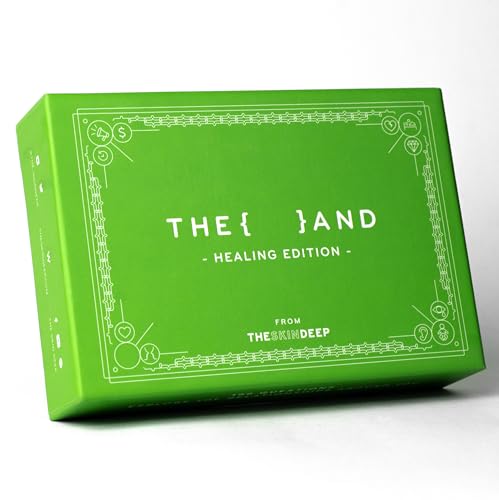
{THE AND} Healing Edition – 199 Question Cards to Heal Strained Relationships – Reconnect by Understanding & Releasing Hurt Feelings – Couple Card Game to Have Difficult Conversations By The Skin Deep
{THE AND} HEALING EDITION: The perfect game for healing strained relationships and releasing hurt feelings: The Healing expansion…
As an affiliate, we earn on qualifying purchases.
As an affiliate, we earn on qualifying purchases.