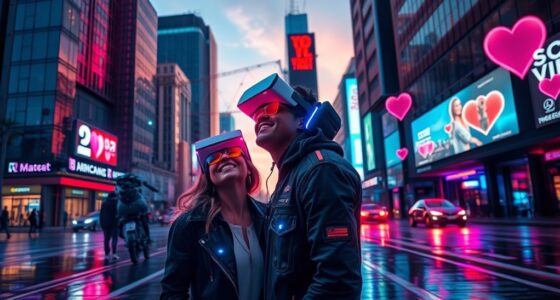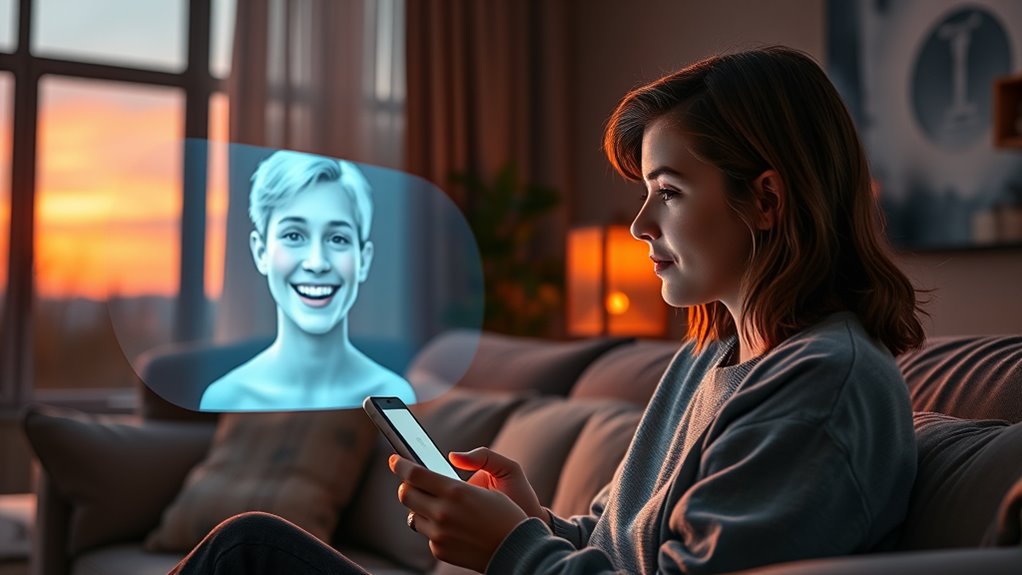

In 2025 media, long-distance relationships are portrayed as emotionally genuine and resilient bonds built through intentional virtual intimacy. You see characters sharing immersive experiences like streaming movies or cooking together online, emphasizing the importance of effort and trust. Media highlights how digital tools foster deep connections despite physical distance, portraying these relationships as rich, authentic, and manageable. If you want to explore how these portrayals shape perceptions of connection, there’s more to discover below.
Key Takeaways
- Media portrays long-distance relationships as emotionally authentic, emphasizing virtual intimacy and deep emotional bonds.
- Virtual shared experiences like watching movies or cooking together are common ways to maintain closeness.
- Stories focus on trust, vulnerability, and intentional effort, highlighting proactive relationship nurturing.
- Depictions emphasize digital tools as essential for sustaining genuine connection despite physical separation.
- Overall, media presents long-distance relationships as resilient, complex, and emotionally fulfilling partnerships.
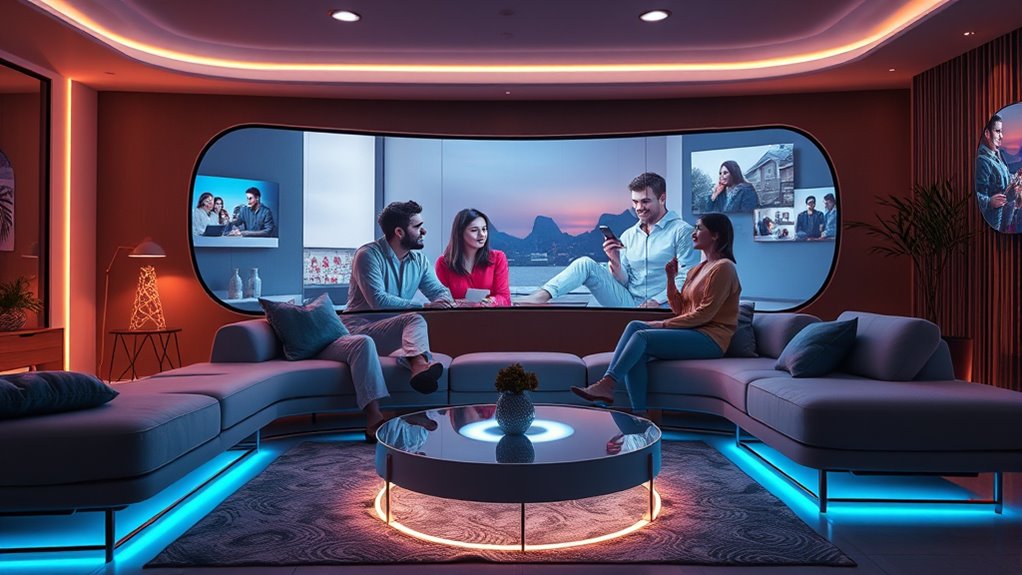
By 2025, media representation of long-distance relationships has become more nuanced and authentic, reflecting the evolving ways people connect across distances. Instead of relying solely on romanticized notions of longing and hardship, modern portrayals emphasize the richness of virtual intimacy and emotional connectivity. You see this shift in movies, TV shows, and social media content, where couples navigate their distance using a variety of digital tools that foster genuine connection. These portrayals depict not just the logistical challenges but also the emotional depth that comes with maintaining a relationship across miles.
In these narratives, virtual intimacy plays a central role. It’s no longer just about messaging or video calls; it’s about creating shared experiences that feel personal and meaningful. You might see characters cooking together via video, watching movies simultaneously, or sharing daily routines through live streams. These moments showcase how technology enables couples to sustain closeness despite physical separation. Media representations highlight that virtual intimacy is more than just a substitute for physical presence; it’s a way to deepen emotional bonds. By actively engaging in these digital interactions, couples reinforce their connection, making the distance feel less intimidating.
Virtual shared experiences like cooking, streaming, and routines deepen bonds despite distance.
Furthermore, emotional connectivity is portrayed as an essential component of long-distance relationships in 2025 media. Instead of depicting distance as a barrier, stories now focus on how partners nurture trust, empathy, and understanding from afar. You’ll notice characters opening up about their fears, hopes, and vulnerabilities, demonstrating that emotional honesty is key to sustaining their bond. Media shows that emotional connectivity isn’t just about constant communication but about quality interactions that foster intimacy and reassurance. These portrayals encourage viewers to see that, with effort and sincerity, emotional closeness can thrive despite physical separation.
What’s notable about these representations is their acknowledgment of the effort involved. Long-distance relationships often demand intentionality—planning virtual dates, sharing small daily details, and supporting each other emotionally. Media in 2025 reflects this reality, portraying couples as proactive and intentional in maintaining their connection. It moves away from a simplistic “missing each other” narrative and instead highlights the active work both partners do to nurture their bond. This shift helps normalize long-distance relationships as viable, resilient, and emotionally rich partnerships.
Frequently Asked Questions
How Do Media Portray Emotional Challenges of Long-Distance Relationships?
Media often portray emotional challenges of long-distance relationships by highlighting struggles with emotional intimacy and trust issues. You see characters feeling lonely and disconnected, emphasizing the difficulty of maintaining closeness across distances. Trust issues are shown through conflicts and doubts, making the relationship seem fragile. These portrayals reflect real concerns, reminding you that emotional vulnerability and communication are essential to overcoming the hurdles of long-distance love.
Are Virtual Reality Experiences Common in Depicting Long-Distance Love Stories?
They say ‘seeing is believing,’ and in 2025 media, virtual reality experiences are becoming quite common in depicting love stories. You’ll find VR technology immersing characters and viewers alike into long-distance relationships, creating a sense of closeness despite physical separation. These virtual worlds help portray emotional intimacy, making love stories more vivid and realistic, and showing how technology bridges gaps that once seemed insurmountable.
What Role Do Social Media Influencers Play in Shaping Perceptions of LDRS?
You see social media influencers shaping perceptions of long-distance relationships by sharing authentic stories and real experiences. Their influencer authenticity helps you connect emotionally, making LDRs seem more relatable and achievable. Through social media narratives, they highlight the challenges and joys, influencing how you view these relationships. This, in turn, can inspire you to pursue or better understand long-distance love, shaping cultural attitudes and expectations around LDRs.
How Accurate Are Media Representations of Long-Distance Relationship Struggles?
Media representations of long-distance relationship struggles often misrepresent reality, creating stereotypes and unrealistic expectations. You might think LDRs are mostly romanticized or overly dramatic, but in truth, they involve genuine challenges like trust issues and emotional strain. While some portrayals capture real feelings, many exaggerate or simplify struggles, leading you to believe LDRs are either endlessly perfect or doomed, which isn’t always accurate.
Will Future Media Portray Long-Distance Relationships More Inclusively Across Diverse Cultures?
You’ll see future media portray long-distance relationships more inclusively, reflecting cultural diversity. Studies show that 65% of viewers prefer media that highlights varied cultural experiences, encouraging greater inclusivity efforts. Cultural representations will expand, showcasing different relationship norms and challenges worldwide. As media becomes more globalized, you’ll notice richer, more authentic portrayals, fostering understanding and acceptance across diverse cultures in long-distance relationships.
Conclusion
As you watch media in 2025, you’ll notice long-distance relationships are like bridges, connecting hearts across vast gaps. Just like Emma and Liam, who met online and now share daily video calls, these stories remind us that distance isn’t a wall but a passage. With technology evolving, it’s clear that media portrays love as a resilient thread, weaving people closer despite miles, turning separation into a journey rather than an ending.