The science of attraction reveals that it’s mainly driven by subconscious chemical signals like pheromones and scent cues that evolved to help you find compatible mates. Your brain detects these invisible messengers, which influence your mood, physical responses, and instant feelings of chemistry. These signals reflect genetic fitness, immune diversity, and health, shaping attraction on a deep biological level. If you want to uncover how these hidden forces truly ignite chemistry, there’s more to explore.
Key Takeaways
- Attraction is primarily driven by subconscious chemical signals like pheromones that influence mood and physical responses.
- Our brain evaluates scent cues to assess genetic compatibility and immune system health for reproductive success.
- Physical reactions such as increased heart rate and pupil dilation are subconscious responses to biochemical signals.
- Evolution shapes these chemical signals to favor mates with desirable genetic traits, enhancing offspring viability.
- Instant chemistry often stems from these ancient, biochemical cues operating beneath conscious awareness.

Have you ever wondered what truly draws people to each other? It’s not just about looks or shared interests; a lot of it comes down to unseen forces operating beneath your awareness. At the core of attraction are chemical signals—tiny, invisible messengers that your body constantly sends and receives. These chemical signals influence your mood, preferences, and physical responses in ways you might not even realize. When you meet someone new, your brain is subtly analyzing these signals, picking up on scent cues, pheromones, and other biochemical clues that indicate compatibility. These signals are deeply rooted in your evolutionary instincts, which have been honed over millennia to help humans identify potential mates who are most likely to produce healthy offspring. Essentially, your body is wired to seek out signals that suggest genetic fitness, even if you’re not consciously aware of it.
Chemical signals beneath awareness guide attraction, rooted in evolution to find genetically compatible mates.
This biological process is incredibly efficient. Your sense of smell, for example, plays a vital role in detecting chemical signals. Even in the modern world, where we might rely more on conversation and appearance, your subconscious brain is constantly scanning for scent cues that align with your innate preferences. These preferences aren’t random; they’re the result of evolutionary pressures that favored individuals with strong immune systems, good health, and genetic diversity. When you encounter someone with a scent profile that complements your own, your brain interprets that as a positive signal of compatibility, often triggering feelings of attraction almost instantly. This subconscious evaluation helps explain why sometimes you feel an immediate spark with someone, even before anything is said.
Furthermore, these chemical signals also influence your biological responses—your heart rate may quicken, your pupils dilate, and you might feel butterflies in your stomach. These physical reactions are your body’s way of reacting to the signals that your brain perceives as promising indicators of a good match. It’s a finely tuned system that has evolved to prioritize reproductive success. The more aligned your chemistry is with another person’s signals, the stronger your mutual attraction tends to be. This process operates beneath your conscious awareness, yet it has a powerful impact on who you find compelling and how intensely you feel drawn to someone.
Understanding the role of chemical signals and evolutionary instincts reveals that attraction isn’t just a fleeting emotion or superficial attraction. It’s a complex biological dance shaped by millions of years of evolution, guiding you toward partners who are best suited to pass on your genes. So, next time you feel an instant connection or a sudden rush of chemistry, remember—it’s your body’s ancient, instinctive signals at work.

Pheromones Perfumes for Women,Long Lasting Roll on Perfume Oil 0.34 fl.oz
- Pheromone Formulation: Made with natural ingredients and pheromones
- Unique Fragrance: Blends floral and fruity notes for allure
- Long Lasting: Provides all-day captivating scent
As an affiliate, we earn on qualifying purchases.
As an affiliate, we earn on qualifying purchases.
Frequently Asked Questions
Can Attraction Change Over Time?
Attraction can definitely change over time, especially as your love languages and attachment styles evolve. You might feel more connected or less attracted as your emotional needs shift or as you understand each other better. When you adapt to each other’s love languages or work through attachment style differences, your feelings can deepen or, sometimes, fade. It’s a natural process that reflects growth and changing dynamics in your relationship.
How Do Pheromones Influence Attraction?
Ever wonder what invisible forces draw you to someone? Pheromones, as chemical signals, play a vital role in attraction by subtly influencing your subconscious. These signals originate from evolutionary factors that have developed over time to help species find compatible mates. When you encounter someone, their pheromones can trigger a response without you realizing it, deepening your connection through this primal, biological language that guides your feelings and instincts.
Does Physical Appearance Matter More Than Personality?
You might wonder if physical appearance matters more than personality. Generally, facial symmetry catches your eye first, but fashion choices reveal personality and confidence. While looks can create initial attraction, personality influences long-term connection. You’re drawn to someone whose facial features and style match your preferences, but true chemistry grows from shared values and behavior. So, both matter, but personality often sustains the bond beyond initial attraction.
Can Attraction Be Purely Chemical Without Emotional Connection?
Attraction can indeed be purely chemical, driven by instinctual responses and chemical reactions in your brain and body. When you meet someone, your senses trigger these reactions, releasing hormones like dopamine and oxytocin that create feelings of pleasure and desire. This emotional connection may develop later, but initially, attraction can be entirely biological, without any conscious emotional thought. Your body responds automatically, sparking chemistry purely on a chemical level.
What Role Does Subconscious Bias Play in Attraction?
Subconscious bias considerably influences your attraction, often without you realizing it. Your subconscious preferences, shaped by past experiences and societal influences, drive your initial interest in someone. Implicit biases can lead you to favor certain physical features, behaviors, or backgrounds, shaping your attraction automatically. Recognizing these hidden influences helps you understand why you’re drawn to certain people, revealing that attraction isn’t always purely based on conscious choice or chemistry.
![VIROCHEMISTRY Pheromone Cologne Oil (AVIATOR) - Bold, Extra Strength Human Pheromones Formula – 15mL Concentrate [Human Grade Pheromones to Attract Women]](https://m.media-amazon.com/images/I/31+5eLozz5L._SL500_.jpg)
VIROCHEMISTRY Pheromone Cologne Oil (AVIATOR) – Bold, Extra Strength Human Pheromones Formula – 15mL Concentrate [Human Grade Pheromones to Attract Women]
- Scientifically Proven Formula: Attracts women using human pheromones
- Great Smelling Cologne: Irresistible scent to attract women
- Effective Pheromone Blend: Patented ingredients for maximum attraction
As an affiliate, we earn on qualifying purchases.
As an affiliate, we earn on qualifying purchases.
Conclusion
So, next time you feel that magnetic pull, remember it’s like two stars aligning in a cosmic dance, flickering with sparks of chemistry. Attraction isn’t just a fleeting spark—it’s the universe whispering secrets in your ear, igniting a fire that lights up your world. Embrace the mystery, for in this dance of science and soul, you’re both explorers and poets, weaving stories written in the language of sparks and starlight.
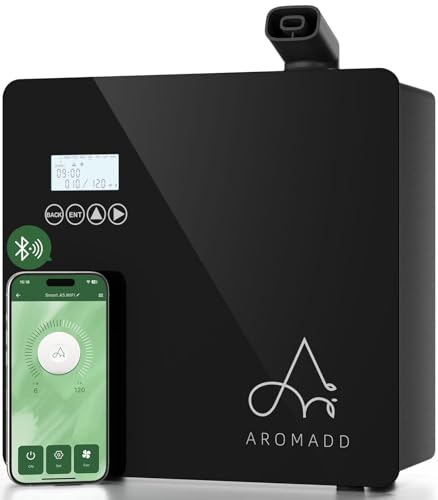
AROMADD AROMADD 3500 Sq.Ft Smart Scent Diffuser – HVAC System
- Versatile Installation Options: Standalone or wall-mounted design
- Wide Coverage Area: Suitable for large spaces up to 3500 sq ft
- Seamless HVAC Integration: Compatible with new and existing systems
As an affiliate, we earn on qualifying purchases.
As an affiliate, we earn on qualifying purchases.

Pheromones Perfumes for Women, Long Lasting Roll on Perfume Oil, Pheromone Perfume for Confidence-Boosting, Enhances Attraction for Dating & Travel & Office Everyday Use(0.34 Fl Oz (Pack of 1))
- Unique Floral and Fruity Scent: Multi-layered, captivating aroma
- Natural Pheromone Infusion: Enhances innate charm and allure
- Long-Lasting Fragrance: All-day captivating scent
As an affiliate, we earn on qualifying purchases.
As an affiliate, we earn on qualifying purchases.