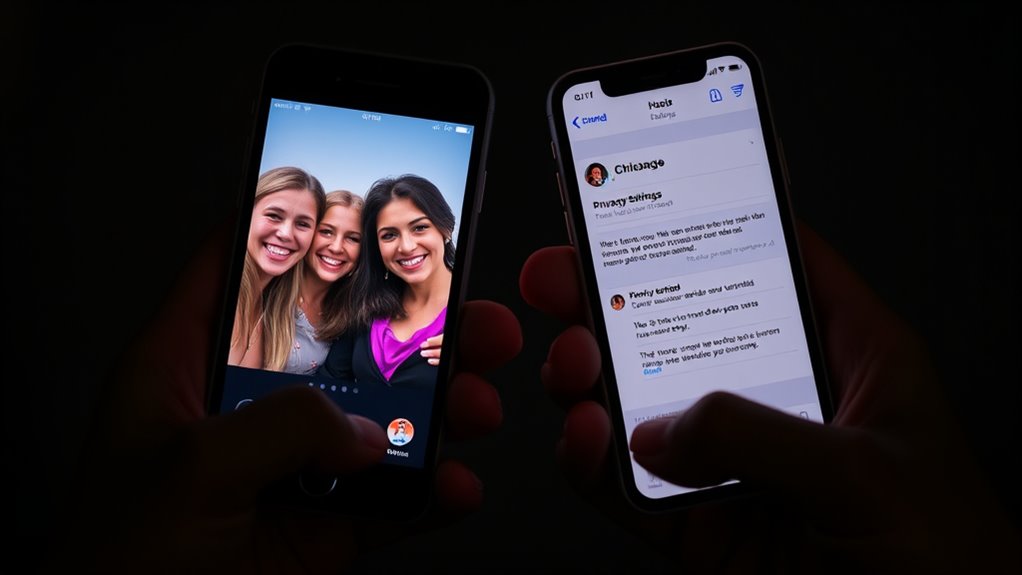

In digital dating, setting clear boundaries and seeking ongoing consent are essential for a safe and respectful connection. Respect your partner’s comfort levels by establishing what’s okay to share and when, and remember that consent isn’t a one-time thing — check in regularly to guarantee both of you feel comfortable. Practice transparency, respect privacy, and communicate openly. Continuing further will help you understand how to create a healthy, trusting online relationship.
Key Takeaways
- Establish and communicate clear boundaries to create a safe and respectful online dating environment.
- Prioritize mutual consent and regularly check in to ensure ongoing comfort and agreement.
- Respect privacy, avoid pressuring partners to share more than they’re comfortable with, and use privacy settings wisely.
- Practice mindful digital communication, including tone, timing, and respecting hesitations or pauses.
- Build trust by being transparent, respectful, and attentive to each other’s limits and boundaries throughout the relationship.

In digital dating, establishing clear boundaries and obtaining mutual consent are essential for creating a safe and respectful connection. When you’re steering through online interactions, it’s important to recognize that privacy concerns are at the forefront. You should feel empowered to set limits on what you’re comfortable sharing and when to share it. Respecting your own privacy helps protect you from potential risks, and communicating these boundaries openly encourages your partner to do the same. This mutual understanding fosters trust and ensures that both of you feel secure throughout your digital interactions.
Digital etiquette plays a critical role in maintaining this respectful environment. Being mindful of how you communicate, including tone, timing, and frequency of messages, demonstrates consideration for each other’s boundaries. Avoid sending unwanted messages or pressing for responses if your partner seems hesitant. Recognize that everyone has different comfort levels, and respecting those differences is a key aspect of digital etiquette. It’s also wise to be transparent about your intentions early on, so there’s no confusion or misinterpretation. Clear communication about what you’re both looking for helps prevent misunderstandings and ensures that consent remains ongoing.
Being mindful of tone, timing, and clarity fosters respectful, ongoing digital consent and understanding.
Consent in digital dating isn’t just a one-time agreement; it’s an ongoing process. Even after initial boundaries are set, check in regularly to confirm that your partner still feels comfortable with the pace and nature of your interactions. If they express hesitation or ask to slow down or stop, respect their wishes immediately. This reassures your partner that their comfort is your priority and that you value their autonomy. Remember, consent isn’t just about agreeing to meet up or share personal details—it’s about continuously maintaining mutual respect throughout your digital relationship.
Additionally, be aware of the ways technology itself can impact privacy concerns. You might want to contemplate using privacy tools or settings that limit who can see your information or contact you. Sharing location data or personal images should always be consensual and done with caution. Never pressure someone into revealing more than they’re willing to share, and be mindful of your own boundaries as well. Practicing good digital etiquette by being respectful, transparent, and attentive to privacy concerns not only builds trust but also sets a healthy foundation for your relationship to grow.
privacy settings app for digital dating
As an affiliate, we earn on qualifying purchases.
As an affiliate, we earn on qualifying purchases.
Frequently Asked Questions
How Do I Recognize if My Digital Partner Respects My Boundaries?
You can tell your digital partner respects your boundaries if they follow good digital etiquette and honor your privacy expectations. They’ll listen when you set limits, avoid pushing for more than you’re comfortable with, and communicate openly. Respectful partners won’t pressure you into sharing details or engaging in activities you’re not ready for. If they prioritize your comfort and consistently show understanding, you can trust they value and respect your boundaries.
What Are Some Signs of Consent in Online Interactions?
Imagine a digital handshake—when your partner sends clear, respectful messages that match your comfort level, they’re showing consent. Signs include prompt responses, affirming language, and respecting your pace. Good cyber etiquette means they avoid pressure, listen actively, and honor your boundaries. Respectful communication creates a safe space, showing they value your feelings and are genuinely interested in mutual trust. Look for these cues to guarantee genuine consent online.
How Can I Establish Boundaries Without Offending My Partner?
You can establish boundaries without offending your partner by openly communicating your needs and emphasizing trust building. Share your feelings honestly and listen to theirs, showing emotional safety and mutual respect. Use “I” statements to express what’s comfortable for you, and reassure them that boundaries are about creating a healthy connection. This approach fosters understanding, reduces misunderstandings, and strengthens your relationship without causing offense.
What Steps Should I Take if My Boundaries Are Ignored?
If your boundaries are ignored, you should address it directly and calmly. Reinforce your digital etiquette and emotional boundaries by clearly expressing how their actions affect you. If they continue to disregard your limits, consider taking a break from digital communication to prioritize your well-being. Remember, setting and respecting boundaries is essential for healthy digital interactions, and your feelings deserve acknowledgment and respect at all times.
How Do Digital Boundaries Differ From In-Person Boundaries?
Picture a fragile digital fence, where your privacy concerns shape your boundaries. Unlike in-person limits, digital boundaries focus on controlling your online space—like who sees your messages or shares your photos—protecting your emotional safety. You need to be clear about your comfort levels with sharing personal info and setting time limits for interactions. Digital boundaries are fluid but essential; they ensure your online experience remains respectful and secure.

Guiding Teens Through Digital Dilemmas: Clinical Pathways for Healing, Prevention, and Connection
As an affiliate, we earn on qualifying purchases.
As an affiliate, we earn on qualifying purchases.
Conclusion
Remember, setting clear boundaries and obtaining consent are vital in digital dating. Did you know that 70% of online daters feel uncomfortable when their boundaries aren’t respected? By openly communicating your limits and listening to your partner’s, you create a safe space for both of you. Prioritize consent at every step to build trust and guarantee a positive experience. Your respect and honesty can make all the difference in fostering meaningful connections.

Digital Communication Etiquette – A Short Read Guide for Online Courtesy and Manners: From Email Etiquette to Video Conferencing, Social Media Professionalism … (Workplace Communication Short Reads)
As an affiliate, we earn on qualifying purchases.
As an affiliate, we earn on qualifying purchases.

SeQR Car Messaging Tag | Private Messaging Tags for Vehicle Emergency Communication | Custom QR Code Sticker for Car, Magnet, Decal, No Battery, No Fee
[PROTECT YOUR CAR] With real-time scan alerts and messaging, QR smart tags help parking attendants, good samaritans, or…
As an affiliate, we earn on qualifying purchases.
As an affiliate, we earn on qualifying purchases.