
TL;DR

Get gifts for the two of you delivered free with Prime
- Fast, free delivery on millions of items
- Prime Video, Amazon Music and more included
- Member-only deals all year
Interest in Scandinavian design is surging as homeowners seek calmer, more comfortable living spaces. Experts say its minimalist aesthetic and natural materials promote well-being, though the trend’s full impact is still emerging.
Recent data indicates a significant increase in online searches and media coverage related to Scandinavian design, highlighting its rising popularity among homeowners seeking calmer, more comfortable living spaces. Experts confirm that this trend is influencing interior design choices across various markets, driven by a desire for minimalism and natural aesthetics that promote well-being.
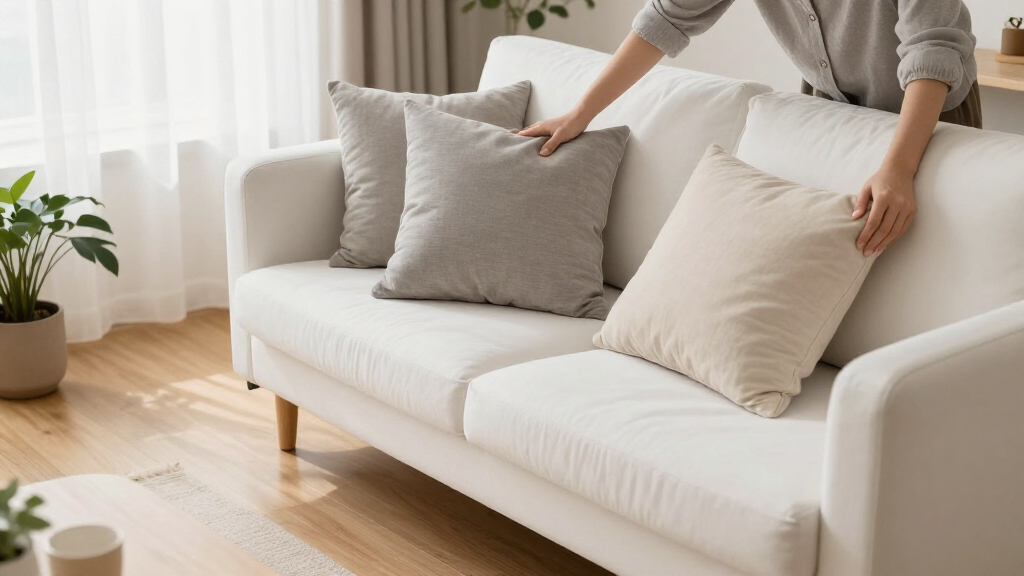
Scandinavian design, characterized by clean lines, functional forms, and natural materials, has gained notable traction in interior decorating. Industry analysts report that this style’s emphasis on simplicity and light-filled spaces aligns with a broader societal shift towards mental wellness and stress reduction. While exact figures are unavailable, search trends suggest a sharp uptick in interest over recent months, with consumers increasingly prioritizing home environments that foster tranquility.
Design professionals note that many clients are opting for neutral color palettes, uncluttered layouts, and sustainable materials like wood and wool. Retailers and furniture brands are responding by expanding collections that embody these principles, indicating a commercial shift towards this aesthetic. However, it remains uncertain whether this trend is a temporary fad or a lasting change in interior design preferences.
The growing popularity of Scandinavian design reflects a societal desire for calmer, more functional living spaces that support mental health. As people spend more time at home, especially following recent global events, creating environments that reduce stress has become a priority. The minimalist approach and natural materials associated with this style are believed to foster feelings of tranquility, order, and comfort, which could have positive effects on overall well-being.
Furthermore, this trend influences market offerings, encouraging manufacturers and designers to prioritize sustainability and simplicity. If sustained, the shift could redefine residential interior standards, making calm, natural aesthetics more mainstream and accessible to a broad audience.
As an affiliate, we earn on qualifying purchases.
Emerging Interest in Minimalist and Natural Home Designs
The interest in Scandinavian design is part of a broader movement toward minimalism and eco-friendly living. Historically, Scandinavian interiors have been associated with functionality and understated elegance, but recent societal shifts toward mental health awareness and environmental consciousness have amplified their appeal. Although the trend’s recent spike is clear from search data, it is still uncertain whether this is a temporary surge or the beginning of a long-term shift.
Previous interior trends have ebbed and flowed, often driven by celebrity influence or seasonal design cycles. The current interest appears to be rooted in a deeper cultural shift toward simplicity and sustainability, though definitive data on its longevity remains unavailable.
As an affiliate, we earn on qualifying purchases.
Longevity and Market Impact of the Trend
It is not yet clear whether the rising interest in Scandinavian design will sustain long-term market momentum or fade as a passing trend. Experts caution that the current spike might be influenced by seasonal or social factors, and definitive data on consumer behavior over time is lacking. Additionally, how this trend will influence broader interior design standards remains to be seen.
neutral color palette home accessories
As an affiliate, we earn on qualifying purchases.
As an affiliate, we earn on qualifying purchases.
Monitoring Future Design Trends and Consumer Preferences
Design industry analysts expect ongoing monitoring of search trends, sales data, and consumer feedback to determine if Scandinavian design maintains its popularity. Future developments may include increased adoption in new markets, innovations in sustainable materials, and shifts in interior decorating norms. Experts recommend watching industry reports and consumer surveys over the coming months for clearer insights.
As an affiliate, we earn on qualifying purchases.
Key Questions
What are the main features of Scandinavian design?
Scandinavian design features minimalist aesthetics, natural materials like wood and wool, neutral color palettes, and functional, uncluttered layouts aimed at creating calm, light-filled spaces.
Why is interest in Scandinavian design increasing now?
Search trends and media coverage suggest that more homeowners are seeking environments that promote mental well-being, especially as people spend more time at home. The style’s emphasis on simplicity and natural elements aligns with broader societal shifts toward health and sustainability.
Is this a temporary trend or a lasting change?
It remains uncertain whether the current spike in interest will lead to a long-term shift in interior design. Experts note that ongoing analysis of market data and consumer preferences is needed to determine its durability.
How can I incorporate Scandinavian design into my home?
Focus on using neutral colors, natural materials, and simple, functional furniture. Decluttering and maximizing natural light can also help achieve this aesthetic.
What are the benefits of Scandinavian interior design?
This style promotes calmness, reduces stress, and supports mental clarity by creating uncluttered, natural, and functional spaces.
Source: rss
Halloween Picks
halloween
As an affiliate, we earn on qualifying purchases.